
Categories
Spine Specialist

Why Your Back Pain Won’t Go Away | Back Pain Specialist San Antonio, TX

Back pain is one of the most common reasons people seek medical care, yet many continue to live with discomfort for months or even years. While occasional soreness after physical activity is often temporary, persistent or worsening pain may signal an underlying spinal condition that requires expert evaluation. If your pain is interfering with work, sleep, exercise, or everyday activities, it may be time to consult a Back Pain Specialist in San Antonio, TX.

At Brain and Spine Institute San Antonio, Texas, Dr. Osama Ahmed, a board-certified spine specialist, provides comprehensive evaluations and personalized treatment plans for patients experiencing acute, chronic, and lower back pain. Whether your symptoms are mild or severe, early diagnosis can help prevent complications and improve your quality of life.

Why Does Back Pain Keep Coming Back?

Many people assume back pain will disappear with rest or over-the-counter medications. While this may be true for muscle strains, recurring pain often indicates an underlying spinal problem that needs medical attention.

Common causes of persistent back pain include:

  • Herniated or bulging discs
  • Degenerative disc disease
  • Spinal stenosis
  • Sciatica
  • Arthritis of the spine
  • Spondylolisthesis
  • Compression fractures
  • Poor posture and repetitive strain injuries
  • Spinal instability
  • Sports or workplace injuries

Without proper treatment, these conditions may worsen over time, leading to chronic pain, reduced mobility, and nerve damage.

When Should You See a Back Pain Specialist?

Knowing when to seek specialized care is essential. You should schedule an appointment if:

  • Your back pain lasts longer than four to six weeks.
  • Pain keeps returning despite home treatment.
  • You experience numbness, tingling, or weakness in your legs.
  • Walking, standing, or sitting becomes increasingly difficult.
  • Pain wakes you during the night.
  • You have pain following a fall, accident, or sports injury.
  • Your symptoms interfere with work or daily activities.
  • Conservative treatments have failed to provide relief.

A Back Pain Specialist can identify the underlying cause of your symptoms and recommend the most effective treatment before the condition progresses.

Signs Your Back Pain May Be More Serious

Certain symptoms should never be ignored because they could indicate spinal cord or nerve compression.

Seek immediate medical evaluation if you experience:

  • Loss of bladder or bowel control
  • Progressive leg weakness
  • Severe numbness around the groin
  • Sudden inability to walk normally
  • High fever accompanied by back pain
  • Unexplained weight loss with persistent pain
  • Severe pain after trauma

Prompt diagnosis can help prevent permanent neurological damage and improve long-term outcomes.

Understanding Chronic Back Pain

Pain lasting longer than 12 weeks is generally considered chronic. A Chronic Back Pain Specialist in San Antonio, TX focuses on identifying the root cause rather than simply masking symptoms with medication.

Common reasons chronic pain develops include:

  • Untreated spinal injuries
  • Degenerative spinal conditions
  • Herniated discs
  • Facet joint arthritis
  • Spinal instability
  • Failed previous back surgery
  • Nerve compression

Because every patient is different, treatment should always be personalized based on symptoms, medical history, lifestyle, and diagnostic imaging.

Lower Back Pain: The Most Common Spine Problem

The lower back supports much of your body’s weight, making it particularly vulnerable to injury and degeneration. A Lower Back Pain Doctor in San Antonio, TX can evaluate conditions affecting the lumbar spine before they become disabling.

Symptoms may include:

  • Pain while standing or walking
  • Difficulty bending or lifting
  • Pain radiating into the buttocks or legs
  • Muscle spasms
  • Morning stiffness
  • Burning or shooting pain
  • Weakness in one or both legs

Proper diagnosis is the first step toward effective treatment.

How a Back Pain Specialist Diagnoses the Problem

Accurate diagnosis is essential because many spinal conditions produce similar symptoms.

Your evaluation may include:

Medical History

Your physician will review:

  • When your pain started
  • Injury history
  • Previous treatments
  • Pain severity
  • Daily activities
  • Family medical history

Physical Examination

The examination assesses:

  • Muscle strength
  • Reflexes
  • Range of motion
  • Walking pattern
  • Spine alignment
  • Nerve function

Advanced Imaging

Depending on your condition, imaging studies may include:

  • Digital X-rays
  • MRI
  • CT Scan
  • Bone Scan
  • EMG/Nerve Conduction Studies

These tests help determine the exact source of your pain and guide treatment recommendations.

Non-Surgical Treatments for Back Pain

Fortunately, most patients improve without surgery. A comprehensive treatment plan may include:

Physical Therapy

Customized exercises improve flexibility, strengthen core muscles, and reduce pressure on the spine.

Medications

Depending on your condition, treatment may include:

  • Anti-inflammatory medications
  • Muscle relaxants
  • Nerve pain medications
  • Short-term pain relief when appropriate

Epidural Steroid Injections

Image-guided injections can reduce inflammation around irritated nerves and provide significant pain relief.

Lifestyle Modifications

Simple changes often make a significant difference:

  • Weight management
  • Ergonomic improvements
  • Regular stretching
  • Better posture
  • Low-impact exercise
  • Smoking cessation

When Is Spine Surgery Necessary?

Surgery is generally considered only after conservative treatments have not relieved symptoms or when significant nerve compression is present.

You may benefit from surgery if you have:

  • Progressive neurological weakness
  • Severe spinal stenosis
  • Large herniated discs
  • Spinal instability
  • Compression fractures
  • Persistent pain affecting daily life

Modern spine surgery emphasizes minimally invasive techniques whenever appropriate, helping reduce pain, shorten recovery, and minimize hospital stays.

Why Choose Dr. Osama Ahmed?

Choosing the right spine specialist is one of the most important decisions for your long-term health.

Patients trust Dr. Osama Ahmed because he offers:

  • Comprehensive spine evaluations
  • Evidence-based treatment recommendations
  • Personalized care plans
  • Advanced diagnostic technology
  • Minimally invasive surgical expertise when needed
  • Compassionate patient-centered care

At Brain and Spine Institute San Antonio, Texas, every patient receives individualized treatment designed to relieve pain, restore mobility, and improve overall quality of life.

Tips to Prevent Back Pain

Although not every spinal condition can be prevented, healthy habits reduce your risk of injury.

Helpful strategies include:

  • Maintain good posture
  • Exercise regularly
  • Strengthen your core muscles
  • Lift heavy objects correctly
  • Avoid prolonged sitting
  • Sleep on a supportive mattress
  • Maintain a healthy weight
  • Stretch before physical activity

These habits help protect your spine and reduce future episodes of pain.

Take the First Step Toward Lasting Back Pain Relief

Living with persistent back pain isn’t something you have to accept. Whether you’re experiencing recurring discomfort, chronic spinal pain, or symptoms affecting your lower back and legs, early evaluation can make a significant difference in your recovery.

Dr. Osama Ahmed at the Brain and Spine Institute in San Antonio, Texas, provides expert diagnosis and personalized treatment for a wide range of spinal conditions. From advanced non-surgical therapies to minimally invasive spine procedures when appropriate, the goal is to help you regain mobility and return to the activities you enjoy.

Schedule your consultation today by calling (210) 625-4733 to discuss your symptoms and learn about the treatment options that are right for you.

Frequently Asked Questions

How long should I wait before seeing a back pain specialist?

If your pain lasts longer than four to six weeks, repeatedly returns, or worsens despite home care, schedule an evaluation with a Back Pain Specialist.

What causes chronic back pain?

Common causes include degenerative disc disease, arthritis, herniated discs, spinal stenosis, nerve compression, spinal instability, and previous injuries.

Will I need surgery?

Most patients improve with non-surgical treatments. Surgery is recommended only when conservative care fails, or significant neurological symptoms are present.

Can lower back pain affect my legs?

Yes. Compression of spinal nerves may cause sciatica, numbness, tingling, weakness, or pain radiating into the hips and legs.

How is back pain diagnosed?

Diagnosis typically involves a physical examination, medical history, and imaging studies such as MRI, CT scans, or X-rays.

Categories
Neuro Surgeon Spine Specialist

The Complete Guide to Choosing a Board Certified Neurosurgeon in Texas

Choosing a Board Certified Neurosurgeon in Texas is one of the most important decisions you can make when facing a brain, spine, or neurological condition. The right specialist can make a significant difference in the accuracy of your diagnosis, treatment options, and overall recovery. Whether you’re looking for a Brain Surgery Specialist Dripping Springs, TX, a Board Certified Neurosurgeon Kyle, a Board Certified Neurosurgeon Buda, a Neurologist McAllen, or an experienced Neurosurgeon Kenedy, receiving expert care from a highly qualified physician is essential for achieving the best possible outcome.

At Brain and Spine Institute in San Antonio, Texas, Dr. Osama Ahmed, a board-certified brain tumor surgeon and neurosurgeon, is committed to providing advanced neurological and neurosurgical care using the latest diagnostic tools and minimally invasive techniques whenever possible. His patient-centered approach ensures that every individual receives a personalized treatment plan designed to achieve the best possible outcomes.

Why Choosing the Right Neurosurgeon or Neurologist Matters

The brain, spinal cord, and nervous system control nearly every function of the human body. Even seemingly minor symptoms such as headaches, numbness, dizziness, or back pain may indicate a neurological condition requiring specialized evaluation.

Choosing an experienced board-certified specialist ensures:

  • Accurate diagnosis
  • Advanced treatment options
  • Personalized care plans
  • Reduced surgical risks
  • Better recovery outcomes
  • Long-term neurological health

Board certification demonstrates that a physician has undergone rigorous education, specialized training, and continuous professional development in neurosurgery or neurology.

Understanding the Difference Between a Neurologist and a Neurosurgeon

Many patients are unsure whether they need a neurologist or a neurosurgeon.

Neurologist

A neurologist diagnoses and treats disorders affecting the brain, spinal cord, nerves, and muscles using non-surgical methods. Common conditions include:

  • Migraines
  • Epilepsy
  • Stroke
  • Parkinson’s disease
  • Multiple sclerosis
  • Peripheral neuropathy
  • Memory disorders

If surgery becomes necessary, your neurologist may refer you to a neurosurgeon.

Neurosurgeon

A neurosurgeon specializes in both surgical and non-surgical treatment of conditions involving the brain and spine, including:

  • Brain tumors
  • Spinal tumors
  • Herniated discs
  • Brain aneurysms
  • Traumatic brain injuries
  • Hydrocephalus
  • Chiari malformations
  • Spinal stenosis
  • Degenerative spine disease

A board-certified neurosurgeon also manages many conditions without surgery whenever conservative treatment is appropriate.

Brain Surgery Specialist Dripping Springs, TX

Patients searching for a Brain Surgery Specialist Dripping Springs, TX deserve access to advanced expertise and compassionate care. Brain surgery requires extensive training, precision, and experience.

Dr. Osama Ahmed evaluates patients with conditions such as:

  • Brain tumors
  • Pituitary tumors
  • Skull base tumors
  • Brain cysts
  • Hydrocephalus
  • Traumatic brain injuries
  • Brain hemorrhage

Every patient receives a comprehensive neurological evaluation, advanced imaging review, and a customized treatment plan. Whenever possible, minimally invasive surgical techniques are considered to reduce recovery time and improve outcomes.

Board-Certified Neurosurgeon Kyle

If you’re looking for a Board Certified Neurosurgeon Kyle, experience and credentials should be top priorities.

Board-certified neurosurgeons manage complex spine and brain disorders using evidence-based treatments.

Common reasons patients seek neurosurgical care include:

  • Chronic neck pain
  • Persistent back pain
  • Herniated discs
  • Sciatica
  • Brain tumors
  • Spinal tumors
  • Compression fractures
  • Spinal stenosis

Dr. Osama Ahmed believes in educating patients about every available treatment option before recommending surgery. Many conditions can be managed with conservative therapies, while others benefit from advanced minimally invasive procedures.

Board Certified Neurosurgeon Buda

Residents searching for a Board Certified Neurosurgeon Buda should seek a physician who combines surgical expertise with compassionate patient care.

Dr. Ahmed provides comprehensive evaluations for patients experiencing symptoms such as:

  • Weakness
  • Numbness
  • Tingling
  • Balance problems
  • Chronic headaches
  • Neck stiffness
  • Loss of coordination
  • Persistent spinal pain

Using advanced imaging and diagnostic testing, he identifies the underlying cause and recommends the most appropriate treatment strategy.

Neurologist McAllen

Many neurological disorders require expert medical evaluation before surgery is even considered. Patients searching for a neurologist in McAllen often experience symptoms including:

  • Frequent headaches
  • Memory loss
  • Seizures
  • Tremors
  • Muscle weakness
  • Dizziness
  • Vision problems
  • Difficulty walking

Prompt neurological assessment can help diagnose serious conditions early, improving treatment success and quality of life.

If surgery becomes necessary, Dr. Osama Ahmed collaborates closely with referring physicians to ensure seamless continuity of care.

Neurosurgeon Kenedy

Patients searching for an experienced Neurosurgeon in Kenedy benefit from specialized care for both routine and complex neurological conditions.

Dr. Ahmed evaluates and treats:

  • Brain tumors
  • Spine disorders
  • Degenerative disc disease
  • Cervical stenosis
  • Lumbar stenosis
  • Spinal fractures
  • Brain injuries
  • Peripheral nerve disorders

Every treatment plan is developed with the patient’s goals, lifestyle, and long-term health in mind.

Conditions Commonly Treated

Brain and Spine Institute San Antonio, Texas provides expert care for numerous neurological conditions, including:

  • Brain tumors
  • Acoustic neuroma
  • Pituitary tumors
  • Meningioma
  • Glioma
  • Spinal tumors
  • Degenerative disc disease
  • Herniated discs
  • Spinal stenosis
  • Sciatica
  • Trigeminal neuralgia
  • Hydrocephalus
  • Chiari malformation
  • Brain aneurysms
  • Traumatic brain injuries
  • Spine trauma

What Makes Dr. Osama Ahmed Different?

Choosing the right neurosurgeon involves more than credentials alone.

Patients trust Dr. Osama Ahmed because of his commitment to:

  • Board-certified expertise
  • Personalized treatment plans
  • Advanced surgical technology
  • Minimally invasive techniques
  • Compassionate patient care
  • Comprehensive evaluations
  • Collaborative decision-making
  • Excellent communication throughout treatment

His focus is always on delivering the safest and most effective treatment tailored to each patient’s unique condition.

When Should You See a Neurosurgeon?

Seek immediate medical evaluation if you experience:

  • Persistent severe headaches
  • Sudden weakness
  • Loss of coordination
  • Difficulty walking
  • Seizures
  • Vision changes
  • Progressive numbness
  • Chronic neck or back pain
  • Loss of bladder or bowel control
  • Symptoms after a head injury

Early diagnosis often leads to more treatment options and better outcomes.

Why Patients Choose Brain and Spine Institute San Antonio, Texas

Patients throughout Texas choose Brain and Spine Institute San Antonio, Texas because they receive comprehensive neurological and neurosurgical care from an experienced board-certified specialist.

The practice is dedicated to:

  • Accurate diagnosis
  • Evidence-based treatments
  • Patient education
  • Advanced technology
  • Individualized care
  • Compassionate support from consultation through recovery

Whether you require neurological evaluation, brain tumor treatment, spine surgery, or long-term follow-up care, the team is committed to helping you achieve the best possible outcome.

Frequently Asked Questions

How do I know if I need a neurologist or a neurosurgeon?

A neurologist primarily treats neurological conditions without surgery, while a neurosurgeon can provide both surgical and non-surgical treatment for brain and spine disorders.

Does every brain tumor require surgery?

No. Treatment depends on the tumor’s size, location, growth rate, and symptoms. Some tumors are monitored, while others require surgery or additional therapies.

What does board certification mean?

Board certification indicates that a physician has completed specialized training, passed rigorous examinations, and maintains ongoing professional education in their specialty.

Can minimally invasive surgery reduce recovery time?

Yes. Many minimally invasive neurosurgical procedures involve smaller incisions, less tissue disruption, reduced pain, and faster recovery when appropriate for the condition.

What symptoms should never be ignored?

Persistent headaches, seizures, weakness, numbness, difficulty speaking, vision changes, loss of balance, and severe back pain with leg weakness should always be evaluated promptly.

Schedule Your Consultation Today

If you’re looking for a Brain Surgery Specialist in Dripping Springs, TX, a Board Certified Neurosurgeon in Kyle or Buda, a Neurologist in McAllen, or an experienced Neurosurgeon in Kenedy, trust the expertise of Dr. Osama Ahmed at Brain and Spine Institute San Antonio, Texas.

Whether you need a comprehensive neurological evaluation, a second opinion, or advanced treatment for a brain or spine condition, our team is here to help.

Call Brain and Spine Institute San Antonio, Texas today at (210) 625-4733 to schedule your consultation with Dr. Osama Ahmed and take the first step toward expert neurological care.


Categories
Neuro Surgeon Spine Specialist

Is Brain Surgery Always Necessary? Understanding Your Treatment Options

When people hear the words “brain surgery,” they often imagine that an operation is the only solution to a neurological condition. However, this is not always the case. A Brain Surgeon in Austin, TX, carefully evaluates every patient before recommending surgery, and many neurological disorders can initially be managed with medication, rehabilitation, lifestyle changes, or minimally invasive procedures. Understanding your treatment options can help you make informed decisions and reduce anxiety if you or a loved one is facing a neurological diagnosis.

At Brain and Spine Institute in San Antonio, Texas, the focus is on providing personalized care that prioritizes patient safety and the most appropriate treatment for each individual. Surgery is recommended only when its benefits clearly outweigh the risks and when non-surgical options are unlikely to provide effective results.

Understanding the Role of a Brain Surgeon

A brain surgeon, also known as a neurosurgeon, specializes in diagnosing and treating disorders affecting the brain, spine, and nervous system. While surgery is an important part of their expertise, it is only one aspect of comprehensive neurological care.

A Neurosurgeon Austin, TX evaluates:

  • Brain tumors
  • Brain aneurysms
  • Traumatic brain injuries
  • Hydrocephalus
  • Epilepsy
  • Trigeminal neuralgia
  • Chiari malformations
  • Pituitary tumors
  • Stroke-related complications
  • Certain spinal disorders affecting the nervous system

The primary goal is always to preserve neurological function while choosing the safest and most effective treatment.

Is Brain Surgery Always Required?

The simple answer is no. Many neurological conditions can be managed without surgery, especially when diagnosed early. Treatment depends on factors such as:

  • The specific diagnosis
  • Severity of symptoms
  • Size and location of the condition
  • Patient’s age and overall health
  • Risk of progression
  • Response to previous treatments

A Brain specialist in Austin, TX, carefully reviews imaging studies, neurological examinations, and medical history before recommending the next steps.

Conditions That May Not Require Brain Surgery

Several neurological disorders can often be treated conservatively.

Migraines and Chronic Headaches

Structural brain problems do not cause many headaches and usually respond well to medications, stress management, and lifestyle modifications.

Small Brain Tumors

Some slow-growing tumors may be monitored through regular MRI scans rather than immediately removed.

Mild Hydrocephalus

Certain patients may benefit from observation before surgical intervention becomes necessary.

Epilepsy

Medication successfully controls seizures for many individuals, eliminating the need for surgery.

Trigeminal Neuralgia

Medications are typically the first line of treatment before surgical procedures are considered.

When Brain Surgery Becomes the Best Option

There are situations where surgery offers the greatest chance of recovery or of preventing serious complications.

Brain Tumors

Surgery may be recommended to:

  • Remove the tumor
  • Relieve pressure inside the skull
  • Obtain tissue for diagnosis
  • Improve neurological function

Brain Aneurysms

Untreated aneurysms can rupture and cause life-threatening bleeding. Surgery or minimally invasive procedures may prevent this outcome.

Traumatic Brain Injury

Emergency surgery may be needed to remove blood clots or reduce dangerous pressure on the brain.

Hydrocephalus

When excess cerebrospinal fluid builds up, surgical placement of a shunt or other procedures may restore normal fluid flow.

Drug-Resistant Epilepsy

If medications fail to control seizures, surgery may significantly improve quality of life.

Non-Surgical Treatment Options

Before recommending surgery, physicians often explore conservative therapies whenever appropriate.

Medication Management

Many neurological conditions improve with prescription medications designed to:

  • Control seizures
  • Reduce inflammation
  • Relieve pain
  • Prevent migraines
  • Manage muscle spasms

Physical Therapy

Neurological rehabilitation can improve:

  • Balance
  • Coordination
  • Muscle strength
  • Mobility
  • Daily functioning

Occupational Therapy

Patients recovering from neurological illness often benefit from learning strategies that restore independence.

Speech Therapy

Speech-language specialists help patients experiencing communication or swallowing difficulties.

Lifestyle Modifications

Healthy habits can significantly improve neurological health.

Examples include:

  • Regular exercise
  • Nutritious diet
  • Blood pressure control
  • Diabetes management
  • Smoking cessation
  • Stress reduction
  • Quality sleep

What Happens During Your Evaluation?

A Board-certified brain surgeon in Austin begins with a thorough assessment before discussing any treatment options.

The evaluation typically includes:

Medical History

Your physician reviews:

  • Current symptoms
  • Previous illnesses
  • Family history
  • Current medications

Neurological Examination

Testing evaluates:

  • Reflexes
  • Muscle strength
  • Sensation
  • Vision
  • Balance
  • Coordination
  • Cognitive function

Diagnostic Imaging

Advanced imaging helps identify abnormalities.

Common tests include:

  • MRI
  • CT scan
  • Brain angiography
  • Functional MRI
  • PET scan when necessary

These tools allow specialists to create a personalized treatment plan.

Advances in Modern Brain Surgery

Today’s brain surgery is significantly safer than many people realize.

Technological advances include:

Minimally Invasive Surgery

Smaller incisions often mean:

  • Less pain
  • Reduced bleeding
  • Faster recovery
  • Lower infection risk

Image-Guided Navigation

Computer-assisted navigation improves surgical precision.

Intraoperative MRI

Real-time imaging helps surgeons verify tumor removal during the procedure.

Microsurgical Techniques

Powerful microscopes allow surgeons to work with exceptional precision while protecting healthy brain tissue.

Questions to Ask Before Choosing Surgery

Patients should feel comfortable discussing every aspect of their care.

Helpful questions include:

  • Is surgery necessary?
  • What happens if I wait?
  • Are there non-surgical alternatives?
  • What are the risks?
  • What is the expected recovery time?
  • How experienced is my surgeon with this procedure?
  • What outcomes can I realistically expect?

An informed patient is better equipped to make confident healthcare decisions.

Recovery After Brain Surgery

Recovery varies depending on:

  • Type of procedure
  • Overall health
  • Age
  • Condition being treated
  • Rehabilitation needs

Recovery may involve:

  • Hospital observation
  • Physical therapy
  • Occupational therapy
  • Speech therapy
  • Follow-up imaging
  • Medication management

Most patients gradually return to normal activities under medical supervision.

Why Early Evaluation Matters

Many neurological disorders become more difficult to treat if ignored.

Seek medical attention promptly if you experience:

  • Persistent severe headaches
  • Sudden weakness
  • Vision changes
  • Difficulty speaking
  • Loss of balance
  • Seizures
  • Memory problems
  • Persistent numbness
  • Confusion
  • Loss of consciousness

Early diagnosis often leads to more treatment options and improved outcomes.

Choosing the Right Specialist

Selecting an experienced provider is an important part of your healthcare journey.

When choosing a Brain Surgeon Austin, TX, consider:

  • Board certification
  • Experience treating your condition
  • Access to advanced imaging
  • Modern surgical technology
  • Patient-centered communication
  • Comprehensive follow-up care

A multidisciplinary approach involving neurologists, rehabilitation specialists, and neurosurgeons often provides the best long-term results.

Comprehensive Neurosurgical Care

High-quality Neurosurgical care in Austin, TX goes beyond performing surgery. It includes accurate diagnosis, conservative treatment when appropriate, advanced surgical techniques when necessary, rehabilitation, and long-term follow-up.

Every patient deserves a treatment plan tailored to their specific medical condition rather than a one-size-fits-all approach.

At Brain and Spine Institute in San Antonio, Texas, patients receive individualized evaluations designed to determine whether surgery is truly the best option. The goal is always to provide safe, evidence-based care that supports the best possible neurological outcome.

If you have been diagnosed with a neurological condition or are experiencing concerning symptoms, consulting an experienced specialist can help you better understand your diagnosis and available treatment options. To schedule a consultation, contact the Brain and Spine Institute in San Antonio, Texas, at (210) 625-4733.

Frequently Asked Questions (FAQs)

  1. Is brain surgery always necessary for brain tumors?

No. Some small or slow-growing brain tumors can be monitored with regular imaging, while others may require surgery depending on their size, location, and symptoms.

  1. What does a Brain Surgeon Austin, TX treat?

A brain surgeon treats conditions such as brain tumors, aneurysms, epilepsy, traumatic brain injuries, hydrocephalus, Chiari malformations, trigeminal neuralgia, and other neurological disorders.

  1. Can medications replace brain surgery?

In many cases, yes. Certain neurological conditions respond well to medications, physical therapy, or other conservative treatments before surgery is considered.

  1. How do I know if I need a neurosurgeon in Austin, TX?

If you experience persistent headaches, seizures, weakness, numbness, vision problems, balance issues, or have been diagnosed with a neurological condition, your physician may recommend an evaluation by a neurosurgeon.

  1. Is modern brain surgery safe?

Advances in imaging, microsurgery, and minimally invasive techniques have significantly improved the safety and precision of brain surgery. Your surgeon will discuss the benefits and risks based on your specific condition.

  1. What should I expect during my first consultation?

Your appointment typically includes a review of your medical history, a neurological examination, imaging studies, and a discussion of both surgical and non-surgical treatment options.

  1. How long does recovery take after brain surgery?

Recovery depends on the type of surgery, your overall health, and the condition being treated. Some patients recover within weeks, while others may require several months and rehabilitation.

Read here for more blogs:

https://bsiofsa.com/when-is-spine-surgery-necessary-advice-from-a-spine-specialist-in-san-antonio-tx/

https://bsiofsa.com/brain-surgeon-vs-neurosurgeon-understanding-the-difference/

Categories
Neuro Surgeon Spine Specialist

Lumbar Artificial Disc Replacement vs. Spinal Fusion: Which Is Right for You?

Living with chronic lower back pain can make everyday activities difficult. Whether you’re struggling to sit comfortably, walk without discomfort, or enjoy your favorite hobbies, finding the right treatment is essential. If conservative treatments have failed, surgery may be the next step. Choosing between lumbar artificial disc replacement and spinal fusion is one of the most important decisions you’ll make.

If you’re searching for a Surgeon for lumbar artificial disc in Victoria, understanding the differences between these procedures can help you make an informed decision. At Brain and Spine Institute in San Antonio, Texas, Dr. Osama Ahmed provides advanced spine care using modern surgical techniques designed to reduce pain, restore mobility, and improve quality of life.

Understanding Degenerative Disc Disease

The discs between your vertebrae act as cushions that absorb shock and allow smooth movement. Over time, these discs can wear out due to aging, injury, or repetitive stress.

Common symptoms include:

  • Persistent lower back pain
  • Pain radiating into the legs
  • Numbness or tingling
  • Weakness in the lower extremities
  • Difficulty standing or walking for long periods
  • Reduced flexibility

When medications, physical therapy, injections, and lifestyle modifications no longer provide relief, surgery may become the best option.

What Is Lumbar Artificial Disc Replacement?

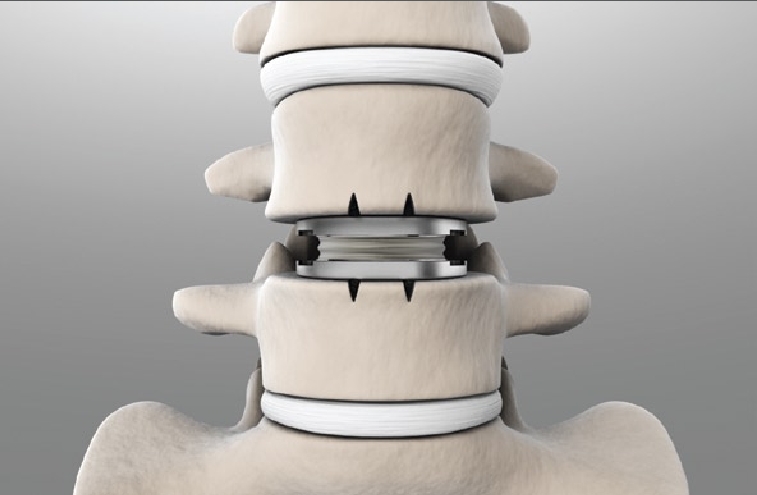
Lumbar Artificial Disc Replacement (ADR) is an advanced surgical procedure that removes a damaged spinal disc and replaces it with an artificial implant designed to mimic the function of a healthy disc.

Unlike spinal fusion, artificial disc replacement preserves movement between the vertebrae.

The artificial disc is designed to:

  • Maintain spinal flexibility
  • Reduce pain
  • Restore normal motion
  • Decrease stress on nearby discs
  • Improve long-term spinal function

Patients who qualify often experience quicker recovery and better mobility than with traditional fusion surgery.

What Is Spinal Fusion?

Spinal fusion permanently joins two or more vertebrae together using bone grafts, screws, and rods. The goal is to eliminate painful movement caused by unstable or severely damaged spinal segments. Spinal fusion has been a trusted treatment for decades and remains the preferred option for certain spinal conditions.

It is commonly recommended for:

  • Severe spinal instability
  • Spondylolisthesis
  • Significant spinal deformity
  • Multiple-level degeneration
  • Certain fractures
  • Advanced arthritis

Although effective, spinal fusion reduces flexibility in the fused section of the spine.

Lumbar Artificial Disc Replacement vs. Spinal Fusion

Motion Preservation

One of the biggest differences is movement. Artificial disc replacement preserves the natural motion of the spine, allowing patients to bend, twist, and move more naturally. Spinal fusion permanently eliminates movement at the treated level. 

Recovery Time

Many patients undergoing lumbar artificial disc replacement return to daily activities sooner than those recovering from spinal fusion.

Recovery generally depends on:

  • Overall health
  • Age
  • Physical condition
  • Surgical complexity
  • Following post-operative instructions 

Long-Term Outcomes

Artificial disc replacement may reduce the likelihood of adjacent segment disease because surrounding discs experience less stress. Fusion can sometimes place additional pressure on neighboring spinal segments, potentially leading to future degeneration.

Pain Relief

Both procedures are highly successful in reducing chronic pain when appropriately recommended.

The key is selecting the right procedure for the right patient.

Who Is a Good Candidate for Lumbar Artificial Disc Replacement?

You may be a candidate if you:

  • Have single-level degenerative disc disease
  • Experience chronic lower back pain
  • Have failed conservative treatments for at least six months
  • Have healthy facet joints
  • Do not have severe osteoporosis
  • Have no major spinal instability

An experienced Surgeon for lumbar artificial disc, Victoria, will perform imaging studies and a comprehensive evaluation before recommending surgery.

Who Is Better Suited for Spinal Fusion?

Fusion may be recommended if you have:

  • Multiple damaged discs
  • Severe spinal instability
  • Significant arthritis
  • Spinal fractures
  • Tumors affecting spinal stability
  • Severe scoliosis

Every patient’s condition is unique, making personalized treatment planning essential.

Benefits of Artificial Disc Replacement

Many patients choose artificial disc replacement because it offers several advantages.

Preserves Natural Motion

Unlike fusion, the artificial disc continues to move with your spine.

Faster Return to Activity

Many patients resume normal activities more quickly than fusion patients.

Reduced Stress on Adjacent Discs

Maintaining motion helps distribute forces more naturally throughout the spine.

Improved Flexibility

Patients often notice improved movement during everyday activities.

Long-Term Durability

Modern artificial discs are designed to provide years of reliable performance.

Benefits of Spinal Fusion

Despite newer technologies, spinal fusion remains an excellent treatment option.

Benefits include:

  • Proven long-term success
  • Excellent stability
  • Reliable pain relief
  • Effective for complex spinal disorders
  • Appropriate for multiple spinal conditions

For many patients, fusion remains the safest and most effective surgical solution.

The Importance of Choosing an Experienced Spine Surgeon

The success of either procedure depends heavily on surgeon expertise.

Dr. Osama Ahmed is committed to providing individualized treatment plans based on each patient’s diagnosis, lifestyle, and long-term goals.

At the Brain and Spine Institute in San Antonio, Texas, every patient receives:

  • Comprehensive evaluation
  • Advanced diagnostic imaging
  • Personalized surgical recommendations
  • Modern minimally invasive techniques, when appropriate
  • Compassionate post-operative care

Whether you’re considering lumbar artificial disc replacement or spinal fusion, choosing the right surgeon can significantly impact your outcome.

Advanced Care at a Spine Surgery Center San Antonio

If you’re looking for a trusted Spine surgery center in San Antonio, Brain and Spine Institute offers comprehensive spine care using state-of-the-art technology and evidence-based treatment approaches.

Services include:

  • Spine evaluations
  • Advanced imaging
  • Minimally invasive spine surgery
  • Artificial disc replacement
  • Spinal fusion
  • Herniated disc treatment
  • Sciatica treatment
  • Revision spine surgery
  • Rehabilitation planning

The goal is to help patients regain mobility while minimizing recovery time whenever possible.

What to Expect During Your Consultation

During your initial visit, Dr. Osama Ahmed will carefully review:

  • Medical history
  • Symptoms
  • MRI or CT scans
  • Previous treatments
  • Physical examination findings

After evaluating your condition, he will explain:

  • Whether surgery is necessary
  • Which procedure best fits your condition
  • Expected recovery timeline
  • Potential benefits and risks
  • Post-operative rehabilitation

Patients are encouraged to ask questions and actively participate in the decision-making process.

Recovery After Surgery

Recovery varies depending on the procedure performed.

Artificial Disc Replacement Recovery

  • Walking begins shortly after surgery
  • Earlier return to daily activities
  • Physical therapy
  • Gradual increase in activity

Spinal Fusion Recovery

  • Longer healing period
  • Activity restrictions
  • Physical therapy
  • Bone healing monitored through follow-up imaging

Following your surgeon’s instructions is essential for achieving the best possible outcome.

Why Patients Choose Brain and Spine Institute, San Antonio, Texas

Patients trust Dr. Osama Ahmed because of his commitment to delivering personalized, patient-centered spine care.

Reasons patients choose the practice include:

  • Board-certified expertise
  • Advanced surgical techniques
  • Individualized treatment plans
  • Compassionate care
  • Comprehensive spine services
  • Modern surgical technology
  • Focus on long-term recovery and quality of life

Whether you’re exploring artificial disc replacement or spinal fusion, you’ll receive expert guidance every step of the way.

Final Thoughts

Choosing between lumbar artificial disc replacement and spinal fusion is a significant decision that should be made after a thorough evaluation by an experienced spine specialist.

While artificial disc replacement offers the advantage of preserving spinal motion for eligible patients, spinal fusion remains the gold standard for treating many complex spinal conditions. The right choice depends on your diagnosis, overall health, and treatment goals.

If you’re searching for a Surgeon for lumbar artificial disc in Victoria or a trusted Spine surgery center in San Antonio, Dr. Osama Ahmed and the team at Brain and Spine Institute in San Antonio, Texas, are dedicated to helping you find the most effective solution for lasting pain relief and improved mobility.

Schedule Your Consultation Today

Don’t let chronic back pain keep you from living the life you deserve. Whether you’re considering lumbar artificial disc replacement or spinal fusion, Dr. Osama Ahmed provides expert evaluation and advanced treatment options tailored to your needs. 

Contact the Brain and Spine Institute in San Antonio, Texas, today to schedule your consultation.

Phone: (210) 625-4733

Frequently Asked Questions

  1. Is lumbar artificial disc replacement better than spinal fusion?

Neither procedure is universally better. Artificial disc replacement preserves motion, while spinal fusion provides excellent stability for more complex spinal conditions. 

  1. How long does recovery take after artificial disc replacement?

Many patients resume light daily activities within a few weeks, although complete recovery varies based on individual health and rehabilitation. 

  1. Who qualifies for artificial disc replacement?

Patients with single-level degenerative disc disease who have not improved with conservative treatment may qualify after a comprehensive evaluation. 

  1. Does spinal fusion permanently limit movement?

Only the treated spinal segment loses motion. Most patients continue to perform daily activities comfortably after recovery. 

  1. How do I know which surgery is right for me?

A detailed consultation, physical examination, and imaging studies with Dr. Osama Ahmed will determine the most appropriate treatment for your condition.