
Categories
Spine Specialist

Why Your Back Pain Won’t Go Away | Back Pain Specialist San Antonio, TX

Back pain is one of the most common reasons people seek medical care, yet many continue to live with discomfort for months or even years. While occasional soreness after physical activity is often temporary, persistent or worsening pain may signal an underlying spinal condition that requires expert evaluation. If your pain is interfering with work, sleep, exercise, or everyday activities, it may be time to consult a Back Pain Specialist in San Antonio, TX.

At Brain and Spine Institute San Antonio, Texas, Dr. Osama Ahmed, a board-certified spine specialist, provides comprehensive evaluations and personalized treatment plans for patients experiencing acute, chronic, and lower back pain. Whether your symptoms are mild or severe, early diagnosis can help prevent complications and improve your quality of life.

Why Does Back Pain Keep Coming Back?

Many people assume back pain will disappear with rest or over-the-counter medications. While this may be true for muscle strains, recurring pain often indicates an underlying spinal problem that needs medical attention.

Common causes of persistent back pain include:

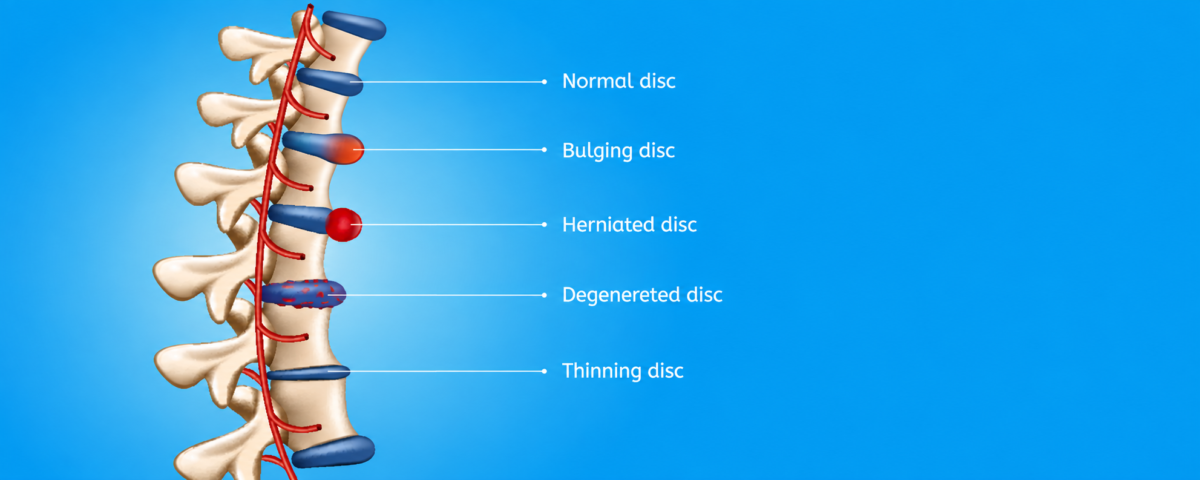
  • Herniated or bulging discs
  • Degenerative disc disease
  • Spinal stenosis
  • Sciatica
  • Arthritis of the spine
  • Spondylolisthesis
  • Compression fractures
  • Poor posture and repetitive strain injuries
  • Spinal instability
  • Sports or workplace injuries

Without proper treatment, these conditions may worsen over time, leading to chronic pain, reduced mobility, and nerve damage.

When Should You See a Back Pain Specialist?

Knowing when to seek specialized care is essential. You should schedule an appointment if:

  • Your back pain lasts longer than four to six weeks.
  • Pain keeps returning despite home treatment.
  • You experience numbness, tingling, or weakness in your legs.
  • Walking, standing, or sitting becomes increasingly difficult.
  • Pain wakes you during the night.
  • You have pain following a fall, accident, or sports injury.
  • Your symptoms interfere with work or daily activities.
  • Conservative treatments have failed to provide relief.

A Back Pain Specialist can identify the underlying cause of your symptoms and recommend the most effective treatment before the condition progresses.

Signs Your Back Pain May Be More Serious

Certain symptoms should never be ignored because they could indicate spinal cord or nerve compression.

Seek immediate medical evaluation if you experience:

  • Loss of bladder or bowel control
  • Progressive leg weakness
  • Severe numbness around the groin
  • Sudden inability to walk normally
  • High fever accompanied by back pain
  • Unexplained weight loss with persistent pain
  • Severe pain after trauma

Prompt diagnosis can help prevent permanent neurological damage and improve long-term outcomes.

Understanding Chronic Back Pain

Pain lasting longer than 12 weeks is generally considered chronic. A Chronic Back Pain Specialist in San Antonio, TX focuses on identifying the root cause rather than simply masking symptoms with medication.

Common reasons chronic pain develops include:

  • Untreated spinal injuries
  • Degenerative spinal conditions
  • Herniated discs
  • Facet joint arthritis
  • Spinal instability
  • Failed previous back surgery
  • Nerve compression

Because every patient is different, treatment should always be personalized based on symptoms, medical history, lifestyle, and diagnostic imaging.

Lower Back Pain: The Most Common Spine Problem

The lower back supports much of your body’s weight, making it particularly vulnerable to injury and degeneration. A Lower Back Pain Doctor in San Antonio, TX can evaluate conditions affecting the lumbar spine before they become disabling.

Symptoms may include:

  • Pain while standing or walking
  • Difficulty bending or lifting
  • Pain radiating into the buttocks or legs
  • Muscle spasms
  • Morning stiffness
  • Burning or shooting pain
  • Weakness in one or both legs

Proper diagnosis is the first step toward effective treatment.

How a Back Pain Specialist Diagnoses the Problem

Accurate diagnosis is essential because many spinal conditions produce similar symptoms.

Your evaluation may include:

Medical History

Your physician will review:

  • When your pain started
  • Injury history
  • Previous treatments
  • Pain severity
  • Daily activities
  • Family medical history

Physical Examination

The examination assesses:

  • Muscle strength
  • Reflexes
  • Range of motion
  • Walking pattern
  • Spine alignment
  • Nerve function

Advanced Imaging

Depending on your condition, imaging studies may include:

  • Digital X-rays
  • MRI
  • CT Scan
  • Bone Scan
  • EMG/Nerve Conduction Studies

These tests help determine the exact source of your pain and guide treatment recommendations.

Non-Surgical Treatments for Back Pain

Fortunately, most patients improve without surgery. A comprehensive treatment plan may include:

Physical Therapy

Customized exercises improve flexibility, strengthen core muscles, and reduce pressure on the spine.

Medications

Depending on your condition, treatment may include:

  • Anti-inflammatory medications
  • Muscle relaxants
  • Nerve pain medications
  • Short-term pain relief when appropriate

Epidural Steroid Injections

Image-guided injections can reduce inflammation around irritated nerves and provide significant pain relief.

Lifestyle Modifications

Simple changes often make a significant difference:

  • Weight management
  • Ergonomic improvements
  • Regular stretching
  • Better posture
  • Low-impact exercise
  • Smoking cessation

When Is Spine Surgery Necessary?

Surgery is generally considered only after conservative treatments have not relieved symptoms or when significant nerve compression is present.

You may benefit from surgery if you have:

  • Progressive neurological weakness
  • Severe spinal stenosis
  • Large herniated discs
  • Spinal instability
  • Compression fractures
  • Persistent pain affecting daily life

Modern spine surgery emphasizes minimally invasive techniques whenever appropriate, helping reduce pain, shorten recovery, and minimize hospital stays.

Why Choose Dr. Osama Ahmed?

Choosing the right spine specialist is one of the most important decisions for your long-term health.

Patients trust Dr. Osama Ahmed because he offers:

  • Comprehensive spine evaluations
  • Evidence-based treatment recommendations
  • Personalized care plans
  • Advanced diagnostic technology
  • Minimally invasive surgical expertise when needed
  • Compassionate patient-centered care

At Brain and Spine Institute San Antonio, Texas, every patient receives individualized treatment designed to relieve pain, restore mobility, and improve overall quality of life.

Tips to Prevent Back Pain

Although not every spinal condition can be prevented, healthy habits reduce your risk of injury.

Helpful strategies include:

  • Maintain good posture
  • Exercise regularly
  • Strengthen your core muscles
  • Lift heavy objects correctly
  • Avoid prolonged sitting
  • Sleep on a supportive mattress
  • Maintain a healthy weight
  • Stretch before physical activity

These habits help protect your spine and reduce future episodes of pain.

Take the First Step Toward Lasting Back Pain Relief

Living with persistent back pain isn’t something you have to accept. Whether you’re experiencing recurring discomfort, chronic spinal pain, or symptoms affecting your lower back and legs, early evaluation can make a significant difference in your recovery.

Dr. Osama Ahmed at the Brain and Spine Institute in San Antonio, Texas, provides expert diagnosis and personalized treatment for a wide range of spinal conditions. From advanced non-surgical therapies to minimally invasive spine procedures when appropriate, the goal is to help you regain mobility and return to the activities you enjoy.

Schedule your consultation today by calling (210) 625-4733 to discuss your symptoms and learn about the treatment options that are right for you.

Frequently Asked Questions

How long should I wait before seeing a back pain specialist?

If your pain lasts longer than four to six weeks, repeatedly returns, or worsens despite home care, schedule an evaluation with a Back Pain Specialist.

What causes chronic back pain?

Common causes include degenerative disc disease, arthritis, herniated discs, spinal stenosis, nerve compression, spinal instability, and previous injuries.

Will I need surgery?

Most patients improve with non-surgical treatments. Surgery is recommended only when conservative care fails, or significant neurological symptoms are present.

Can lower back pain affect my legs?

Yes. Compression of spinal nerves may cause sciatica, numbness, tingling, weakness, or pain radiating into the hips and legs.

How is back pain diagnosed?

Diagnosis typically involves a physical examination, medical history, and imaging studies such as MRI, CT scans, or X-rays.

Categories
Neuro Surgeon Spine Specialist

The Complete Guide to Choosing a Board Certified Neurosurgeon in Texas

Choosing a Board Certified Neurosurgeon in Texas is one of the most important decisions you can make when facing a brain, spine, or neurological condition. The right specialist can make a significant difference in the accuracy of your diagnosis, treatment options, and overall recovery. Whether you’re looking for a Brain Surgery Specialist Dripping Springs, TX, a Board Certified Neurosurgeon Kyle, a Board Certified Neurosurgeon Buda, a Neurologist McAllen, or an experienced Neurosurgeon Kenedy, receiving expert care from a highly qualified physician is essential for achieving the best possible outcome.

At Brain and Spine Institute in San Antonio, Texas, Dr. Osama Ahmed, a board-certified brain tumor surgeon and neurosurgeon, is committed to providing advanced neurological and neurosurgical care using the latest diagnostic tools and minimally invasive techniques whenever possible. His patient-centered approach ensures that every individual receives a personalized treatment plan designed to achieve the best possible outcomes.

Why Choosing the Right Neurosurgeon or Neurologist Matters

The brain, spinal cord, and nervous system control nearly every function of the human body. Even seemingly minor symptoms such as headaches, numbness, dizziness, or back pain may indicate a neurological condition requiring specialized evaluation.

Choosing an experienced board-certified specialist ensures:

  • Accurate diagnosis
  • Advanced treatment options
  • Personalized care plans
  • Reduced surgical risks
  • Better recovery outcomes
  • Long-term neurological health

Board certification demonstrates that a physician has undergone rigorous education, specialized training, and continuous professional development in neurosurgery or neurology.

Understanding the Difference Between a Neurologist and a Neurosurgeon

Many patients are unsure whether they need a neurologist or a neurosurgeon.

Neurologist

A neurologist diagnoses and treats disorders affecting the brain, spinal cord, nerves, and muscles using non-surgical methods. Common conditions include:

  • Migraines
  • Epilepsy
  • Stroke
  • Parkinson’s disease
  • Multiple sclerosis
  • Peripheral neuropathy
  • Memory disorders

If surgery becomes necessary, your neurologist may refer you to a neurosurgeon.

Neurosurgeon

A neurosurgeon specializes in both surgical and non-surgical treatment of conditions involving the brain and spine, including:

  • Brain tumors
  • Spinal tumors
  • Herniated discs
  • Brain aneurysms
  • Traumatic brain injuries
  • Hydrocephalus
  • Chiari malformations
  • Spinal stenosis
  • Degenerative spine disease

A board-certified neurosurgeon also manages many conditions without surgery whenever conservative treatment is appropriate.

Brain Surgery Specialist Dripping Springs, TX

Patients searching for a Brain Surgery Specialist Dripping Springs, TX deserve access to advanced expertise and compassionate care. Brain surgery requires extensive training, precision, and experience.

Dr. Osama Ahmed evaluates patients with conditions such as:

  • Brain tumors
  • Pituitary tumors
  • Skull base tumors
  • Brain cysts
  • Hydrocephalus
  • Traumatic brain injuries
  • Brain hemorrhage

Every patient receives a comprehensive neurological evaluation, advanced imaging review, and a customized treatment plan. Whenever possible, minimally invasive surgical techniques are considered to reduce recovery time and improve outcomes.

Board-Certified Neurosurgeon Kyle

If you’re looking for a Board Certified Neurosurgeon Kyle, experience and credentials should be top priorities.

Board-certified neurosurgeons manage complex spine and brain disorders using evidence-based treatments.

Common reasons patients seek neurosurgical care include:

  • Chronic neck pain
  • Persistent back pain
  • Herniated discs
  • Sciatica
  • Brain tumors
  • Spinal tumors
  • Compression fractures
  • Spinal stenosis

Dr. Osama Ahmed believes in educating patients about every available treatment option before recommending surgery. Many conditions can be managed with conservative therapies, while others benefit from advanced minimally invasive procedures.

Board Certified Neurosurgeon Buda

Residents searching for a Board Certified Neurosurgeon Buda should seek a physician who combines surgical expertise with compassionate patient care.

Dr. Ahmed provides comprehensive evaluations for patients experiencing symptoms such as:

  • Weakness
  • Numbness
  • Tingling
  • Balance problems
  • Chronic headaches
  • Neck stiffness
  • Loss of coordination
  • Persistent spinal pain

Using advanced imaging and diagnostic testing, he identifies the underlying cause and recommends the most appropriate treatment strategy.

Neurologist McAllen

Many neurological disorders require expert medical evaluation before surgery is even considered. Patients searching for a neurologist in McAllen often experience symptoms including:

  • Frequent headaches
  • Memory loss
  • Seizures
  • Tremors
  • Muscle weakness
  • Dizziness
  • Vision problems
  • Difficulty walking

Prompt neurological assessment can help diagnose serious conditions early, improving treatment success and quality of life.

If surgery becomes necessary, Dr. Osama Ahmed collaborates closely with referring physicians to ensure seamless continuity of care.

Neurosurgeon Kenedy

Patients searching for an experienced Neurosurgeon in Kenedy benefit from specialized care for both routine and complex neurological conditions.

Dr. Ahmed evaluates and treats:

  • Brain tumors
  • Spine disorders
  • Degenerative disc disease
  • Cervical stenosis
  • Lumbar stenosis
  • Spinal fractures
  • Brain injuries
  • Peripheral nerve disorders

Every treatment plan is developed with the patient’s goals, lifestyle, and long-term health in mind.

Conditions Commonly Treated

Brain and Spine Institute San Antonio, Texas provides expert care for numerous neurological conditions, including:

  • Brain tumors
  • Acoustic neuroma
  • Pituitary tumors
  • Meningioma
  • Glioma
  • Spinal tumors
  • Degenerative disc disease
  • Herniated discs
  • Spinal stenosis
  • Sciatica
  • Trigeminal neuralgia
  • Hydrocephalus
  • Chiari malformation
  • Brain aneurysms
  • Traumatic brain injuries
  • Spine trauma

What Makes Dr. Osama Ahmed Different?

Choosing the right neurosurgeon involves more than credentials alone.

Patients trust Dr. Osama Ahmed because of his commitment to:

  • Board-certified expertise
  • Personalized treatment plans
  • Advanced surgical technology
  • Minimally invasive techniques
  • Compassionate patient care
  • Comprehensive evaluations
  • Collaborative decision-making
  • Excellent communication throughout treatment

His focus is always on delivering the safest and most effective treatment tailored to each patient’s unique condition.

When Should You See a Neurosurgeon?

Seek immediate medical evaluation if you experience:

  • Persistent severe headaches
  • Sudden weakness
  • Loss of coordination
  • Difficulty walking
  • Seizures
  • Vision changes
  • Progressive numbness
  • Chronic neck or back pain
  • Loss of bladder or bowel control
  • Symptoms after a head injury

Early diagnosis often leads to more treatment options and better outcomes.

Why Patients Choose Brain and Spine Institute San Antonio, Texas

Patients throughout Texas choose Brain and Spine Institute San Antonio, Texas because they receive comprehensive neurological and neurosurgical care from an experienced board-certified specialist.

The practice is dedicated to:

  • Accurate diagnosis
  • Evidence-based treatments
  • Patient education
  • Advanced technology
  • Individualized care
  • Compassionate support from consultation through recovery

Whether you require neurological evaluation, brain tumor treatment, spine surgery, or long-term follow-up care, the team is committed to helping you achieve the best possible outcome.

Frequently Asked Questions

How do I know if I need a neurologist or a neurosurgeon?

A neurologist primarily treats neurological conditions without surgery, while a neurosurgeon can provide both surgical and non-surgical treatment for brain and spine disorders.

Does every brain tumor require surgery?

No. Treatment depends on the tumor’s size, location, growth rate, and symptoms. Some tumors are monitored, while others require surgery or additional therapies.

What does board certification mean?

Board certification indicates that a physician has completed specialized training, passed rigorous examinations, and maintains ongoing professional education in their specialty.

Can minimally invasive surgery reduce recovery time?

Yes. Many minimally invasive neurosurgical procedures involve smaller incisions, less tissue disruption, reduced pain, and faster recovery when appropriate for the condition.

What symptoms should never be ignored?

Persistent headaches, seizures, weakness, numbness, difficulty speaking, vision changes, loss of balance, and severe back pain with leg weakness should always be evaluated promptly.

Schedule Your Consultation Today

If you’re looking for a Brain Surgery Specialist in Dripping Springs, TX, a Board Certified Neurosurgeon in Kyle or Buda, a Neurologist in McAllen, or an experienced Neurosurgeon in Kenedy, trust the expertise of Dr. Osama Ahmed at Brain and Spine Institute San Antonio, Texas.

Whether you need a comprehensive neurological evaluation, a second opinion, or advanced treatment for a brain or spine condition, our team is here to help.

Call Brain and Spine Institute San Antonio, Texas today at (210) 625-4733 to schedule your consultation with Dr. Osama Ahmed and take the first step toward expert neurological care.


Categories
Neuro Surgeon Spine Specialist

Is Brain Surgery Always Necessary? Understanding Your Treatment Options

When people hear the words “brain surgery,” they often imagine that an operation is the only solution to a neurological condition. However, this is not always the case. A Brain Surgeon in Austin, TX, carefully evaluates every patient before recommending surgery, and many neurological disorders can initially be managed with medication, rehabilitation, lifestyle changes, or minimally invasive procedures. Understanding your treatment options can help you make informed decisions and reduce anxiety if you or a loved one is facing a neurological diagnosis.

At Brain and Spine Institute in San Antonio, Texas, the focus is on providing personalized care that prioritizes patient safety and the most appropriate treatment for each individual. Surgery is recommended only when its benefits clearly outweigh the risks and when non-surgical options are unlikely to provide effective results.

Understanding the Role of a Brain Surgeon

A brain surgeon, also known as a neurosurgeon, specializes in diagnosing and treating disorders affecting the brain, spine, and nervous system. While surgery is an important part of their expertise, it is only one aspect of comprehensive neurological care.

A Neurosurgeon Austin, TX evaluates:

  • Brain tumors
  • Brain aneurysms
  • Traumatic brain injuries
  • Hydrocephalus
  • Epilepsy
  • Trigeminal neuralgia
  • Chiari malformations
  • Pituitary tumors
  • Stroke-related complications
  • Certain spinal disorders affecting the nervous system

The primary goal is always to preserve neurological function while choosing the safest and most effective treatment.

Is Brain Surgery Always Required?

The simple answer is no. Many neurological conditions can be managed without surgery, especially when diagnosed early. Treatment depends on factors such as:

  • The specific diagnosis
  • Severity of symptoms
  • Size and location of the condition
  • Patient’s age and overall health
  • Risk of progression
  • Response to previous treatments

A Brain specialist in Austin, TX, carefully reviews imaging studies, neurological examinations, and medical history before recommending the next steps.

Conditions That May Not Require Brain Surgery

Several neurological disorders can often be treated conservatively.

Migraines and Chronic Headaches

Structural brain problems do not cause many headaches and usually respond well to medications, stress management, and lifestyle modifications.

Small Brain Tumors

Some slow-growing tumors may be monitored through regular MRI scans rather than immediately removed.

Mild Hydrocephalus

Certain patients may benefit from observation before surgical intervention becomes necessary.

Epilepsy

Medication successfully controls seizures for many individuals, eliminating the need for surgery.

Trigeminal Neuralgia

Medications are typically the first line of treatment before surgical procedures are considered.

When Brain Surgery Becomes the Best Option

There are situations where surgery offers the greatest chance of recovery or of preventing serious complications.

Brain Tumors

Surgery may be recommended to:

  • Remove the tumor
  • Relieve pressure inside the skull
  • Obtain tissue for diagnosis
  • Improve neurological function

Brain Aneurysms

Untreated aneurysms can rupture and cause life-threatening bleeding. Surgery or minimally invasive procedures may prevent this outcome.

Traumatic Brain Injury

Emergency surgery may be needed to remove blood clots or reduce dangerous pressure on the brain.

Hydrocephalus

When excess cerebrospinal fluid builds up, surgical placement of a shunt or other procedures may restore normal fluid flow.

Drug-Resistant Epilepsy

If medications fail to control seizures, surgery may significantly improve quality of life.

Non-Surgical Treatment Options

Before recommending surgery, physicians often explore conservative therapies whenever appropriate.

Medication Management

Many neurological conditions improve with prescription medications designed to:

  • Control seizures
  • Reduce inflammation
  • Relieve pain
  • Prevent migraines
  • Manage muscle spasms

Physical Therapy

Neurological rehabilitation can improve:

  • Balance
  • Coordination
  • Muscle strength
  • Mobility
  • Daily functioning

Occupational Therapy

Patients recovering from neurological illness often benefit from learning strategies that restore independence.

Speech Therapy

Speech-language specialists help patients experiencing communication or swallowing difficulties.

Lifestyle Modifications

Healthy habits can significantly improve neurological health.

Examples include:

  • Regular exercise
  • Nutritious diet
  • Blood pressure control
  • Diabetes management
  • Smoking cessation
  • Stress reduction
  • Quality sleep

What Happens During Your Evaluation?

A Board-certified brain surgeon in Austin begins with a thorough assessment before discussing any treatment options.

The evaluation typically includes:

Medical History

Your physician reviews:

  • Current symptoms
  • Previous illnesses
  • Family history
  • Current medications

Neurological Examination

Testing evaluates:

  • Reflexes
  • Muscle strength
  • Sensation
  • Vision
  • Balance
  • Coordination
  • Cognitive function

Diagnostic Imaging

Advanced imaging helps identify abnormalities.

Common tests include:

  • MRI
  • CT scan
  • Brain angiography
  • Functional MRI
  • PET scan when necessary

These tools allow specialists to create a personalized treatment plan.

Advances in Modern Brain Surgery

Today’s brain surgery is significantly safer than many people realize.

Technological advances include:

Minimally Invasive Surgery

Smaller incisions often mean:

  • Less pain
  • Reduced bleeding
  • Faster recovery
  • Lower infection risk

Image-Guided Navigation

Computer-assisted navigation improves surgical precision.

Intraoperative MRI

Real-time imaging helps surgeons verify tumor removal during the procedure.

Microsurgical Techniques

Powerful microscopes allow surgeons to work with exceptional precision while protecting healthy brain tissue.

Questions to Ask Before Choosing Surgery

Patients should feel comfortable discussing every aspect of their care.

Helpful questions include:

  • Is surgery necessary?
  • What happens if I wait?
  • Are there non-surgical alternatives?
  • What are the risks?
  • What is the expected recovery time?
  • How experienced is my surgeon with this procedure?
  • What outcomes can I realistically expect?

An informed patient is better equipped to make confident healthcare decisions.

Recovery After Brain Surgery

Recovery varies depending on:

  • Type of procedure
  • Overall health
  • Age
  • Condition being treated
  • Rehabilitation needs

Recovery may involve:

  • Hospital observation
  • Physical therapy
  • Occupational therapy
  • Speech therapy
  • Follow-up imaging
  • Medication management

Most patients gradually return to normal activities under medical supervision.

Why Early Evaluation Matters

Many neurological disorders become more difficult to treat if ignored.

Seek medical attention promptly if you experience:

  • Persistent severe headaches
  • Sudden weakness
  • Vision changes
  • Difficulty speaking
  • Loss of balance
  • Seizures
  • Memory problems
  • Persistent numbness
  • Confusion
  • Loss of consciousness

Early diagnosis often leads to more treatment options and improved outcomes.

Choosing the Right Specialist

Selecting an experienced provider is an important part of your healthcare journey.

When choosing a Brain Surgeon Austin, TX, consider:

  • Board certification
  • Experience treating your condition
  • Access to advanced imaging
  • Modern surgical technology
  • Patient-centered communication
  • Comprehensive follow-up care

A multidisciplinary approach involving neurologists, rehabilitation specialists, and neurosurgeons often provides the best long-term results.

Comprehensive Neurosurgical Care

High-quality Neurosurgical care in Austin, TX goes beyond performing surgery. It includes accurate diagnosis, conservative treatment when appropriate, advanced surgical techniques when necessary, rehabilitation, and long-term follow-up.

Every patient deserves a treatment plan tailored to their specific medical condition rather than a one-size-fits-all approach.

At Brain and Spine Institute in San Antonio, Texas, patients receive individualized evaluations designed to determine whether surgery is truly the best option. The goal is always to provide safe, evidence-based care that supports the best possible neurological outcome.

If you have been diagnosed with a neurological condition or are experiencing concerning symptoms, consulting an experienced specialist can help you better understand your diagnosis and available treatment options. To schedule a consultation, contact the Brain and Spine Institute in San Antonio, Texas, at (210) 625-4733.

Frequently Asked Questions (FAQs)

  1. Is brain surgery always necessary for brain tumors?

No. Some small or slow-growing brain tumors can be monitored with regular imaging, while others may require surgery depending on their size, location, and symptoms.

  1. What does a Brain Surgeon Austin, TX treat?

A brain surgeon treats conditions such as brain tumors, aneurysms, epilepsy, traumatic brain injuries, hydrocephalus, Chiari malformations, trigeminal neuralgia, and other neurological disorders.

  1. Can medications replace brain surgery?

In many cases, yes. Certain neurological conditions respond well to medications, physical therapy, or other conservative treatments before surgery is considered.

  1. How do I know if I need a neurosurgeon in Austin, TX?

If you experience persistent headaches, seizures, weakness, numbness, vision problems, balance issues, or have been diagnosed with a neurological condition, your physician may recommend an evaluation by a neurosurgeon.

  1. Is modern brain surgery safe?

Advances in imaging, microsurgery, and minimally invasive techniques have significantly improved the safety and precision of brain surgery. Your surgeon will discuss the benefits and risks based on your specific condition.

  1. What should I expect during my first consultation?

Your appointment typically includes a review of your medical history, a neurological examination, imaging studies, and a discussion of both surgical and non-surgical treatment options.

  1. How long does recovery take after brain surgery?

Recovery depends on the type of surgery, your overall health, and the condition being treated. Some patients recover within weeks, while others may require several months and rehabilitation.

Read here for more blogs:

https://bsiofsa.com/when-is-spine-surgery-necessary-advice-from-a-spine-specialist-in-san-antonio-tx/

https://bsiofsa.com/brain-surgeon-vs-neurosurgeon-understanding-the-difference/

Categories
Neuro Surgeon Spine Specialist

Lumbar Artificial Disc Replacement vs. Spinal Fusion: Which Is Right for You?

Living with chronic lower back pain can make everyday activities difficult. Whether you’re struggling to sit comfortably, walk without discomfort, or enjoy your favorite hobbies, finding the right treatment is essential. If conservative treatments have failed, surgery may be the next step. Choosing between lumbar artificial disc replacement and spinal fusion is one of the most important decisions you’ll make.

If you’re searching for a Surgeon for lumbar artificial disc in Victoria, understanding the differences between these procedures can help you make an informed decision. At Brain and Spine Institute in San Antonio, Texas, Dr. Osama Ahmed provides advanced spine care using modern surgical techniques designed to reduce pain, restore mobility, and improve quality of life.

Understanding Degenerative Disc Disease

The discs between your vertebrae act as cushions that absorb shock and allow smooth movement. Over time, these discs can wear out due to aging, injury, or repetitive stress.

Common symptoms include:

  • Persistent lower back pain
  • Pain radiating into the legs
  • Numbness or tingling
  • Weakness in the lower extremities
  • Difficulty standing or walking for long periods
  • Reduced flexibility

When medications, physical therapy, injections, and lifestyle modifications no longer provide relief, surgery may become the best option.

What Is Lumbar Artificial Disc Replacement?

Lumbar Artificial Disc Replacement (ADR) is an advanced surgical procedure that removes a damaged spinal disc and replaces it with an artificial implant designed to mimic the function of a healthy disc.

Unlike spinal fusion, artificial disc replacement preserves movement between the vertebrae.

The artificial disc is designed to:

  • Maintain spinal flexibility
  • Reduce pain
  • Restore normal motion
  • Decrease stress on nearby discs
  • Improve long-term spinal function

Patients who qualify often experience quicker recovery and better mobility than with traditional fusion surgery.

What Is Spinal Fusion?

Spinal fusion permanently joins two or more vertebrae together using bone grafts, screws, and rods. The goal is to eliminate painful movement caused by unstable or severely damaged spinal segments. Spinal fusion has been a trusted treatment for decades and remains the preferred option for certain spinal conditions.

It is commonly recommended for:

  • Severe spinal instability
  • Spondylolisthesis
  • Significant spinal deformity
  • Multiple-level degeneration
  • Certain fractures
  • Advanced arthritis

Although effective, spinal fusion reduces flexibility in the fused section of the spine.

Lumbar Artificial Disc Replacement vs. Spinal Fusion

Motion Preservation

One of the biggest differences is movement. Artificial disc replacement preserves the natural motion of the spine, allowing patients to bend, twist, and move more naturally. Spinal fusion permanently eliminates movement at the treated level. 

Recovery Time

Many patients undergoing lumbar artificial disc replacement return to daily activities sooner than those recovering from spinal fusion.

Recovery generally depends on:

  • Overall health
  • Age
  • Physical condition
  • Surgical complexity
  • Following post-operative instructions 

Long-Term Outcomes

Artificial disc replacement may reduce the likelihood of adjacent segment disease because surrounding discs experience less stress. Fusion can sometimes place additional pressure on neighboring spinal segments, potentially leading to future degeneration.

Pain Relief

Both procedures are highly successful in reducing chronic pain when appropriately recommended.

The key is selecting the right procedure for the right patient.

Who Is a Good Candidate for Lumbar Artificial Disc Replacement?

You may be a candidate if you:

  • Have single-level degenerative disc disease
  • Experience chronic lower back pain
  • Have failed conservative treatments for at least six months
  • Have healthy facet joints
  • Do not have severe osteoporosis
  • Have no major spinal instability

An experienced Surgeon for lumbar artificial disc, Victoria, will perform imaging studies and a comprehensive evaluation before recommending surgery.

Who Is Better Suited for Spinal Fusion?

Fusion may be recommended if you have:

  • Multiple damaged discs
  • Severe spinal instability
  • Significant arthritis
  • Spinal fractures
  • Tumors affecting spinal stability
  • Severe scoliosis

Every patient’s condition is unique, making personalized treatment planning essential.

Benefits of Artificial Disc Replacement

Many patients choose artificial disc replacement because it offers several advantages.

Preserves Natural Motion

Unlike fusion, the artificial disc continues to move with your spine.

Faster Return to Activity

Many patients resume normal activities more quickly than fusion patients.

Reduced Stress on Adjacent Discs

Maintaining motion helps distribute forces more naturally throughout the spine.

Improved Flexibility

Patients often notice improved movement during everyday activities.

Long-Term Durability

Modern artificial discs are designed to provide years of reliable performance.

Benefits of Spinal Fusion

Despite newer technologies, spinal fusion remains an excellent treatment option.

Benefits include:

  • Proven long-term success
  • Excellent stability
  • Reliable pain relief
  • Effective for complex spinal disorders
  • Appropriate for multiple spinal conditions

For many patients, fusion remains the safest and most effective surgical solution.

The Importance of Choosing an Experienced Spine Surgeon

The success of either procedure depends heavily on surgeon expertise.

Dr. Osama Ahmed is committed to providing individualized treatment plans based on each patient’s diagnosis, lifestyle, and long-term goals.

At the Brain and Spine Institute in San Antonio, Texas, every patient receives:

  • Comprehensive evaluation
  • Advanced diagnostic imaging
  • Personalized surgical recommendations
  • Modern minimally invasive techniques, when appropriate
  • Compassionate post-operative care

Whether you’re considering lumbar artificial disc replacement or spinal fusion, choosing the right surgeon can significantly impact your outcome.

Advanced Care at a Spine Surgery Center San Antonio

If you’re looking for a trusted Spine surgery center in San Antonio, Brain and Spine Institute offers comprehensive spine care using state-of-the-art technology and evidence-based treatment approaches.

Services include:

  • Spine evaluations
  • Advanced imaging
  • Minimally invasive spine surgery
  • Artificial disc replacement
  • Spinal fusion
  • Herniated disc treatment
  • Sciatica treatment
  • Revision spine surgery
  • Rehabilitation planning

The goal is to help patients regain mobility while minimizing recovery time whenever possible.

What to Expect During Your Consultation

During your initial visit, Dr. Osama Ahmed will carefully review:

  • Medical history
  • Symptoms
  • MRI or CT scans
  • Previous treatments
  • Physical examination findings

After evaluating your condition, he will explain:

  • Whether surgery is necessary
  • Which procedure best fits your condition
  • Expected recovery timeline
  • Potential benefits and risks
  • Post-operative rehabilitation

Patients are encouraged to ask questions and actively participate in the decision-making process.

Recovery After Surgery

Recovery varies depending on the procedure performed.

Artificial Disc Replacement Recovery

  • Walking begins shortly after surgery
  • Earlier return to daily activities
  • Physical therapy
  • Gradual increase in activity

Spinal Fusion Recovery

  • Longer healing period
  • Activity restrictions
  • Physical therapy
  • Bone healing monitored through follow-up imaging

Following your surgeon’s instructions is essential for achieving the best possible outcome.

Why Patients Choose Brain and Spine Institute, San Antonio, Texas

Patients trust Dr. Osama Ahmed because of his commitment to delivering personalized, patient-centered spine care.

Reasons patients choose the practice include:

  • Board-certified expertise
  • Advanced surgical techniques
  • Individualized treatment plans
  • Compassionate care
  • Comprehensive spine services
  • Modern surgical technology
  • Focus on long-term recovery and quality of life

Whether you’re exploring artificial disc replacement or spinal fusion, you’ll receive expert guidance every step of the way.

Final Thoughts

Choosing between lumbar artificial disc replacement and spinal fusion is a significant decision that should be made after a thorough evaluation by an experienced spine specialist.

While artificial disc replacement offers the advantage of preserving spinal motion for eligible patients, spinal fusion remains the gold standard for treating many complex spinal conditions. The right choice depends on your diagnosis, overall health, and treatment goals.

If you’re searching for a Surgeon for lumbar artificial disc in Victoria or a trusted Spine surgery center in San Antonio, Dr. Osama Ahmed and the team at Brain and Spine Institute in San Antonio, Texas, are dedicated to helping you find the most effective solution for lasting pain relief and improved mobility.

Schedule Your Consultation Today

Don’t let chronic back pain keep you from living the life you deserve. Whether you’re considering lumbar artificial disc replacement or spinal fusion, Dr. Osama Ahmed provides expert evaluation and advanced treatment options tailored to your needs. 

Contact the Brain and Spine Institute in San Antonio, Texas, today to schedule your consultation.

Phone: (210) 625-4733

Frequently Asked Questions

  1. Is lumbar artificial disc replacement better than spinal fusion?

Neither procedure is universally better. Artificial disc replacement preserves motion, while spinal fusion provides excellent stability for more complex spinal conditions. 

  1. How long does recovery take after artificial disc replacement?

Many patients resume light daily activities within a few weeks, although complete recovery varies based on individual health and rehabilitation. 

  1. Who qualifies for artificial disc replacement?

Patients with single-level degenerative disc disease who have not improved with conservative treatment may qualify after a comprehensive evaluation. 

  1. Does spinal fusion permanently limit movement?

Only the treated spinal segment loses motion. Most patients continue to perform daily activities comfortably after recovery. 

  1. How do I know which surgery is right for me?

A detailed consultation, physical examination, and imaging studies with Dr. Osama Ahmed will determine the most appropriate treatment for your condition.

Categories
Neuro Surgeon Spine Specialist

When Is Spine Surgery Necessary? Advice from a Spine Specialist in San Antonio, TX

Back and neck pain are among the most common health concerns affecting people of all ages. While many spine conditions improve with conservative treatments such as physical therapy, medications, or lifestyle changes, some cases require surgical intervention to restore function and relieve pain. A Spine Specialist in San Antonio, TX can evaluate your condition, determine the underlying cause of your symptoms, and recommend the most appropriate treatment plan based on your individual needs.

At Brain and Spine Institute, San Antonio, Texas, Dr. Osama Ahmed, MD, FAANS, Neurosurgeon, provides advanced evaluation and treatment for a wide range of spinal disorders. Whether you’re experiencing chronic pain, numbness, weakness, or limited mobility, understanding when spine surgery becomes necessary is the first step toward lasting relief.

Understanding Spine Surgery

Spine surgery is a specialized medical procedure designed to correct problems affecting the vertebrae, spinal discs, nerves, or spinal cord. The primary goal of surgery is to reduce pain, restore stability, improve mobility, and prevent further neurological damage.

Not every spine condition requires surgery. In fact, most patients recover successfully through non-surgical treatment. Surgery is generally considered only after conservative care has failed or when the condition threatens nerve function or spinal stability.

Common Conditions That May Require Spine Surgery

Several spinal disorders can eventually require surgical treatment if symptoms become severe or progressive.

Herniated Disc

A herniated disc occurs when the soft inner material of a spinal disc pushes through its outer layer, placing pressure on nearby nerves. Symptoms often include:

  • Lower back pain
  • Neck pain
  • Sciatica
  • Numbness or tingling
  • Muscle weakness

When symptoms persist despite conservative treatment, surgery may provide significant relief.

Spinal Stenosis

Spinal stenosis is the narrowing of the spinal canal, causing pressure on the spinal cord or nerves. Common symptoms include:

  • Pain while standing or walking
  • Leg weakness
  • Balance problems
  • Numbness
  • Difficulty walking long distances

Surgery helps create more space around compressed nerves when daily activities become difficult.

Degenerative Disc Disease

As people age, spinal discs naturally lose hydration and flexibility. This can result in chronic pain and reduced mobility.

Patients who experience severe pain affecting their quality of life despite months of conservative care may become surgical candidates.

Spondylolisthesis

This condition occurs when one vertebra slips over another, causing spinal instability.

Symptoms may include:

  • Chronic back pain
  • Leg pain
  • Nerve compression
  • Difficulty standing

Spinal stabilization procedures may be recommended depending on severity.

Spinal Fractures

Traumatic injuries from accidents or osteoporosis can lead to spinal fractures requiring immediate medical attention.

Surgery may be necessary to stabilize the spine and prevent spinal cord injury.

Signs You May Need Spine Surgery

Many patients wonder when conservative care is no longer enough.

You should consult a Spine doctor in San Antonio, TX if you experience: 

Persistent Pain

Pain lasting longer than 6 to 12 weeks despite medication, therapy, and lifestyle changes should be evaluated by a specialist.

Progressive Weakness

Weakness in the arms or legs may indicate nerve compression requiring prompt treatment.

Loss of Sensation

Persistent numbness or tingling may signal nerve damage.

Difficulty Walking

Balance issues, leg weakness, or reduced coordination should never be ignored.

Loss of Bladder or Bowel Control

This medical emergency may indicate severe nerve compression and requires immediate surgical evaluation.

Chronic Pain Affecting Daily Life

If pain prevents you from working, exercising, sleeping, or enjoying everyday activities, surgery may become an appropriate option.

When Non-Surgical Treatment Comes First

Before recommending surgery, most specialists explore conservative treatment options such as:

  • Physical therapy
  • Anti-inflammatory medications
  • Pain management injections
  • Lifestyle modifications
  • Exercise programs
  • Activity modification

Many patients improve significantly without surgery. However, if symptoms continue or worsen after several weeks or months of treatment, surgical evaluation becomes appropriate.

Types of Spine Surgery

Depending on your diagnosis, different procedures may be recommended. 

Microdiscectomy

Removes the portion of a herniated disc compressing a spinal nerve.

Laminectomy

Creates additional space within the spinal canal by removing part of the vertebra.

Spinal Fusion

Joins two or more vertebrae to stabilize the spine.

Artificial Disc Replacement

Replaces a damaged spinal disc while preserving motion.

Minimally Invasive Spine Surgery

Uses smaller incisions, specialized instruments, and advanced imaging technology to reduce tissue damage and speed recovery.

Benefits of Early Surgical Evaluation

Waiting too long to seek treatment can sometimes result in permanent nerve damage.

Early evaluation by a Spine Specialist in San Antonio, TX offers several advantages:

  • Accurate diagnosis
  • Personalized treatment planning
  • Access to non-surgical options
  • Prevention of worsening symptoms
  • Better long-term outcomes
  • Improved quality of life 

What to Expect During Your Consultation

At the Brain and Spine Institute, San Antonio, Texas, every patient receives a comprehensive evaluation.

Your appointment may include:

Medical History Review

Your neurosurgeon will discuss:

  • Current symptoms
  • Previous injuries
  • Medical history
  • Prior treatments
  • Lifestyle factors 

Physical Examination

The examination evaluates:

  • Muscle strength
  • Reflexes
  • Sensation
  • Range of motion
  • Walking ability 

Diagnostic Imaging

Advanced imaging may include:

  • MRI
  • CT Scan
  • X-rays

These tests help identify the exact cause of your symptoms. 

Is Spine Surgery Safe?

Modern spine surgery has advanced tremendously over the past decade.

Today’s procedures benefit from:

  • Improved imaging technology
  • Minimally invasive techniques
  • Enhanced surgical precision
  • Faster recovery protocols
  • Lower complication rates

Choosing an experienced neurosurgeon significantly contributes to successful outcomes.

Recovery After Spine Surgery

Recovery varies depending on the procedure performed.

Patients are often encouraged to:

  • Walk soon after surgery
  • Follow rehabilitation instructions
  • Avoid heavy lifting
  • Attend follow-up appointments
  • Participate in physical therapy if recommended

Many minimally invasive procedures allow patients to return to daily activities much sooner than traditional surgery.

How to Protect Your Spine

Even if surgery isn’t necessary, maintaining good spinal health can reduce future problems.

Helpful habits include:

  • Maintain proper posture
  • Exercise regularly
  • Strengthen core muscles
  • Lift heavy objects correctly
  • Maintain a healthy weight
  • Avoid smoking
  • Stretch throughout the day
  • Stay physically active

Preventive care helps reduce stress on your spine and supports long-term mobility.

Why Choose Brain and Spine Institute, San Antonio, Texas?

Finding the right specialist is one of the most important decisions you can make for your spinal health.

At Brain and Spine Institute, San Antonio, Texas, patients receive compassionate, evidence-based care from Dr. Osama Ahmed, MD, FAANS, Neurosurgeon. Every treatment plan is tailored to the patient’s diagnosis, symptoms, and lifestyle. Whether non-surgical care or advanced spine surgery is recommended, the goal is always to relieve pain, restore function, and improve quality of life.

If you’re searching for a trusted Spine clinic in San Antonio offering advanced diagnostics and personalized treatment, our team is here to help.

Conclusion

Not every spine condition requires surgery, but knowing when surgical treatment becomes necessary can prevent long-term complications and improve your quality of life. Persistent pain, progressive weakness, numbness, or loss of function should never be ignored.

Consulting an experienced Spine Specialist in San Antonio, TX ensures you receive an accurate diagnosis and a personalized treatment plan tailored to your needs. At Brain and Spine Institute, San Antonio, Texas, Dr. Osama Ahmed, MD, FAANS, Neurosurgeon, is committed to helping patients find lasting relief through both non-surgical and advanced surgical spine care.

To schedule a consultation or learn more about your treatment options, call (210) 625-4733 today.

Frequently Asked Questions

  1. When should I see a Spine Specialist in San Antonio, TX?

You should seek evaluation if back or neck pain lasts longer than six weeks, worsens over time, or is accompanied by numbness, weakness, or difficulty walking. 

  1. Does every back problem require surgery?

No. Most spine conditions improve with physical therapy, medications, injections, or other conservative treatments. Surgery is usually recommended only when these options fail or neurological symptoms develop. 

  1. What conditions does a Spine doctor in San Antonio, TX treat?

A spine doctor commonly treats herniated discs, spinal stenosis, degenerative disc disease, sciatica, spinal fractures, spinal instability, and chronic neck or back pain. 

  1. Is minimally invasive spine surgery available?

Yes. Many spine conditions can be treated using minimally invasive techniques that involve smaller incisions, less tissue disruption, reduced pain, and faster recovery compared to traditional surgery. 

  1. How long does recovery from spine surgery take?

Recovery depends on the type of surgery and your overall health. Some minimally invasive procedures allow patients to return to light activities within a few weeks, while more complex surgeries may require several months of rehabilitation.

Why choose Brain and Spine Institute, San Antonio, Texas?

The Brain and Spine Institute, San Antonio, Texas, provides comprehensive spine care led by Dr. Osama Ahmed, MD, FAANS, Neurosurgeon. Patients receive individualized treatment plans, advanced diagnostic evaluations, and access to both non-surgical and surgical spine treatments.

Read here our more blogs:

https://bsiofsa.com/brain-surgeon-vs-neurosurgeon-understanding-the-difference/

https://bsiofsa.com/when-is-spinal-stenosis-surgery-necessary-a-complete-guide-for-san-antonio-patients/

https://bsiofsa.com/degenerative-disc-disease-treatment-in-san-antonio-tx-restoring-mobility-and-reducing-chronic-back-pain/

Categories
Neuro Surgeon Spine Specialist

Brain Surgeon vs Neurosurgeon: Understanding the Difference

When searching for specialized neurological care, many patients come across terms such as Brain Surgeon Johnson City, TX and Neurosurgeon Johnson City TX and often wonder whether they refer to different medical professionals. Understanding the distinction between these terms can help patients make informed decisions about their healthcare needs. Whether you’re dealing with a brain tumor, spinal condition, traumatic injury, or neurological disorder, knowing who to consult is the first step toward effective treatment.

At Brain and Spine Institute San Antonio, Texas, our team is committed to educating patients about neurological health and helping them access the right care when they need it most.

What Is a Neurosurgeon?

A neurosurgeon is a highly trained medical specialist who diagnoses and surgically treats disorders affecting the nervous system. This includes:

  • The brain
  • Spinal cord
  • Peripheral nerves
  • Cerebrovascular system

Despite the name, neurosurgeons do much more than perform surgery. They also evaluate patients, develop treatment plans, prescribe non-surgical therapies, and manage neurological conditions throughout the treatment process.

A Neurosurgeon Johnson City, TX, may treat a wide range of conditions, including:

  • Brain tumors
  • Spinal disorders
  • Herniated discs
  • Stroke-related complications
  • Traumatic brain injuries
  • Peripheral nerve disorders
  • Hydrocephalus
  • Epilepsy

What Is a Brain Surgeon?

A brain surgeon is essentially a neurosurgeon who specializes primarily in surgical procedures involving the brain. While all brain surgeons are neurosurgeons, not all neurosurgeons focus exclusively on brain surgery.

Brain surgeons commonly perform procedures such as:

  • Brain tumor removal
  • Aneurysm repair
  • Deep brain stimulation
  • Epilepsy surgery
  • Skull base surgery
  • Trauma-related brain surgery

When someone searches for a Brain Surgeon Johnson City, TX, they are typically looking for a neurosurgical expert with significant experience in treating brain-related conditions.

Brain Surgeon vs Neurosurgeon: The Key Difference

The primary difference lies in specialization.

Neurosurgeon 

A neurosurgeon treats conditions affecting the entire nervous system, including both surgical and non-surgical management. 

Brain Surgeon

A brain surgeon focuses specifically on surgical procedures involving the brain and related structures.

Think of it this way:

  • Every brain surgeon is a neurosurgeon.
  • Not every neurosurgeon specializes exclusively in brain surgery.

This distinction becomes important when seeking treatment for specific neurological conditions.

Educational Path and Training

Both brain surgeons and neurosurgeons undergo extensive education and training.

Educational Requirements 

  1. Bachelor’s Degree
  2. Medical School (4 years)
  3. Neurosurgery Residency (6–8 years)
  4. Fellowship Training (Optional Specialization)

Brain surgeons often complete additional fellowship training focused on advanced brain procedures, tumor surgery, cerebrovascular surgery, or skull base surgery.

This rigorous training ensures they possess the expertise needed to handle complex neurological conditions safely and effectively.

Conditions Treated by Neurosurgeons

A Neurosurgeon Johnson City, TX, may diagnose and treat numerous conditions, including:

Brain Disorders 

  • Brain tumors
  • Brain aneurysms
  • Epilepsy
  • Traumatic brain injuries
  • Hydrocephalus 

Spine Conditions 

  • Herniated discs
  • Spinal stenosis
  • Degenerative disc disease
  • Spinal fractures
  • Scoliosis 

Nerve Disorders 

  • Carpal tunnel syndrome
  • Peripheral neuropathy
  • Trigeminal neuralgia 

Vascular Conditions 

  • Stroke complications
  • Arteriovenous malformations (AVMs)

Their broad expertise allows them to manage a wide variety of neurological disorders affecting patients of all ages.

Conditions Treated by Brain Surgeons 

A brain surgeon primarily focuses on diseases and injuries affecting the brain.

Common conditions include:

Brain Tumors

Both benign and malignant tumors may require surgical removal to relieve symptoms and prevent further complications. 

Cerebral Aneurysms

Brain surgeons can repair weakened blood vessels before rupture occurs. 

Epilepsy

Surgical intervention may help patients whose seizures cannot be controlled with medication. 

Brain Trauma 

Serious head injuries may require emergency surgery to reduce pressure and prevent long-term damage.

Movement Disorders 

Advanced procedures like deep brain stimulation can improve symptoms of Parkinson’s disease and other movement disorders.

When Should You See a Brain Specialist?

Many patients delay neurological evaluations because symptoms appear minor initially. However, early diagnosis can significantly improve outcomes.

Consider seeing a Brain specialist in Texas if you experience:

  • Persistent headaches
  • Chronic neck pain
  • Unexplained dizziness
  • Seizures
  • Memory problems
  • Weakness in the arms or legs
  • Difficulty speaking
  • Balance issues
  • Numbness or tingling sensations

These symptoms may indicate underlying neurological conditions that require professional evaluation.

How to Choose the Right Neurological Specialist

Finding the right specialist can make a significant difference in your treatment journey.

Look for Experience 

Choose a specialist with extensive experience treating your specific condition.

Verify Credentials 

Board certification demonstrates advanced training and expertise in neurological care.

Consider Technology 

Modern neurosurgical facilities offer advanced imaging, minimally invasive techniques, and improved surgical precision.

Read Patient Reviews 

Patient experiences can provide valuable insight into the quality of care and outcomes.

Seek Comprehensive Care 

A multidisciplinary approach often leads to better treatment planning and recovery.

If you’re searching online for a Neurological surgeon near me, focus on providers who offer comprehensive neurological evaluations and individualized treatment plans.

Advances in Modern Neurosurgery

Neurosurgery has advanced significantly in recent decades.

Innovations now include:

Minimally Invasive Surgery 

Smaller incisions lead to:

  • Reduced pain
  • Shorter hospital stays
  • Faster recovery
  • Lower risk of complications 

Image-Guided Surgery 

Advanced imaging allows surgeons to navigate complex brain structures with greater precision.

Robotic-Assisted Procedures 

Robotic systems enhance accuracy during delicate surgeries.

Neuro-Navigation Systems 

These technologies function similarly to GPS systems, helping surgeons identify exact treatment locations within the brain.

Patients today benefit from safer procedures and improved outcomes compared to previous generations.

What to Expect During a Neurological Consultation

During your first appointment, a specialist may:

Review Medical History 

Your doctor will discuss symptoms, medications, previous treatments, and family history.

Conduct a Neurological Examination 

This evaluation may assess:

  • Reflexes
  • Coordination
  • Muscle strength
  • Sensory function
  • Cognitive abilities 

Order Diagnostic Testing 

Common tests include:

  • MRI scans
  • CT scans
  • EEG testing
  • Nerve conduction studies

These evaluations help determine the most appropriate treatment plan.

Benefits of Early Neurological Care

Seeking medical attention promptly offers several benefits:

  • Earlier diagnosis
  • More treatment options
  • Better outcomes
  • Reduced risk of complications
  • Improved quality of life

Many neurological conditions respond more effectively when identified and treated during their early stages.

Why Expertise Matters in Neurosurgery

The brain and nervous system control nearly every function in the human body. Because of this complexity, choosing an experienced specialist is critical.

Whether you require treatment for a brain tumor, spinal disorder, aneurysm, or traumatic injury, working with a qualified Brain Surgeon Johnson City, TX or Neurosurgeon Johnson City, TX can significantly impact your recovery and long-term health.

At Brain and Spine Institute San Antonio, Texas, patients receive comprehensive evaluations, advanced treatment options, and compassionate care designed to support the best possible outcomes.

Conclusion

Understanding the difference between a brain surgeon and a neurosurgeon can help patients make informed healthcare decisions. While both specialists undergo extensive training and treat neurological conditions, brain surgeons focus primarily on surgical procedures involving the brain, whereas neurosurgeons manage conditions affecting the entire nervous system.

If you are experiencing neurological symptoms or have been diagnosed with a neurological condition, consulting a qualified Brain specialist in Texas can help you determine the most effective treatment path. Early intervention and expert care often lead to better outcomes and improved quality of life.

For expert neurological care and personalized treatment solutions, contact Brain and Spine Institute San Antonio, Texas at (210) 625-4733.

Frequently Asked Questions (FAQs)

  1. Is a brain surgeon different from a neurosurgeon?

A brain surgeon is a neurosurgeon who specializes primarily in surgical procedures involving the brain. Neurosurgeons may also treat spinal and peripheral nerve conditions. 

  1. When should I see a Neurosurgeon Johnson City, TX?

You should seek evaluation if you experience persistent headaches, seizures, neurological deficits, chronic back pain, or symptoms affecting movement and coordination. 

  1. What conditions does a Brain Surgeon Johnson City, TX treat?

Brain surgeons commonly treat brain tumors, aneurysms, epilepsy, traumatic brain injuries, and movement disorders. 

  1. Do all neurological conditions require surgery?

No. Many neurological conditions can be managed through medication, physical therapy, lifestyle modifications, or other non-surgical treatments. 

  1. How do I find a neurological surgeon near me?

Look for board-certified specialists with experience, positive patient reviews, advanced technology, and comprehensive treatment services. 

  1. What does a Brain specialist in Texas do?

A brain specialist evaluates, diagnoses, and treats conditions affecting the brain and nervous system, often collaborating with other healthcare providers. 

  1. Are minimally invasive brain surgeries available?

Yes. Many modern neurosurgical centers offer minimally invasive procedures that reduce recovery time and improve patient outcomes. 

  1. How long is recovery after brain surgery?

Recovery varies depending on the procedure, overall health, and condition being treated. Your surgeon will provide a personalized recovery plan.

Categories
Neuro Surgeon Spine Specialist

When Is Spinal Stenosis Surgery Necessary? A Complete Guide for San Antonio Patients

Spinal stenosis is a common condition that affects thousands of adults each year, especially those over the age of 50. While many people can successfully manage symptoms through conservative care, there are situations where Spinal stenosis surgery in San Antonio, TX becomes the most effective option for restoring mobility and improving quality of life. Understanding when surgery is necessary can help patients make informed decisions about their spinal health and seek timely treatment from an experienced Spine specialist in San Antonio, TX.

At Brain and Spine Institute San Antonio, Texas, Dr. Osama Ahmed, MD, FAANS, a highly skilled neurosurgeon, helps patients evaluate all available treatment options and determine the most appropriate path to long-term relief.

What Is Spinal Stenosis?

Spinal stenosis occurs when the spaces within the spine become narrowed, placing pressure on the spinal cord and surrounding nerves. This narrowing can develop gradually due to age-related changes or other underlying conditions.

The condition most commonly affects:

  • The lumbar spine (lower back)
  • The cervical spine (neck)

As the spinal canal narrows, nerve compression can cause pain, weakness, numbness, and mobility issues that worsen over time.

Common Causes of Spinal Stenosis

Several factors can contribute to spinal stenosis, including:

Age-Related Degeneration

The natural aging process often leads to wear and tear on spinal structures, resulting in narrowing of the spinal canal.

Herniated Discs

Bulging or ruptured discs may extend into the spinal canal and compress nearby nerves.

Bone Spurs

Arthritis can cause excess bone growth that reduces available space within the spinal canal.

Thickened Ligaments

Over time, spinal ligaments may thicken and encroach on nerve pathways.

Spinal Injuries

Trauma from accidents or sports injuries can alter spinal alignment and contribute to stenosis.

Congenital Conditions

Some individuals are born with a naturally narrow spinal canal, increasing their risk of developing symptoms later in life.

Symptoms of Spinal Stenosis

Symptoms vary depending on the location and severity of nerve compression.

Lumbar Spinal Stenosis Symptoms

  • Lower back pain
  • Leg pain or cramping
  • Numbness in the legs
  • Tingling sensations
  • Difficulty walking long distances
  • Weakness in the feet or legs 

Cervical Spinal Stenosis Symptoms

  • Neck pain
  • Arm numbness
  • Hand weakness
  • Difficulty with balance
  • Loss of coordination
  • Fine motor skill impairment

Many patients initially experience mild symptoms that progressively worsen without treatment.

Non-Surgical Spinal Stenosis Treatment Options

Before recommending surgery, physicians typically explore conservative approaches. Effective Spinal stenosis treatment in San Antonio, TX may include:

Physical Therapy

Targeted exercises help strengthen supporting muscles, improve flexibility, and reduce pressure on affected nerves.

Medication Management

Common medications include:

  • Anti-inflammatory drugs
  • Muscle relaxants
  • Pain relievers
  • Nerve pain medications 

Epidural Steroid Injections

Steroid injections may help decrease inflammation around compressed nerves and provide temporary symptom relief.

Activity Modification

Avoiding aggravating movements and maintaining proper posture can help manage symptoms.

Weight Management

Reducing excess body weight decreases stress on spinal structures and may alleviate discomfort.

While these treatments often provide meaningful relief, some patients continue to experience significant symptoms despite comprehensive non-surgical care.

When Is Spinal Stenosis Surgery Necessary?

Surgery is generally considered when conservative treatments fail to provide adequate symptom relief or when neurological complications develop.

Persistent Pain Despite Treatment

If pain continues for several months despite physical therapy, medications, and injections, surgery may become the next logical step.

Chronic pain can significantly impact daily activities, sleep quality, and emotional well-being.

Progressive Neurological Symptoms

Increasing weakness, numbness, or tingling may indicate worsening nerve compression.

Signs that require prompt evaluation include:

  • Difficulty walking
  • Loss of balance
  • Increasing leg weakness
  • Hand coordination problems 

Reduced Quality of Life

When symptoms interfere with work, exercise, hobbies, or daily responsibilities, surgical intervention may help restore function.

Loss of Bladder or Bowel Control

Although uncommon, severe nerve compression can lead to bladder or bowel dysfunction. This condition requires immediate medical attention and often emergency surgery.

Significant Spinal Cord Compression

Advanced imaging studies such as MRI scans may reveal severe compression that poses a risk of permanent neurological damage if left untreated.

Types of Spinal Stenosis Surgery

The appropriate surgical procedure depends on the location and severity of stenosis.

Laminectomy: A laminectomy removes part of the vertebral bone called the lamina to create more space for nerves. This procedure is one of the most common surgical treatments for spinal stenosis.

Laminotomy: A laminotomy involves removing only a portion of the lamina while preserving more spinal structure.

Foraminotomy: This procedure enlarges the openings through which spinal nerves exit the spinal canal.

Spinal Fusion: In cases involving spinal instability, fusion surgery may be performed to stabilize affected vertebrae.

Discectomy: When a herniated disc contributes to stenosis, removing the damaged disc material may relieve nerve pressure.

The Benefits of Minimally Invasive Spine Surgery

Many patients today are candidates for minimally invasive spine surgery in San Antonio, TX, which offers several advantages compared to traditional open procedures.

Smaller Incisions

Tiny incisions minimize tissue disruption and reduce visible scarring. 

Less Muscle Damage

Surgeons can access the spine while preserving surrounding muscles and soft tissues. 

Reduced Pain

Patients often experience less postoperative discomfort. 

Faster Recovery

Recovery times are frequently shorter compared to traditional surgery.

Lower Infection Risk

Smaller surgical openings may reduce the risk of complications.

Shorter Hospital Stays

Many minimally invasive procedures allow patients to return home sooner.

At Brain and Spine Institute San Antonio, Texas, advanced surgical techniques are utilized whenever appropriate to optimize outcomes and patient comfort.

What to Expect Before Surgery

Preparation begins with a comprehensive evaluation by a qualified Spine specialist in San Antonio, TX.

The assessment typically includes:

  • Medical history review
  • Physical examination
  • MRI imaging
  • CT scans if necessary
  • Neurological testing

Patients receive detailed information regarding:

  • Surgical goals
  • Expected outcomes
  • Recovery timelines
  • Potential risks and benefits

This collaborative process helps ensure informed decision-making.

Recovery After Spinal Stenosis Surgery

Recovery varies depending on the procedure performed and individual patient factors.

Immediately After Surgery

Most patients are encouraged to begin gentle movement shortly after surgery.

First Few Weeks

Recovery goals include:

  • Pain management
  • Walking regularly
  • Avoiding heavy lifting
  • Following activity restrictions 

Physical Therapy

Structured rehabilitation helps restore strength, flexibility, and mobility.

Long-Term Recovery

Many patients experience gradual improvement over several weeks or months as nerves heal and inflammation subsides.

Following postoperative instructions carefully plays a crucial role in achieving the best possible outcome.

How Successful Is Spinal Stenosis Surgery?

For appropriately selected patients, spinal stenosis surgery can provide substantial relief from symptoms and significantly improve quality of life.

Potential benefits include:

  • Reduced pain
  • Improved walking ability
  • Enhanced mobility
  • Better balance
  • Increased independence
  • Improved daily function

Success rates are often highest when surgery is performed before severe nerve damage becomes permanent.

Choosing the Right Spine Specialist

Selecting an experienced surgeon is one of the most important decisions in your treatment journey.

When evaluating a specialist, consider:

  • Board certifications
  • Neurosurgical expertise
  • Experience treating spinal stenosis
  • Advanced surgical techniques
  • Patient-centered care approach

Dr. Osama Ahmed, MD, FAANS, provides comprehensive spine care and personalized treatment plans designed to help patients achieve lasting relief and improved function.

Conclusion

Spinal stenosis can significantly impact mobility, comfort, and overall quality of life. While many patients benefit from conservative care, surgery may become necessary when symptoms persist, neurological deficits progress, or daily activities become increasingly limited. Modern treatment options, including minimally invasive spine surgery in San Antonio, TX, offer effective solutions with shorter recovery times and excellent outcomes for many patients.

If you are experiencing ongoing back, neck, or nerve-related symptoms, consulting an experienced Spine specialist in San Antonio, TX, can help determine the best course of action.

For expert evaluation and personalized Spinal stenosis treatment in San Antonio, TX, contact Brain and Spine Institute San Antonio, Texas today.

Call: (210) 625-4733

Frequently Asked Questions (FAQs)

  1. How do I know if I need spinal stenosis surgery?

You may need surgery if symptoms persist despite conservative treatment, significantly affect your quality of life, or cause progressive weakness, numbness, or mobility issues. 

  1. Is spinal stenosis surgery always necessary?

No. Many patients find relief through physical therapy, medications, injections, and lifestyle modifications before surgery becomes necessary. 

  1. What is the recovery time after spinal stenosis surgery?

Recovery varies depending on the procedure and patient health. Many individuals return to light activities within a few weeks, while complete recovery may take several months. 

  1. What are the advantages of minimally invasive spine surgery?

Benefits include smaller incisions, reduced pain, shorter hospital stays, faster recovery, and less tissue disruption. 

  1. Can spinal stenosis return after surgery?

While surgery effectively relieves nerve compression, age-related spinal changes can continue over time. Maintaining a healthy lifestyle and following medical guidance may help support long-term spine health. 

  1. Is spinal stenosis surgery safe for older adults?

Many older adults successfully undergo spinal stenosis surgery. A thorough evaluation helps determine whether surgery is appropriate based on overall health and specific symptoms. 

  1. Who should I see for spinal stenosis treatment in San Antonio?

Patients experiencing symptoms of spinal stenosis should consult an experienced Spine specialist in San Antonio, TX, such as Dr. Osama Ahmed, MD, FAANS, at Brain and Spine Institute San Antonio, Texas, for a comprehensive evaluation and personalized treatment recommendations.

Categories
Neuro Surgeon Spine Specialist

Degenerative Disc Disease Treatment in San Antonio, TX: Restoring Mobility and Reducing Chronic Back Pain

Back and neck pain can significantly impact your daily life, making even simple activities difficult. One common cause of chronic spinal pain is degenerative disc disease (DDD), a condition that occurs when the discs between the vertebrae gradually wear down over time. While disc degeneration is often associated with ageing, it can also result from injury, repetitive stress, or genetic factors.

For individuals seeking Degenerative Disc Disease Treatment in San Antonio, TX, understanding the condition and exploring the available treatment options is the first step toward lasting pain relief and improved mobility.

At Brain and Spine Institute San Antonio, Texas, patients receive comprehensive evaluations and personalized treatment plans designed to relieve pain, improve mobility, and help them return to an active

Understanding Degenerative Disc Disease

Degenerative disc disease is not actually a disease but a condition in which the spinal discs lose their flexibility, hydration, and shock-absorbing ability. These discs act as cushions between the vertebrae, allowing smooth movement and protecting the spine from everyday stress.

As discs deteriorate, they can lead to inflammation, instability, nerve compression, and chronic pain. Degenerative disc disease most commonly affects the lower back (lumbar spine) and neck (cervical spine).

Common Symptoms of Degenerative Disc Disease

Symptoms vary from person to person, but common signs include:

  • Persistent lower back or neck pain
  • Pain that worsens with sitting, bending, lifting, or twisting
  • Intermittent episodes of severe pain
  • Numbness or tingling in the arms or legs
  • Muscle weakness
  • Reduced flexibility and range of motion
  • Pain that radiates into the buttocks, thighs, or shoulders

If these symptoms interfere with your daily activities or quality of life, professional evaluation may be necessary.

What Causes Degenerative Disc Disease?

Several factors can contribute to disc degeneration, including: 

Aging

As people age, spinal discs naturally lose water content and elasticity, making them less effective at absorbing shock. 

Repetitive Stress

Jobs or activities involving repetitive bending, lifting, or twisting can accelerate disc wear. 

Injury or Trauma

Previous spinal injuries may contribute to faster degeneration and ongoing pain. 

Genetics

Some individuals may be genetically predisposed to developing degenerative spinal conditions.

Lifestyle Factors

Smoking, obesity, and poor posture can increase stress on the spine and contribute to disc deterioration.

How Degenerative Disc Disease Is Diagnosed

Accurate diagnosis is essential for effective treatment. A spine specialist may use:

  • Comprehensive medical history review
  • Physical examination
  • Neurological evaluation
  • X-rays
  • MRI scans
  • CT imaging when necessary

These diagnostic tools help determine the extent of degeneration and identify any associated nerve compression or spinal instability.

Non-Surgical Degenerative Disc Disease Treatments

Many patients find relief through conservative treatments without requiring surgery.

Physical Therapy

Targeted exercises help strengthen supporting muscles, improve flexibility, and reduce stress on the spine.

Pain Management

Treatment options may include:

  • Anti-inflammatory medications
  • Muscle relaxants
  • Activity modification
  • Guided rehabilitation programs 

Epidural Steroid Injections

Injections may help reduce inflammation around irritated nerves and provide temporary pain relief.

Lifestyle Modifications

Maintaining a healthy weight, improving posture, and staying physically active can significantly reduce symptoms and slow progression.

When Surgery May Be Recommended

If conservative treatments fail to provide adequate relief, surgical intervention may be considered.

Surgery may be recommended when patients experience:

  • Severe chronic pain
  • Progressive nerve damage
  • Significant weakness
  • Loss of mobility
  • Reduced quality of life despite non-surgical care

Modern spine surgery techniques focus on minimizing tissue disruption and promoting faster recovery whenever possible.

Surgical Options for Degenerative Disc Disease

Depending on the severity of the condition, treatment options may include:

Minimally Invasive Spine Surgery

These advanced procedures use smaller incisions and specialized instruments to reduce recovery time and postoperative discomfort.

Spinal Decompression Procedures

Spinal decompression may help relieve pressure on compressed nerves caused by degenerative changes.

Spinal Fusion Surgery

Fusion procedures may be recommended when spinal instability contributes to ongoing pain and dysfunction.

A qualified spine specialist can determine the most appropriate treatment plan based on each patient’s condition and goals.

Benefits of Early Treatment

Seeking treatment early can provide several advantages:

  • Reduced pain and discomfort
  • Improved mobility and function
  • Better long-term spinal health
  • Lower risk of nerve damage
  • Enhanced quality of life
  • Greater ability to participate in daily activities

Early intervention often leads to more effective outcomes and may reduce the need for extensive procedures in the future.

Why Choose Brain and Spine Institute San Antonio, Texas?

At Brain and Spine Institute San Antonio, Texas, patients receive compassionate, patient-centered care from experienced spine specialists dedicated to achieving the best possible outcomes.

Patients choose the institute because of its:

  • Comprehensive spine evaluations
  • Advanced diagnostic technology
  • Personalized treatment plans
  • Non-surgical and surgical treatment options
  • Focus on minimally invasive techniques whenever appropriate
  • Commitment to long-term patient wellness

Whether you’re experiencing mild discomfort or chronic spinal pain, expert care can help you find the right path toward relief.

Schedule a Consultation

If you are struggling with persistent back or neck pain, professional evaluation can help identify the underlying cause and determine the most effective treatment options.

Phone: (210) 625-4733

Contact the team today to learn more about available treatment options for degenerative disc disease and take the first step toward improved spinal health.

Frequently Asked Questions

What is the most common symptom of degenerative disc disease?

Chronic back or neck pain that worsens with movement or prolonged sitting is one of the most common symptoms.

Can degenerative disc disease be treated without surgery?

Yes. Many patients experience significant relief through physical therapy, pain management, injections, and lifestyle modifications.

Is degenerative disc disease a normal part of aging?

Disc degeneration is common with age, but not everyone develops symptoms. Treatment is recommended when pain or mobility issues occur.

How do I know if I need surgery?

Surgery may be considered if conservative treatments fail to relieve symptoms or if nerve compression causes weakness or loss of function.

How long does recovery take after spine surgery?

Recovery varies depending on the procedure and individual health factors. Your spine specialist can provide a personalized recovery timeline.

Can lifestyle changes help manage degenerative disc disease?

Yes. Maintaining a healthy weight, exercising regularly, avoiding smoking, and practicing proper posture can help reduce symptoms and support spinal health.

Read more blogs here: 

https://bsiofsa.com/orthopedic-spine-surgeon-vs-neurosurgeon-key-differences/

https://bsiofsa.com/lumbar-epidural-injection-benefits-and-recovery/

https://bsiofsa.com/spinal-stenosis-surgery-when-is-it-the-right-choice-for-lasting-relief/

Categories
Neuro Surgeon Spine Specialist

How Spine Surgery Treatment in Castroville Can Improve Your Quality of Life

Living with constant back or neck pain can affect every part of your life, from your ability to work and sleep to enjoying time with family and friends. Fortunately, advanced spine surgery treatment in Castroville offers effective solutions for people struggling with chronic pain, mobility issues, and spinal conditions. Whether you are dealing with herniated discs, spinal stenosis, nerve compression, or degenerative disc disease, the right treatment plan can help restore comfort and improve your daily activities.

At Brain and Spine Institute, San Antonio, Texas, patients receive specialized care designed to address the root cause of spinal problems. With the guidance of an experienced spine surgeon in Castroville, many individuals experience long-term relief and regain the quality of life they once enjoyed.

Understanding Spine Problems and Chronic Back Pain

The spine is one of the most important structures in the human body. It supports movement, protects the spinal cord, and helps maintain posture and balance. However, injuries, aging, poor posture, and degenerative conditions can all contribute to spinal disorders that cause severe discomfort.

Common spinal conditions include:

  • Herniated discs
  • Degenerative disc disease
  • Spinal stenosis
  • Sciatica
  • Scoliosis
  • Pinched nerves
  • Spinal fractures
  • Chronic neck and lower back pain

When these conditions begin interfering with daily activities, seeking professional back pain treatment in Castroville becomes essential. Early diagnosis and proper care can prevent symptoms from worsening over time.

Signs You May Need Spine Surgery Treatment

Not every spine condition requires surgery. Many patients initially benefit from physical therapy, medications, injections, or lifestyle modifications. However, there are situations where surgery may become the best option.

You should consult a spine specialist in Castroville if you experience:

  • Persistent back or neck pain lasting several months
  • Numbness or tingling in the arms or legs
  • Difficulty walking or standing for long periods
  • Weakness in muscles
  • Loss of mobility or flexibility
  • Pain radiating down the legs (sciatica)
  • Reduced quality of life due to chronic discomfort

An experienced spine surgeon in Castroville can evaluate your condition using imaging studies and physical examinations to determine the most appropriate treatment plan.

How Spine Surgery Can Improve Your Quality of Life

Modern advancements in spine surgery in Castroville, TX, have transformed patient outcomes significantly. Surgical procedures today are safer, more precise, and designed to reduce recovery times. Here are some of the major ways spine surgery can improve your life.

  1. Relief from Chronic Pain

One of the biggest benefits of spine surgery is long-term pain relief. Chronic pain can affect mental health, productivity, and sleep quality. Successful surgery helps relieve pressure on nerves and stabilize the spine, reducing pain symptoms dramatically.

Patients who undergo chronic back pain treatment in Castroville often report improved comfort during daily activities such as walking, sitting, and exercising.

  1. Improved Mobility and Flexibility

Spinal conditions often limit movement and make simple tasks difficult. After surgery and rehabilitation, many patients regain mobility and experience greater flexibility.

This improvement allows individuals to return to hobbies, physical activities, and work responsibilities that were previously challenging. 

  1. Better Sleep Quality

Pain can make restful sleep nearly impossible. Many patients with spinal issues wake up frequently during the night due to discomfort. Effective spine surgery treatment in Castroville can help reduce nighttime pain and improve sleep quality, leading to better overall health. 

  1. Enhanced Mental and Emotional Well-Being

Living with chronic pain often leads to stress, anxiety, and frustration. When pain is reduced, patients frequently experience improved mood and mental well-being. Feeling physically stronger and more independent can positively impact confidence and emotional health. 

  1. Ability to Return to Normal Activities

One of the most rewarding aspects of successful surgery is regaining independence. Whether it’s playing with children, traveling, working comfortably, or exercising again, spine treatment can restore normal daily function. 

Minimally Invasive Spine Surgery: A Modern Approach

Today, many procedures can be performed using minimally invasive spine surgery techniques. Unlike traditional open surgery, minimally invasive procedures use smaller incisions and specialized tools to reduce tissue damage.

Benefits of minimally invasive spine surgery include:

  • Smaller incisions
  • Reduced pain after surgery
  • Less blood loss
  • Faster recovery times
  • Lower risk of infection
  • Shorter hospital stays

Patients looking for effective and advanced spine surgery treatment often prefer minimally invasive techniques because they allow for quicker healing and faster return to daily activities.

Common Spine Surgery Procedures

Depending on the condition being treated, your spine specialist, Castroville, may recommend one of several procedures.

Discectomy

This procedure removes part of a damaged or herniated disc pressing on nearby nerves. It is commonly used to relieve sciatica and lower back pain. 

Spinal Fusion

Spinal fusion joins two or more vertebrae together to stabilize the spine and reduce pain caused by movement.

Laminectomy

A laminectomy removes part of the vertebra to relieve pressure on the spinal cord or nerves, often used for spinal stenosis treatment.

Artificial Disc Replacement

This procedure replaces a damaged spinal disc with an artificial one to maintain motion and flexibility.

Decompression Surgery

Decompression procedures relieve pressure on compressed nerves and help reduce numbness, weakness, and pain.

Recovery After Spine Surgery

Recovery varies depending on the type of surgery and the patient’s overall health. However, many modern procedures offer shorter recovery periods compared to traditional surgeries. 

Post-surgery recovery often includes:

  • Physical therapy
  • Pain management
  • Light exercises
  • Healthy lifestyle habits
  • Follow-up appointments

Most patients gradually regain strength and mobility over several weeks or months. Following your surgeon’s instructions carefully is essential for achieving the best results. 

Choosing the Right Spine Surgeon in Castroville

Selecting the right healthcare provider is one of the most important decisions you can make. An experienced spine surgeon in Castroville will focus on accurate diagnosis, personalized treatment plans, and patient-centered care.

When searching for a spine specialist, consider:

  • Experience and qualifications
  • Advanced surgical techniques
  • Patient reviews and testimonials
  • Comprehensive treatment options
  • Focus on minimally invasive procedures

At Brain and Spine Institute, San Antonio, Texas, patients receive compassionate care combined with advanced spinal treatment solutions tailored to individual needs.

Non-Surgical Treatments Before Surgery

In many cases, surgery is considered only after conservative treatments have been explored. Your provider may recommend:

  • Physical therapy
  • Chiropractic care
  • Pain medications
  • Epidural steroid injections
  • Lifestyle modifications
  • Exercise and stretching programs

These therapies can often help reduce symptoms and improve spinal health. However, if symptoms continue or worsen, spine surgery in Castroville, TX, may provide long-term relief.

Preventing Future Spine Problems

After receiving treatment, maintaining spinal health becomes essential. Here are some tips to protect your spine and prevent future issues:

Maintain Good Posture

Proper posture reduces unnecessary stress on the spine during sitting, standing, and lifting activities.

Stay Physically Active

Regular exercise strengthens muscles that support the spine and improves flexibility.

Maintain a Healthy Weight

Excess body weight places added pressure on the spine and can worsen pain symptoms.

Use Proper Lifting Techniques

Avoid lifting heavy objects incorrectly, as improper movements can lead to spinal injuries.

Quit Smoking

Smoking affects blood circulation and can slow healing after spine surgery.

Why Early Treatment Matters

Ignoring chronic pain can allow spinal conditions to worsen over time. Early diagnosis and treatment can help prevent complications and improve long-term outcomes.

Seeking professional back pain treatment in Castroville at the first sign of persistent discomfort can help you maintain mobility and avoid severe nerve damage.

Personalized Spine Care at Brain and Spine Institute, San Antonio, Texas

Every patient’s condition is unique, which is why personalized care is essential. At Brain and Spine Institute, San Antonio, Texas, treatment plans are designed around each patient’s symptoms, lifestyle, and long-term goals.

Whether you need conservative therapy or advanced minimally invasive spine surgery in Castroville, experienced specialists work closely with patients to provide effective solutions that improve overall quality of life.

For expert spinal care and consultation, call:

(210) 625-4733 

Frequently Asked Questions (FAQs)

  1. What conditions can spine surgery treat?

Spine surgery can treat herniated discs, spinal stenosis, sciatica, degenerative disc disease, scoliosis, nerve compression, and chronic back or neck pain. 

  1. Is minimally invasive spine surgery safe?

Yes, minimally invasive spine surgery in Castroville is considered safe for many patients and often results in faster recovery, smaller incisions, and less post-operative discomfort.

  1. How long does recovery take after spine surgery?

Recovery time depends on the procedure and the patient’s health. Some minimally invasive surgeries allow patients to resume light activities within a few weeks.

  1. When should I see a spine specialist?

You should see a spine specialist in Castroville if you experience ongoing back pain, numbness, weakness, or mobility issues that affect daily life. 

  1. Can spine surgery permanently relieve back pain?

Many patients experience significant long-term relief after surgery, especially when combined with rehabilitation and healthy lifestyle changes. 

  1. What are the benefits of choosing an experienced spine surgeon?

An experienced spine surgeon in Castroville can provide accurate diagnosis, advanced treatment options, and improved surgical outcomes. 

  1. Do all spine conditions require surgery?

No. Many conditions can be treated with physical therapy, medications, injections, or lifestyle changes before surgery is considered. 

  1. How do I schedule a consultation?

To learn more about advanced spine surgery treatment in Castroville, contact Brain and Spine Institute, San Antonio, Texas, at (210) 625-4733.

Categories
Neuro Surgeon Spine Specialist

When Should You See a Neurosurgeon Instead of an Orthopedic Doctor?

Back pain, neck pain, nerve issues, and spinal disorders can significantly impact your daily life. Many patients often wonder whether they should visit an orthopedic doctor or a neurological surgeon for their symptoms. Understanding the difference between these specialists can help you receive the right diagnosis and treatment faster.

If you are searching for a brain surgeon or a trusted spine specialist in Dripping Springs, knowing when to consult a neurosurgeon is essential. At the Brain and Spine Institute in San Antonio, Texas, Dr Osama Ahmed, MD, FAANS, provides advanced neurosurgical treatment for a wide range of brain, spine, and nerve conditions. 

Understanding the Difference Between Orthopedic Doctors and Neurosurgeons

Orthopedic doctors primarily focus on the musculoskeletal system, including bones, joints, ligaments, tendons, and muscles. They commonly treat fractures, arthritis, sports injuries, and joint-related conditions.

A neurological surgeon, on the other hand, specialises in conditions affecting the nervous system. This includes the brain, spine, spinal cord, and nerves. A neurosurgeon is trained to diagnose and treat complex neurological disorders, spinal conditions, nerve compression, and brain disorders.

While both specialists may treat back and neck pain, certain symptoms require evaluation by a brain and spine doctor with expertise in neurological care. 

Signs You Should See a Neurosurgeon

Persistent Back or Neck Pain

Occasional back pain is common, but chronic or severe pain may indicate a deeper spinal issue. If your pain lasts for weeks or continues to worsen despite medication, physical therapy, or rest, it may be time to consult a spine surgeon.

A spine specialist in Dripping Springs can evaluate conditions such as:

  • Herniated discs
  • Degenerative disc disease
  • Spinal stenosis
  • Pinched nerves
  • Spinal instability

A neurological surgeon can determine whether conservative treatment or minimally invasive neurosurgery is the best option for relief. 

Numbness, Tingling, or Weakness

Nerve-related symptoms should never be ignored. Tingling in the arms or legs, numbness, muscle weakness, or burning sensations may indicate nerve compression or spinal cord involvement.

A neurologist can identify the underlying cause of these symptoms and recommend appropriate treatment for neurological disorders. Conditions like sciatica, cervical radiculopathy, or peripheral nerve compression often require expert neurosurgical evaluation.

Severe Sciatica Pain

Sciatica occurs when the sciatic nerve becomes irritated or compressed. Symptoms may include:

  • Sharp pain radiating down the leg
  • Numbness
  • Weakness
  • Difficulty walking

If sciatica interferes with daily activities or does not improve with conservative care, a spine surgeon may recommend advanced neurosurgical treatment options. 

Brain-Related Symptoms

Many people associate neurosurgeons only with brain surgery, but they also manage a wide variety of neurological conditions. You should seek immediate medical attention from a brain surgeon in Dripping Springs if you experience:

  • Severe or persistent headaches
  • Balance problems
  • Seizures
  • Vision changes
  • Memory issues
  • Sudden weakness
  • Speech difficulties

These symptoms may indicate serious neurological disorders that require evaluation by a neurosurgeon.

Spinal Cord Compression Symptoms

Spinal cord compression can become a medical emergency if left untreated. Warning signs include:

  • Difficulty walking
  • Loss of coordination
  • Loss of bladder or bowel control
  • Severe weakness
  • Progressive numbness

A brain and spine doctor can diagnose spinal cord compression early and recommend surgical or non-surgical treatment options. 

When an Orthopedic Doctor May Be More Appropriate

Orthopedic doctors are often the right choice for:

  • Broken bones
  • Joint replacements
  • Sports injuries
  • Arthritis
  • Ligament tears
  • Tendon injuries

However, when symptoms involve the spinal cord, nerves, or brain, a neurological surgeon is typically better equipped to provide specialised care. 

Conditions Commonly Treated by a Neurosurgeon

A neurosurgery specialist treats many complex conditions, including: 

Spine Conditions

  • Herniated discs
  • Spinal stenosis
  • Degenerative disc disease
  • Scoliosis
  • Sciatica
  • Spinal fractures 

Brain Conditions

  • Brain tumors
  • Hydrocephalus
  • Brain aneurysms
  • Traumatic brain injuries 

Nerve Disorders

  • Carpal tunnel syndrome
  • Peripheral nerve compression
  • Trigeminal neuralgia 

Neurological Disorders

  • Epilepsy
  • Movement disorders
  • Chronic nerve pain

An experienced neurological surgeon can create a customised treatment plan based on the severity of your condition. 

Benefits of Minimally Invasive Neurosurgery

Modern advancements in minimally invasive neurosurgery allow many procedures to be performed with smaller incisions, less tissue damage, and faster recovery times.

Benefits may include:

  • Reduced pain after surgery
  • Shorter hospital stays
  • Faster recovery
  • Lower risk of infection
  • Minimal scarring

At the Brain and Spine Institute in San Antonio, Texas, Dr Osama Ahmed uses advanced surgical techniques to help patients recover safely and effectively. 

Non-Surgical Neurosurgical Treatment Options

Not every neurological condition requires surgery. A brain and spine doctor may recommend non-surgical treatment first, including:

  • Physical therapy
  • Pain management injections
  • Medications
  • Lifestyle modifications
  • Rehabilitation programs

A comprehensive treatment plan for neurological disorders focuses on improving mobility, reducing pain, and restoring quality of life. 

Why Early Diagnosis Matters

Delaying treatment for neurological conditions can lead to permanent nerve damage or worsening symptoms. Early evaluation by a spine specialist in Dripping Springs can help prevent complications and improve long-term outcomes.

Many patients ignore symptoms such as numbness, chronic pain, or weakness until they become severe. Seeking timely care from a neurological surgeon ensures accurate diagnosis and faster treatment. 

How a Neurosurgeon Diagnoses Spine and Nerve Conditions

A neurosurgery specialist may use advanced diagnostic tools such as:

  • MRI scans
  • CT scans
  • Nerve conduction studies
  • X-rays
  • Neurological examinations

These tests help identify the exact cause of symptoms and guide the most effective treatment plan. 

Choosing the Right Brain and Spine Doctor

Selecting the right specialist is an important step in your recovery. When choosing a neurological surgeon, consider:

  • Board certifications
  • Experience with spine and brain conditions
  • Advanced surgical techniques
  • Patient-centered care
  • Positive patient outcomes

Dr Osama Ahmed, MD, FAANS, is dedicated to providing advanced neurosurgical care for patients with complex neurological and spinal conditions.

Comprehensive Neurosurgical Care in Dripping Springs

Patients seeking a trusted brain surgeon or a skilled spine specialist in Dripping Springs can rely on Brain and Spine Institute in San Antonio, Texas, for expert care.

Whether you are experiencing chronic back pain, nerve symptoms, or neurological concerns, early evaluation by a neurosurgery specialist can make a significant difference in your recovery and quality of life.

Conclusion

Understanding when to see a neurological surgeon instead of an orthopedic doctor can help you receive the right treatment for spine, nerve, and brain conditions. Symptoms such as chronic back pain, numbness, weakness, severe headaches, or spinal cord issues often require specialised care from a brain and spine doctor.

At Brain and Spine Institute, San Antonio, Texas, Dr Osama Ahmed, MD, FAANS, offers advanced treatment for neurological disorders and minimally invasive neurosurgery tailored to each patient’s needs.

To schedule a consultation or learn more about your treatment options, call (210) 625-4733 today.

Frequently Asked Questions (FAQs)

What does a neurological surgeon treat?

A neurological surgeon treats conditions affecting the brain, spine, spinal cord, and nerves, including herniated discs, brain tumours, nerve compression, and spinal disorders.

When should I see a spine specialist in Dripping Springs?

You should see a spine specialist if you experience chronic back pain, neck pain, numbness, weakness, sciatica, or spinal cord symptoms.

What is minimally invasive neurosurgery?

Minimally invasive neurosurgery uses smaller incisions and advanced technology to treat spine and brain conditions with less pain and faster recovery.

Can a neurosurgeon treat back pain?

Yes, a spine surgeon can diagnose and treat back pain caused by nerve compression, herniated discs, spinal stenosis, and other spinal conditions.

What is the difference between an orthopedic doctor and a neurosurgeon?

Orthopedic doctors focus on bones and joints, while neurological surgeons specialise in the brain, spine, nerves, and spinal cord.

Does every spinal condition require surgery?

No, many spinal conditions can be treated with non-surgical neurosurgical treatment options such as physical therapy, medications, and injections.