Categories
Neuro Surgeon Spine Specialist

How Spine Surgery Treatment in Castroville Can Improve Your Quality of Life

Living with constant back or neck pain can affect every part of your life, from your ability to work and sleep to enjoying time with family and friends. Fortunately, advanced spine surgery treatment in Castroville offers effective solutions for people struggling with chronic pain, mobility issues, and spinal conditions. Whether you are dealing with herniated discs, spinal stenosis, nerve compression, or degenerative disc disease, the right treatment plan can help restore comfort and improve your daily activities.

At Brain and Spine Institute, San Antonio, Texas, patients receive specialized care designed to address the root cause of spinal problems. With the guidance of an experienced spine surgeon in Castroville, many individuals experience long-term relief and regain the quality of life they once enjoyed.

Understanding Spine Problems and Chronic Back Pain

The spine is one of the most important structures in the human body. It supports movement, protects the spinal cord, and helps maintain posture and balance. However, injuries, aging, poor posture, and degenerative conditions can all contribute to spinal disorders that cause severe discomfort.

Common spinal conditions include:

  • Herniated discs
  • Degenerative disc disease
  • Spinal stenosis
  • Sciatica
  • Scoliosis
  • Pinched nerves
  • Spinal fractures
  • Chronic neck and lower back pain

When these conditions begin interfering with daily activities, seeking professional back pain treatment in Castroville becomes essential. Early diagnosis and proper care can prevent symptoms from worsening over time.

Signs You May Need Spine Surgery Treatment

Not every spine condition requires surgery. Many patients initially benefit from physical therapy, medications, injections, or lifestyle modifications. However, there are situations where surgery may become the best option.

You should consult a spine specialist in Castroville if you experience:

  • Persistent back or neck pain lasting several months
  • Numbness or tingling in the arms or legs
  • Difficulty walking or standing for long periods
  • Weakness in muscles
  • Loss of mobility or flexibility
  • Pain radiating down the legs (sciatica)
  • Reduced quality of life due to chronic discomfort

An experienced spine surgeon in Castroville can evaluate your condition using imaging studies and physical examinations to determine the most appropriate treatment plan.

How Spine Surgery Can Improve Your Quality of Life

Modern advancements in spine surgery in Castroville, TX, have transformed patient outcomes significantly. Surgical procedures today are safer, more precise, and designed to reduce recovery times. Here are some of the major ways spine surgery can improve your life.

  1. Relief from Chronic Pain

One of the biggest benefits of spine surgery is long-term pain relief. Chronic pain can affect mental health, productivity, and sleep quality. Successful surgery helps relieve pressure on nerves and stabilize the spine, reducing pain symptoms dramatically.

Patients who undergo chronic back pain treatment in Castroville often report improved comfort during daily activities such as walking, sitting, and exercising.

  1. Improved Mobility and Flexibility

Spinal conditions often limit movement and make simple tasks difficult. After surgery and rehabilitation, many patients regain mobility and experience greater flexibility.

This improvement allows individuals to return to hobbies, physical activities, and work responsibilities that were previously challenging. 

  1. Better Sleep Quality

Pain can make restful sleep nearly impossible. Many patients with spinal issues wake up frequently during the night due to discomfort. Effective spine surgery treatment in Castroville can help reduce nighttime pain and improve sleep quality, leading to better overall health. 

  1. Enhanced Mental and Emotional Well-Being

Living with chronic pain often leads to stress, anxiety, and frustration. When pain is reduced, patients frequently experience improved mood and mental well-being. Feeling physically stronger and more independent can positively impact confidence and emotional health. 

  1. Ability to Return to Normal Activities

One of the most rewarding aspects of successful surgery is regaining independence. Whether it’s playing with children, traveling, working comfortably, or exercising again, spine treatment can restore normal daily function. 

Minimally Invasive Spine Surgery: A Modern Approach

Today, many procedures can be performed using minimally invasive spine surgery techniques. Unlike traditional open surgery, minimally invasive procedures use smaller incisions and specialized tools to reduce tissue damage.

Benefits of minimally invasive spine surgery include:

  • Smaller incisions
  • Reduced pain after surgery
  • Less blood loss
  • Faster recovery times
  • Lower risk of infection
  • Shorter hospital stays

Patients looking for effective and advanced spine surgery treatment often prefer minimally invasive techniques because they allow for quicker healing and faster return to daily activities.

Common Spine Surgery Procedures

Depending on the condition being treated, your spine specialist, Castroville, may recommend one of several procedures.

Discectomy

This procedure removes part of a damaged or herniated disc pressing on nearby nerves. It is commonly used to relieve sciatica and lower back pain. 

Spinal Fusion

Spinal fusion joins two or more vertebrae together to stabilize the spine and reduce pain caused by movement.

Laminectomy

A laminectomy removes part of the vertebra to relieve pressure on the spinal cord or nerves, often used for spinal stenosis treatment.

Artificial Disc Replacement

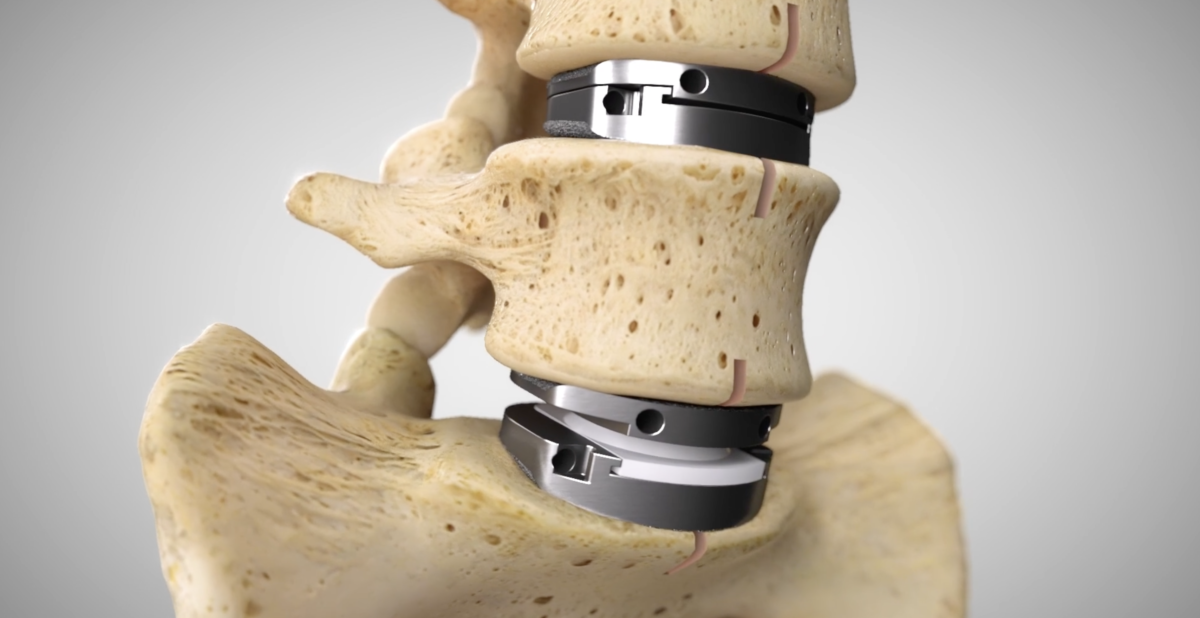
This procedure replaces a damaged spinal disc with an artificial one to maintain motion and flexibility.

Decompression Surgery

Decompression procedures relieve pressure on compressed nerves and help reduce numbness, weakness, and pain.

Recovery After Spine Surgery

Recovery varies depending on the type of surgery and the patient’s overall health. However, many modern procedures offer shorter recovery periods compared to traditional surgeries. 

Post-surgery recovery often includes:

  • Physical therapy
  • Pain management
  • Light exercises
  • Healthy lifestyle habits
  • Follow-up appointments

Most patients gradually regain strength and mobility over several weeks or months. Following your surgeon’s instructions carefully is essential for achieving the best results. 

Choosing the Right Spine Surgeon in Castroville

Selecting the right healthcare provider is one of the most important decisions you can make. An experienced spine surgeon in Castroville will focus on accurate diagnosis, personalized treatment plans, and patient-centered care.

When searching for a spine specialist, consider:

  • Experience and qualifications
  • Advanced surgical techniques
  • Patient reviews and testimonials
  • Comprehensive treatment options
  • Focus on minimally invasive procedures

At Brain and Spine Institute, San Antonio, Texas, patients receive compassionate care combined with advanced spinal treatment solutions tailored to individual needs.

Non-Surgical Treatments Before Surgery

In many cases, surgery is considered only after conservative treatments have been explored. Your provider may recommend:

  • Physical therapy
  • Chiropractic care
  • Pain medications
  • Epidural steroid injections
  • Lifestyle modifications
  • Exercise and stretching programs

These therapies can often help reduce symptoms and improve spinal health. However, if symptoms continue or worsen, spine surgery in Castroville, TX, may provide long-term relief.

Preventing Future Spine Problems

After receiving treatment, maintaining spinal health becomes essential. Here are some tips to protect your spine and prevent future issues:

Maintain Good Posture

Proper posture reduces unnecessary stress on the spine during sitting, standing, and lifting activities.

Stay Physically Active

Regular exercise strengthens muscles that support the spine and improves flexibility.

Maintain a Healthy Weight

Excess body weight places added pressure on the spine and can worsen pain symptoms.

Use Proper Lifting Techniques

Avoid lifting heavy objects incorrectly, as improper movements can lead to spinal injuries.

Quit Smoking

Smoking affects blood circulation and can slow healing after spine surgery.

Why Early Treatment Matters

Ignoring chronic pain can allow spinal conditions to worsen over time. Early diagnosis and treatment can help prevent complications and improve long-term outcomes.

Seeking professional back pain treatment in Castroville at the first sign of persistent discomfort can help you maintain mobility and avoid severe nerve damage.

Personalized Spine Care at Brain and Spine Institute, San Antonio, Texas

Every patient’s condition is unique, which is why personalized care is essential. At Brain and Spine Institute, San Antonio, Texas, treatment plans are designed around each patient’s symptoms, lifestyle, and long-term goals.

Whether you need conservative therapy or advanced minimally invasive spine surgery in Castroville, experienced specialists work closely with patients to provide effective solutions that improve overall quality of life.

For expert spinal care and consultation, call:

(210) 625-4733 

Frequently Asked Questions (FAQs)

  1. What conditions can spine surgery treat?

Spine surgery can treat herniated discs, spinal stenosis, sciatica, degenerative disc disease, scoliosis, nerve compression, and chronic back or neck pain. 

  1. Is minimally invasive spine surgery safe?

Yes, minimally invasive spine surgery in Castroville is considered safe for many patients and often results in faster recovery, smaller incisions, and less post-operative discomfort.

  1. How long does recovery take after spine surgery?

Recovery time depends on the procedure and the patient’s health. Some minimally invasive surgeries allow patients to resume light activities within a few weeks.

  1. When should I see a spine specialist?

You should see a spine specialist in Castroville if you experience ongoing back pain, numbness, weakness, or mobility issues that affect daily life. 

  1. Can spine surgery permanently relieve back pain?

Many patients experience significant long-term relief after surgery, especially when combined with rehabilitation and healthy lifestyle changes. 

  1. What are the benefits of choosing an experienced spine surgeon?

An experienced spine surgeon in Castroville can provide accurate diagnosis, advanced treatment options, and improved surgical outcomes. 

  1. Do all spine conditions require surgery?

No. Many conditions can be treated with physical therapy, medications, injections, or lifestyle changes before surgery is considered. 

  1. How do I schedule a consultation?

To learn more about advanced spine surgery treatment in Castroville, contact Brain and Spine Institute, San Antonio, Texas, at (210) 625-4733.
Categories
Neuro Surgeon Spine Specialist

When Should You See a Neurosurgeon Instead of an Orthopedic Doctor?

Back pain, neck pain, nerve issues, and spinal disorders can significantly impact your daily life. Many patients often wonder whether they should visit an orthopedic doctor or a neurological surgeon for their symptoms. Understanding the difference between these specialists can help you receive the right diagnosis and treatment faster.

If you are searching for a brain surgeon or a trusted spine specialist in Dripping Springs, knowing when to consult a neurosurgeon is essential. At the Brain and Spine Institute in San Antonio, Texas, Dr Osama Ahmed, MD, FAANS, provides advanced neurosurgical treatment for a wide range of brain, spine, and nerve conditions. 

Understanding the Difference Between Orthopedic Doctors and Neurosurgeons

Orthopedic doctors primarily focus on the musculoskeletal system, including bones, joints, ligaments, tendons, and muscles. They commonly treat fractures, arthritis, sports injuries, and joint-related conditions.

A neurological surgeon, on the other hand, specialises in conditions affecting the nervous system. This includes the brain, spine, spinal cord, and nerves. A neurosurgeon is trained to diagnose and treat complex neurological disorders, spinal conditions, nerve compression, and brain disorders.

While both specialists may treat back and neck pain, certain symptoms require evaluation by a brain and spine doctor with expertise in neurological care. 

Signs You Should See a Neurosurgeon

Persistent Back or Neck Pain

Occasional back pain is common, but chronic or severe pain may indicate a deeper spinal issue. If your pain lasts for weeks or continues to worsen despite medication, physical therapy, or rest, it may be time to consult a spine surgeon.

A spine specialist in Dripping Springs can evaluate conditions such as:

  • Herniated discs
  • Degenerative disc disease
  • Spinal stenosis
  • Pinched nerves
  • Spinal instability

A neurological surgeon can determine whether conservative treatment or minimally invasive neurosurgery is the best option for relief. 

Numbness, Tingling, or Weakness

Nerve-related symptoms should never be ignored. Tingling in the arms or legs, numbness, muscle weakness, or burning sensations may indicate nerve compression or spinal cord involvement.

A neurologist can identify the underlying cause of these symptoms and recommend appropriate treatment for neurological disorders. Conditions like sciatica, cervical radiculopathy, or peripheral nerve compression often require expert neurosurgical evaluation.

Severe Sciatica Pain

Sciatica occurs when the sciatic nerve becomes irritated or compressed. Symptoms may include:

  • Sharp pain radiating down the leg
  • Numbness
  • Weakness
  • Difficulty walking

If sciatica interferes with daily activities or does not improve with conservative care, a spine surgeon may recommend advanced neurosurgical treatment options. 

Brain-Related Symptoms

Many people associate neurosurgeons only with brain surgery, but they also manage a wide variety of neurological conditions. You should seek immediate medical attention from a brain surgeon in Dripping Springs if you experience:

  • Severe or persistent headaches
  • Balance problems
  • Seizures
  • Vision changes
  • Memory issues
  • Sudden weakness
  • Speech difficulties

These symptoms may indicate serious neurological disorders that require evaluation by a neurosurgeon.

Spinal Cord Compression Symptoms

Spinal cord compression can become a medical emergency if left untreated. Warning signs include:

  • Difficulty walking
  • Loss of coordination
  • Loss of bladder or bowel control
  • Severe weakness
  • Progressive numbness

A brain and spine doctor can diagnose spinal cord compression early and recommend surgical or non-surgical treatment options. 

When an Orthopedic Doctor May Be More Appropriate

Orthopedic doctors are often the right choice for:

  • Broken bones
  • Joint replacements
  • Sports injuries
  • Arthritis
  • Ligament tears
  • Tendon injuries

However, when symptoms involve the spinal cord, nerves, or brain, a neurological surgeon is typically better equipped to provide specialised care. 

Conditions Commonly Treated by a Neurosurgeon

A neurosurgery specialist treats many complex conditions, including: 

Spine Conditions

  • Herniated discs
  • Spinal stenosis
  • Degenerative disc disease
  • Scoliosis
  • Sciatica
  • Spinal fractures 

Brain Conditions

  • Brain tumors
  • Hydrocephalus
  • Brain aneurysms
  • Traumatic brain injuries 

Nerve Disorders

  • Carpal tunnel syndrome
  • Peripheral nerve compression
  • Trigeminal neuralgia 

Neurological Disorders

  • Epilepsy
  • Movement disorders
  • Chronic nerve pain

An experienced neurological surgeon can create a customised treatment plan based on the severity of your condition. 

Benefits of Minimally Invasive Neurosurgery

Modern advancements in minimally invasive neurosurgery allow many procedures to be performed with smaller incisions, less tissue damage, and faster recovery times.

Benefits may include:

  • Reduced pain after surgery
  • Shorter hospital stays
  • Faster recovery
  • Lower risk of infection
  • Minimal scarring

At the Brain and Spine Institute in San Antonio, Texas, Dr Osama Ahmed uses advanced surgical techniques to help patients recover safely and effectively. 

Non-Surgical Neurosurgical Treatment Options

Not every neurological condition requires surgery. A brain and spine doctor may recommend non-surgical treatment first, including:

  • Physical therapy
  • Pain management injections
  • Medications
  • Lifestyle modifications
  • Rehabilitation programs

A comprehensive treatment plan for neurological disorders focuses on improving mobility, reducing pain, and restoring quality of life. 

Why Early Diagnosis Matters

Delaying treatment for neurological conditions can lead to permanent nerve damage or worsening symptoms. Early evaluation by a spine specialist in Dripping Springs can help prevent complications and improve long-term outcomes.

Many patients ignore symptoms such as numbness, chronic pain, or weakness until they become severe. Seeking timely care from a neurological surgeon ensures accurate diagnosis and faster treatment. 

How a Neurosurgeon Diagnoses Spine and Nerve Conditions

A neurosurgery specialist may use advanced diagnostic tools such as:

  • MRI scans
  • CT scans
  • Nerve conduction studies
  • X-rays
  • Neurological examinations

These tests help identify the exact cause of symptoms and guide the most effective treatment plan. 

Choosing the Right Brain and Spine Doctor

Selecting the right specialist is an important step in your recovery. When choosing a neurological surgeon, consider:

  • Board certifications
  • Experience with spine and brain conditions
  • Advanced surgical techniques
  • Patient-centered care
  • Positive patient outcomes

Dr Osama Ahmed, MD, FAANS, is dedicated to providing advanced neurosurgical care for patients with complex neurological and spinal conditions.

Comprehensive Neurosurgical Care in Dripping Springs

Patients seeking a trusted brain surgeon or a skilled spine specialist in Dripping Springs can rely on Brain and Spine Institute in San Antonio, Texas, for expert care.

Whether you are experiencing chronic back pain, nerve symptoms, or neurological concerns, early evaluation by a neurosurgery specialist can make a significant difference in your recovery and quality of life.

Conclusion

Understanding when to see a neurological surgeon instead of an orthopedic doctor can help you receive the right treatment for spine, nerve, and brain conditions. Symptoms such as chronic back pain, numbness, weakness, severe headaches, or spinal cord issues often require specialised care from a brain and spine doctor.

At Brain and Spine Institute, San Antonio, Texas, Dr Osama Ahmed, MD, FAANS, offers advanced treatment for neurological disorders and minimally invasive neurosurgery tailored to each patient’s needs.

To schedule a consultation or learn more about your treatment options, call (210) 625-4733 today.

Frequently Asked Questions (FAQs)

What does a neurological surgeon treat?

A neurological surgeon treats conditions affecting the brain, spine, spinal cord, and nerves, including herniated discs, brain tumours, nerve compression, and spinal disorders.

When should I see a spine specialist in Dripping Springs?

You should see a spine specialist if you experience chronic back pain, neck pain, numbness, weakness, sciatica, or spinal cord symptoms.

What is minimally invasive neurosurgery?

Minimally invasive neurosurgery uses smaller incisions and advanced technology to treat spine and brain conditions with less pain and faster recovery.

Can a neurosurgeon treat back pain?

Yes, a spine surgeon can diagnose and treat back pain caused by nerve compression, herniated discs, spinal stenosis, and other spinal conditions.

What is the difference between an orthopedic doctor and a neurosurgeon?

Orthopedic doctors focus on bones and joints, while neurological surgeons specialise in the brain, spine, nerves, and spinal cord.

Does every spinal condition require surgery?

No, many spinal conditions can be treated with non-surgical neurosurgical treatment options such as physical therapy, medications, and injections.

Categories
Neuro Surgeon Spine Specialist

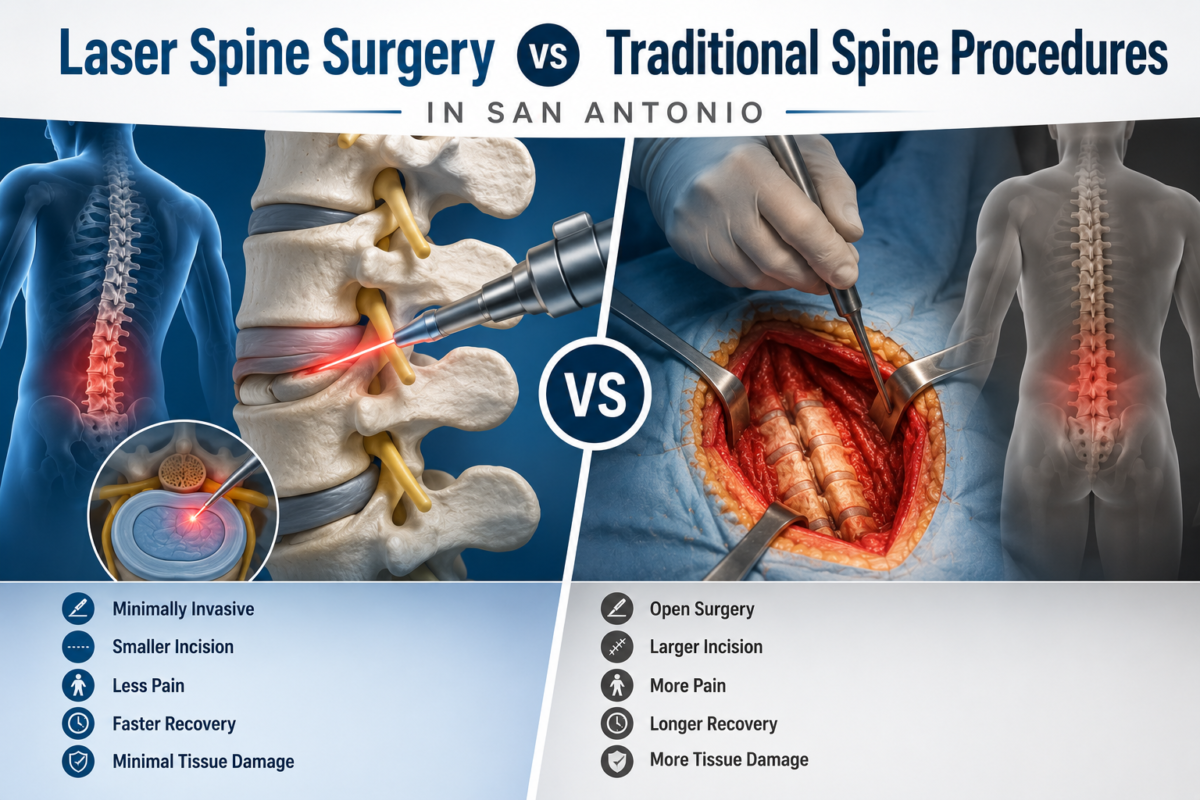
Laser Spine Surgery vs Traditional Spine Procedures: Expert Insights from San Antonio

Back pain and spinal disorders can significantly affect daily life, mobility, and overall well-being. Many patients seeking effective treatment options often consider Laser Spine Surgery San Antonio services because minimally invasive procedures are increasingly popular for faster recovery and reduced discomfort. However, understanding the differences between laser spine surgery and traditional spine procedures is essential before making a treatment decision.

At the Brain and Spine Institute in San Antonio, Texas, patients receive advanced spinal care from Dr. Osama Ahmed, MD, FAANS, a neurosurgeon and highly experienced neurosurgeon dedicated to personalized treatment plans for spine-related conditions. Whether you are dealing with chronic back pain, herniated discs, spinal stenosis, or nerve compression, consulting a professional neurosurgeon in San Antonio can help determine the best treatment approach for your condition.

Understanding Spine Surgery

Spine surgery is recommended when non-surgical treatments such as physical therapy, medications, injections, and lifestyle changes fail to relieve symptoms. The main goal of spine surgery is to reduce pain, restore function, and improve quality of life.

Modern spinal procedures generally fall into two categories:

  • Laser spine surgery
  • Traditional spine surgery

Each method has unique advantages and considerations depending on the patient’s diagnosis, age, medical history, and severity of the spinal condition.

What Is Laser Spine Surgery?

Laser spine surgery is a minimally invasive procedure that uses laser technology to remove or shrink damaged tissue affecting the spinal nerves. Small incisions and specialized instruments are used to access the affected area with minimal disruption to surrounding muscles and tissues.

Patients seeking Laser Spine Surgery San Antonio treatment often choose this option because it may offer:

  • Smaller incisions
  • Less tissue damage
  • Reduced blood loss
  • Faster recovery times
  • Lower risk of infection
  • Shorter hospital stays

Laser technology is commonly used for certain spinal conditions, including:

  • Herniated discs
  • Pinched nerves
  • Degenerative disc disease
  • Spinal stenosis
  • Sciatica

However, laser spine surgery may not be suitable for every spinal condition. A thorough evaluation by a professional neurosurgeon in San Antonio is essential to determine candidacy. 

What Are Traditional Spine Procedures?

Traditional spine surgery involves open surgical techniques, in which a larger incision is made to provide direct access to the spine. These procedures have been performed successfully for decades and are often necessary for complex spinal conditions. 

Common traditional spine procedures include:

  • Spinal fusion
  • Laminectomy
  • Discectomy
  • Vertebroplasty
  • Artificial disc replacement

Although traditional surgery may involve a longer recovery period, it remains highly effective for severe spinal disorders that cannot be treated with minimally invasive techniques.

Differences between Laser Spine Surgery and Traditional Spine Surgery 

  1. Surgical Incisions

Laser spine surgery uses very small incisions, while traditional surgery generally requires larger openings to access the spine.

Smaller incisions often result in:

  • Less scarring
  • Reduced pain after surgery
  • Faster healing

Traditional surgery may involve more extensive muscle dissection, which can increase recovery time.

  1. Recovery Time

One of the biggest advantages of Laser Spine Surgery San Antonio procedures is the shorter recovery period.

Patients undergoing minimally invasive surgery may:

  • Return home the same day
  • Resume light activities sooner
  • Experience less postoperative discomfort

Traditional spine surgery recovery can take several weeks or months, depending on the complexity of the procedure.

  1. Hospital Stay

Laser spine procedures are frequently performed on an outpatient basis, while traditional spine surgeries may require hospitalization for observation and recovery.

Patients who prefer minimal hospital stays often explore minimally invasive options first. 

  1. Surgical Precision

Laser-assisted technology allows surgeons to target specific tissues with greater precision. This can reduce trauma to nearby muscles and nerves.

However, traditional procedures provide better visibility for complex spinal reconstruction cases, especially when severe instability or deformities are present. 

  1. Suitability for Complex Conditions

Laser spine surgery is ideal for select conditions but may not be effective for advanced spinal instability, tumors, or severe degenerative diseases.

Traditional procedures are often preferred when:

  • Multiple spinal levels are involved
  • Structural correction is necessary
  • Extensive decompression is required

An experienced professional neurosurgeon in San Antonio can recommend the most appropriate surgical option after reviewing imaging studies and medical history.

Conditions That May Require Spine Surgery

Many spinal disorders can lead to chronic pain, numbness, weakness, and mobility issues. Common conditions treated through surgical procedures include:

Herniated Disc

Occurs when spinal discs press against nearby nerves, causing pain and nerve irritation. 

Spinal Stenosis

Narrowing of the spinal canal that places pressure on nerves. 

Degenerative Disc Disease

Age-related disc wear that leads to chronic pain and reduced flexibility. 

Sciatica

Compression of the sciatic nerve causes radiating pain through the lower back and legs. 

Spondylolisthesis

A condition where one vertebra slips over another, causing instability and pain. 

Spinal Fractures

Traumatic injuries that may require stabilization surgery.

Benefits of Consulting a Professional Neurosurgeon

Choosing the right surgeon plays a major role in successful spine treatment outcomes. A qualified Professional Neurosurgeon in San Antonio provides:

  • Accurate diagnosis
  • Advanced surgical expertise
  • Personalized treatment planning
  • Minimally invasive options
  • Long-term spine care guidance

At the Brain and Spine Institute in San Antonio, Texas, Dr. Osama Ahmed focuses on evidence-based treatments designed to improve patient comfort and recovery.

When Should You Consider Spine Surgery?

Not every back pain condition requires surgery. Most patients begin with conservative treatment methods such as:

  • Physical therapy
  • Pain medications
  • Epidural injections
  • Exercise programs
  • Chiropractic care 

Surgery may become necessary when:

  • Pain persists for months
  • Weakness or numbness worsens
  • Daily activities become difficult
  • Conservative treatments fail
  • Nerve compression threatens mobility

Early evaluation from a spine specialist can help prevent worsening symptoms and permanent nerve damage.

Risks and Considerations

Like any surgical procedure, both laser spine surgery and traditional spine surgery carry certain risks.

Possible complications include:

  • Infection
  • Bleeding
  • Nerve injury
  • Blood clots
  • Persistent pain
  • Spinal instability

Working with an experienced neurosurgeon significantly reduces surgical risks and improves overall treatment outcomes.

Recovery and Rehabilitation

Recovery after spine surgery depends on several factors:

  • Type of surgery
  • Patient health
  • Age
  • Severity of the condition

Postoperative rehabilitation may include:

  • Physical therapy
  • Stretching exercises
  • Walking programs
  • Lifestyle modifications

Patients are encouraged to follow their surgeon’s recovery instructions carefully to achieve the best results.

Why Patients in San Antonio Choose Advanced Spine Care

Patients seeking Laser Spine Surgery San Antonio services often prioritize:

  • Advanced technology
  • Minimally invasive techniques
  • Faster recovery
  • Personalized treatment

The Brain and Spine Institute in San Antonio, Texas, combines modern neurosurgical expertise with compassionate patient care to help individuals regain mobility and improve quality of life.

Under the leadership of Dr. Osama Ahmed, MD, FAANS, patients receive comprehensive evaluations and customized surgical solutions tailored to their spinal conditions.

Schedule a Consultation Today

If chronic back pain, nerve compression, or spinal problems are affecting your daily life, consulting a professional neurosurgeon in San Antonio can help you understand your treatment options.

The Brain and Spine Institute in San Antonio, Texas, offers advanced diagnostic evaluations and modern spine treatment solutions designed to support long-term recovery and pain relief.

Call today: (210) 625-4733

Frequently Asked Questions (FAQs)

  1. What is the main difference between laser spine surgery and traditional spine surgery?

Laser spine surgery uses minimally invasive techniques with smaller incisions, while traditional spine surgery involves larger openings for direct access to the spine.

  1. Is laser spine surgery safer than traditional surgery?

Both procedures can be safe when performed by an experienced neurosurgeon. The best option depends on the patient’s specific spinal condition.

  1. Who is a good candidate for Laser Spine Surgery San Antonio procedures?

Patients with herniated discs, nerve compression, or mild degenerative spine conditions may qualify for minimally invasive laser procedures.

  1. How long does recovery take after spine surgery?

Recovery varies depending on the procedure. Minimally invasive surgeries often allow faster recovery compared to traditional open spine surgery.

  1. When should I consult a Professional Neurosurgeon San Antonio specialist?

You should seek evaluation if back pain persists, mobility decreases, or numbness and weakness affect your daily activities.

  1. Does spine surgery eliminate back pain?

Many patients experience significant relief, but outcomes depend on the condition being treated, surgical approach, and rehabilitation process.

  1. Why choose Brain and Spine Institute, San Antonio, Texas?

The institute provides advanced spine care under the care of Dr. Osama Ahmed, MD, FAANS, offering personalized treatment plans and modern surgical techniques for spinal conditions.

Categories
Neuro Surgeon Spine Specialist

How Spine Surgery Treatment Helps Restore Mobility and Reduce Pain

Living with constant back or neck pain can affect every part of daily life. Many patients searching for a Spine Specialist near me in San Antonio or a trusted Spine Surgery Specialist in Universal City often struggle with limited movement, nerve pain, stiffness, or weakness that prevent them from enjoying normal activities. Fortunately, modern Spine surgery treatment in Universal City offers advanced solutions that can help reduce pain, improve mobility, and support long-term spinal health.

At the Brain and Spine Institute in San Antonio, Texas, Dr. Osama Ahmed, MD, FAANS, provides patient-focused care using modern diagnostic tools and advanced treatment approaches. As an experienced neurosurgeon, Dr. Ahmed helps patients understand their condition and guides them toward the most effective treatment plan for lasting relief.

Understanding Spine Problems and Their Impact

The spine plays an important role in supporting body movement, posture, and nerve function. When spinal structures become damaged or compressed, patients may experience pain, numbness, weakness, or reduced flexibility.

Several conditions can affect spinal health, including:

  • Herniated discs
  • Spinal stenosis
  • Degenerative disc disease
  • Sciatica
  • Scoliosis
  • Spinal fractures
  • Pinched nerves
  • Cervical and lumbar spine disorders

These problems may develop due to aging, injuries, repetitive strain, poor posture, or medical conditions. While some patients respond well to conservative care, others may eventually require surgical treatment to restore normal function.

Signs You May Need Spine Surgery Treatment

Back pain does not always require surgery. However, certain symptoms may indicate a more serious spinal condition that needs specialist evaluation.

Common warning signs include:

  • Persistent back or neck pain
  • Pain radiating into the arms or legs
  • Tingling or numbness
  • Difficulty standing or walking
  • Muscle weakness
  • Loss of balance
  • Reduced mobility
  • Pain that does not improve with therapy or medication

If these symptoms interfere with daily activities, consulting a qualified spine expert is important. Many individuals seeking a Spine Surgery Specialist in Universal City turn to treatment after conservative measures no longer provide relief.

The Importance of Early Diagnosis

Early diagnosis can help prevent spinal problems from worsening. A detailed evaluation allows specialists to identify the exact source of pain and recommend the right treatment plan.

At the Brain and Spine Institute, San Antonio, Texas, patients receive comprehensive assessments that may include:

  • Physical examinations
  • Medical history reviews
  • MRI scans
  • CT imaging
  • X-rays
  • Neurological testing

Accurate diagnosis helps create personalized treatment strategies that improve recovery and long-term outcomes.

Non-Surgical Treatments Before Surgery

In many cases, doctors first recommend non-surgical treatments before considering surgery. Conservative care can reduce inflammation, strengthen muscles, and improve spinal function.

Common non-surgical treatments include:

Physical Therapy

Physical therapy helps improve flexibility, posture, and muscle strength. It can reduce pressure on the spine and support recovery naturally. 

Pain Management

Doctors may recommend medications or targeted injections to control inflammation and nerve pain. 

Lifestyle Changes

Weight management, posture correction, and regular exercise can help reduce spinal stress and prevent worsening symptoms. 

Activity Modification

Avoiding activities that strain the spine may reduce discomfort and support healing.

However, when symptoms continue despite conservative care, surgery may become the best option for restoring quality of life. 

How Spine Surgery Helps Restore Mobility

Modern spine surgery focuses on relieving nerve compression, stabilizing the spine, and improving movement. Advanced surgical techniques are designed to minimize tissue damage while helping patients recover faster.

A successful Spine surgery treatment plan can help patients:

  • Walk more comfortably
  • Improve flexibility
  • Reduce nerve pain
  • Restore strength
  • Increase independence
  • Return to daily activities
  • Improve posture and balance

Many patients experience significant improvements in mobility after surgery, especially when treatment addresses the root cause of the condition.

Common Types of Spine Surgery

Different spinal conditions require different surgical approaches. A spine specialist carefully selects the most appropriate procedure based on the patient’s symptoms and diagnosis.

Discectomy

This procedure removes part of a damaged disc that is pressing on nearby nerves. 

Laminectomy

A laminectomy removes part of the vertebra to relieve spinal cord or nerve pressure. 

Spinal Fusion

Spinal fusion stabilizes the spine by joining two or more vertebrae together. 

Minimally Invasive Spine Surgery

Minimally invasive procedures use smaller incisions and advanced technology to reduce recovery time and minimize tissue damage. 

Artificial Disc Replacement

This procedure replaces damaged discs while maintaining spine movement.

Patients searching for a Spine Specialist near me in San Antonio often benefit from learning about advanced treatment options before deciding on surgery.

Benefits of Modern Spine Surgery Techniques

Medical advancements have significantly improved outcomes in spine surgery. Today’s surgical procedures focus on precision, safety, and faster healing. 

Benefits may include:

  • Smaller incisions
  • Reduced blood loss
  • Shorter hospital stays
  • Faster recovery
  • Less post-operative pain
  • Lower risk of complications
  • Improved mobility

Modern technology also allows surgeons to perform procedures with greater accuracy, improving patient outcomes and long-term comfort.

Recovery After Spine Surgery

Recovery varies depending on the procedure and the patient’s overall health. Following post-operative instructions carefully can help improve healing and long-term success.

Most recovery plans include:

Physical Rehabilitation

Therapy programs help patients rebuild strength, improve flexibility, and restore movement safely. 

Gradual Activity Progression

Patients are encouraged to slowly increase activity levels while avoiding heavy lifting or sudden movements. 

Pain Management Support

Proper pain management helps patients remain comfortable during recovery. 

Follow-Up Care

Regular appointments allow surgeons to monitor healing progress and address any concerns.

Many patients gradually return to work, exercise, and normal activities with improved comfort and mobility.

Why Choosing the Right Spine Specialist Matters

Selecting an experienced spine specialist plays a major role in treatment success. Patients should seek specialists who offer detailed evaluations, personalized care, and advanced treatment options.

Dr. Osama Ahmed, MD, FAANS, at the Brain and Spine Institute in San Antonio, Texas, offers comprehensive spinal care, with a focus on patient education and long-term recovery. His experience as a neurosurgeon allows him to evaluate complex spinal conditions and recommend effective treatment strategies tailored to each patient’s needs.

When patients search for a Spine Specialist near me, San Antonio, they often seek a provider who combines advanced medical knowledge with compassionate care and personalized attention.

Lifestyle Tips for Better Spine Health

Maintaining spinal health can help reduce pain and lower the risk of future injuries.

Helpful habits include:

  • Maintaining proper posture
  • Exercising regularly
  • Strengthening core muscles
  • Using proper lifting techniques
  • Staying physically active
  • Maintaining a healthy weight
  • Avoiding prolonged sitting

Simple lifestyle improvements can make a significant difference in overall spine function and mobility.

Emotional Benefits of Pain Relief and Mobility Restoration

Chronic pain affects more than physical health. Many patients also experience emotional stress, anxiety, frustration, and reduced confidence due to limited mobility.

Successful spine treatment can improve:

  • Emotional well-being
  • Sleep quality
  • Daily comfort
  • Independence
  • Confidence
  • Social activity participation

Restoring mobility often helps patients return to hobbies, family activities, and normal routines that chronic pain once limited.

When to Schedule a Consultation

Patients should seek professional evaluation if pain continues for several weeks or interferes with daily life. Delaying treatment may allow conditions to worsen over time.

Consulting a qualified Spine Surgery Specialist in Universal City can help patients understand their condition and explore available treatment options before symptoms become more severe.

Early treatment often leads to better long-term outcomes and improved quality of life.

Conclusion

Spinal conditions can significantly impact movement, comfort, and overall well-being. Fortunately, modern spine care offers advanced solutions designed to reduce pain and restore mobility. Whether patients experience chronic back pain, nerve compression, or reduced flexibility, proper evaluation and treatment can help improve daily life.

At Brain and Spine Institute, San Antonio, Texas, Dr. Osama Ahmed, MD, FAANS, provides personalized care focused on helping patients achieve lasting relief and better spinal health. Through advanced diagnostics, non-surgical therapies, and modern surgical techniques, patients can regain mobility and return to the activities they enjoy most.

To learn more about treatment options or schedule a consultation, call (210) 625-4733 today.

Frequently Asked Questions (FAQs) 

  1. When is spine surgery necessary?

Spine surgery may be recommended when non-surgical treatments no longer relieve symptoms such as chronic pain, numbness, weakness, or mobility problems. 

  1. How long does recovery from spine surgery take?

Recovery time depends on the type of procedure and individual health factors. Some patients recover within weeks, while others may require several months of rehabilitation. 

  1. Is minimally invasive spine surgery effective?

Yes. Minimally invasive procedures can reduce tissue damage, shorten recovery time, and improve patient comfort while effectively treating many spinal conditions. 

  1. What conditions are commonly treated with spine surgery?

Common conditions include herniated discs, spinal stenosis, degenerative disc disease, scoliosis, nerve compression, and spinal instability. 

  1. Can spine surgery improve mobility?

Yes. Many patients experience improved movement, reduced pain, and better physical function after successful treatment and rehabilitation. 

  1. How do I know if I need a spine specialist?

Persistent back or neck pain, numbness, weakness, or reduced mobility are important signs that a spine specialist should evaluate. 

  1. What should I expect during my consultation?

A consultation typically includes a physical examination, medical history review, imaging studies, and a discussion of treatment options based on your symptoms and diagnosis. 

  1. How can I protect my spine health after treatment?

Regular exercise, proper posture, healthy weight management, and following medical advice can help maintain long-term spinal health.

Categories
Neuro Surgeon Spine Specialist

Restore Mobility with Lumbar Disc Replacement in Jourdanton, TX

Living with chronic lower back pain can significantly affect your quality of life. If you are searching for a surgeon for a lumbar artificial disc in Jourdanton, you are likely exploring advanced solutions that go beyond temporary pain relief. Lumbar artificial disc replacement is a modern, motion-preserving alternative to traditional spinal fusion, offering hope for long-term recovery and restored mobility.

At the Brain and Spine Institute in San Antonio, Texas, led by Dr. Osama Ahmed, MD, FAANS, Neurosurgeon, patients receive expert care using advanced spine treatment techniques tailored to their condition.

Understanding Lumbar Artificial Disc Replacement

Lumbar artificial disc replacement in Jourdanton, TX, is a surgical procedure that treats damaged or degenerated discs in the lower spine. Instead of fusing two vertebrae, this procedure replaces the damaged disc with an artificial implant that mimics natural movement.

Why Is It Needed?

The lumbar discs act as cushions between vertebrae. Over time, they can deteriorate due to:

  • Degenerative disc disease
  • Herniated discs
  • Injury or trauma
  • Aging-related wear and tear

When conservative treatments fail, a lumbar disc replacement surgeon near Jourdanton may recommend artificial disc replacement to relieve pain and restore function.

Benefits of Artificial Disc Replacement

Choosing an artificial disc replacement specialist in Texas offers several advantages over traditional spine surgery: 

  1. Preserves Natural Motion

Unlike spinal fusion, artificial discs allow the spine to maintain flexibility and natural movement. 

  1. Faster Recovery Time

Patients often experience a quicker recovery than with fusion surgery. 

  1. Reduced Risk of Adjacent Segment Disease

Fusion can place stress on nearby discs, while artificial discs help distribute movement more naturally. 

  1. Long-Term Pain Relief

Many patients report a significant reduction in chronic back pain after surgery. 

Who Is a Candidate for Lumbar Disc Replacement?

A spine specialist near Jourdanton, TX, will evaluate whether you are a good candidate. Ideal candidates typically:

  • Have chronic lower back pain lasting more than 6 months
  • Have not responded to physical therapy or medications
  • Have disc-related issues confirmed through imaging
  • Do not have severe spinal instability or osteoporosis

Consulting a spine surgeon for disc replacement in Jourdanton ensures a thorough diagnosis and personalized treatment plan. 

Procedure Overview: What to Expect 

Before Surgery

  • Comprehensive evaluation
  • Imaging tests (MRI, CT scans)
  • Discussion of medical history 

During Surgery

  • The damaged disc is removed
  • An artificial disc is implanted
  • Surgery typically lasts a few hours 

After Surgery

  • Short hospital stay (often 1–3 days)
  • Gradual return to daily activities
  • Physical therapy for rehabilitation 

Recovery and Rehabilitation

Recovery plays a crucial role in the success of lumbar artificial disc replacement in Jourdanton, TX.

Recovery Timeline

  • Week 1–2: Pain management and light movement
  • Week 3–6: Increased mobility and physical therapy
  • 2–3 Months: Return to normal activities
  • 6 Months: Full recovery in most cases

Following your surgeon’s instructions is essential for optimal results.

Why Choose Brain and Spine Institute, San Antonio, Texas?

When searching for a lumbar disc replacement surgeon near Jourdanton, choosing the right specialist matters.

Expert Care by Dr. Osama Ahmed

  • Board-certified neurosurgeon
  • Extensive experience in spine surgery
  • Focus on minimally invasive techniques 

Patient-Centered Approach

  • Personalized treatment plans
  • Advanced diagnostic tools
  • Compassionate care 

Convenient Access for Jourdanton Patients

Located near Jourdanton, the institute provides easy access to high-quality spine care. 

Artificial Disc Replacement vs Spinal Fusion 

Feature Artificial Disc Replacement Spinal Fusion
Motion Preserved Limited
Recovery Faster Slower
Flexibility Maintained Reduced
Risk to Adjacent Discs Lower Higher

A spine surgeon for disc replacement in Jourdanton can help determine which procedure is best for your condition. 

Risks and Considerations

Like any surgical procedure, lumbar disc replacement has potential risks:

  • Infection
  • Implant complications
  • Nerve injury (rare)
  • Persistent pain

However, when performed by an experienced artificial disc replacement specialist in Texas, risks are minimized.

When to See a Spine Specialist

You should consult a spine specialist near Jourdanton, TX if you experience:

  • Persistent lower back pain
  • Pain radiating to the legs
  • Numbness or tingling
  • Difficulty standing or walking

Early diagnosis can prevent complications and improve outcomes.

Importance of Early Treatment

Ignoring chronic back pain can lead to:

  • Reduced mobility
  • Nerve damage
  • Decreased quality of life

Seeking timely care from a surgeon for a lumbar artificial disc in Jourdanton ensures better recovery and long-term health.

Lifestyle Tips for Spine Health

Even after surgery, maintaining spine health is essential:

  • Practice good posture
  • Maintain a healthy weight
  • Exercise regularly
  • Avoid heavy lifting
  • Follow physical therapy routines 

Conclusion

Lumbar artificial disc replacement is a breakthrough solution for individuals struggling with chronic back pain. If you are looking for a spine surgeon for disc replacement in Jourdanton, expert care is available at the Brain and Spine Institute in San Antonio, Texas.

Under the guidance of Dr. Osama Ahmed, MD, FAANS, patients receive advanced treatment designed to restore mobility, reduce pain, and improve overall quality of life.

???? Take the first step toward recovery—Call (210) 625-4733 today to schedule your consultation. 

Frequently Asked Questions (FAQs) 

  1. What is lumbar artificial disc replacement?

It is a surgical procedure that replaces a damaged spinal disc with an artificial one to maintain motion and reduce pain. 

  1. How do I find the best surgeon for a lumbar artificial disc in Jourdanton?

Look for a board-certified neurosurgeon with experience in artificial disc replacement and a track record of positive patient outcomes. 

  1. Is lumbar disc replacement better than spinal fusion?

For many patients, it offers better mobility and faster recovery, but suitability depends on individual conditions. 

  1. How long does recovery take?

Most patients recover within 2–3 months, with full recovery in about 6 months. 

  1. Is the procedure safe?

Yes, when performed by an experienced artificial disc replacement specialist in Texas, it is considered safe and effective. 

  1. Will I regain full mobility after surgery?

Most patients experience significant improvement in mobility and reduction in pain. 

  1. How can I book a consultation?

You can contact the Brain and Spine Institute in San Antonio, Texas, at (210) 625-4733 to schedule an appointment.