Categories
Neuro Surgeon Spine Specialist

How Spine Surgery Treatment Helps Restore Mobility and Reduce Pain

Living with constant back or neck pain can affect every part of daily life. Many patients searching for a Spine Specialist near me in San Antonio or a trusted Spine Surgery Specialist in Universal City often struggle with limited movement, nerve pain, stiffness, or weakness that prevent them from enjoying normal activities. Fortunately, modern Spine surgery treatment in Universal City offers advanced solutions that can help reduce pain, improve mobility, and support long-term spinal health.

At the Brain and Spine Institute in San Antonio, Texas, Dr. Osama Ahmed, MD, FAANS, provides patient-focused care using modern diagnostic tools and advanced treatment approaches. As an experienced neurosurgeon, Dr. Ahmed helps patients understand their condition and guides them toward the most effective treatment plan for lasting relief.

Understanding Spine Problems and Their Impact

The spine plays an important role in supporting body movement, posture, and nerve function. When spinal structures become damaged or compressed, patients may experience pain, numbness, weakness, or reduced flexibility.

Several conditions can affect spinal health, including:

  • Herniated discs
  • Spinal stenosis
  • Degenerative disc disease
  • Sciatica
  • Scoliosis
  • Spinal fractures
  • Pinched nerves
  • Cervical and lumbar spine disorders

These problems may develop due to aging, injuries, repetitive strain, poor posture, or medical conditions. While some patients respond well to conservative care, others may eventually require surgical treatment to restore normal function.

Signs You May Need Spine Surgery Treatment

Back pain does not always require surgery. However, certain symptoms may indicate a more serious spinal condition that needs specialist evaluation.

Common warning signs include:

  • Persistent back or neck pain
  • Pain radiating into the arms or legs
  • Tingling or numbness
  • Difficulty standing or walking
  • Muscle weakness
  • Loss of balance
  • Reduced mobility
  • Pain that does not improve with therapy or medication

If these symptoms interfere with daily activities, consulting a qualified spine expert is important. Many individuals seeking a Spine Surgery Specialist in Universal City turn to treatment after conservative measures no longer provide relief.

The Importance of Early Diagnosis

Early diagnosis can help prevent spinal problems from worsening. A detailed evaluation allows specialists to identify the exact source of pain and recommend the right treatment plan.

At the Brain and Spine Institute, San Antonio, Texas, patients receive comprehensive assessments that may include:

  • Physical examinations
  • Medical history reviews
  • MRI scans
  • CT imaging
  • X-rays
  • Neurological testing

Accurate diagnosis helps create personalized treatment strategies that improve recovery and long-term outcomes.

Non-Surgical Treatments Before Surgery

In many cases, doctors first recommend non-surgical treatments before considering surgery. Conservative care can reduce inflammation, strengthen muscles, and improve spinal function.

Common non-surgical treatments include:

Physical Therapy

Physical therapy helps improve flexibility, posture, and muscle strength. It can reduce pressure on the spine and support recovery naturally. 

Pain Management

Doctors may recommend medications or targeted injections to control inflammation and nerve pain. 

Lifestyle Changes

Weight management, posture correction, and regular exercise can help reduce spinal stress and prevent worsening symptoms. 

Activity Modification

Avoiding activities that strain the spine may reduce discomfort and support healing.

However, when symptoms continue despite conservative care, surgery may become the best option for restoring quality of life. 

How Spine Surgery Helps Restore Mobility

Modern spine surgery focuses on relieving nerve compression, stabilizing the spine, and improving movement. Advanced surgical techniques are designed to minimize tissue damage while helping patients recover faster.

A successful Spine surgery treatment plan can help patients:

  • Walk more comfortably
  • Improve flexibility
  • Reduce nerve pain
  • Restore strength
  • Increase independence
  • Return to daily activities
  • Improve posture and balance

Many patients experience significant improvements in mobility after surgery, especially when treatment addresses the root cause of the condition.

Common Types of Spine Surgery

Different spinal conditions require different surgical approaches. A spine specialist carefully selects the most appropriate procedure based on the patient’s symptoms and diagnosis.

Discectomy

This procedure removes part of a damaged disc that is pressing on nearby nerves. 

Laminectomy

A laminectomy removes part of the vertebra to relieve spinal cord or nerve pressure. 

Spinal Fusion

Spinal fusion stabilizes the spine by joining two or more vertebrae together. 

Minimally Invasive Spine Surgery

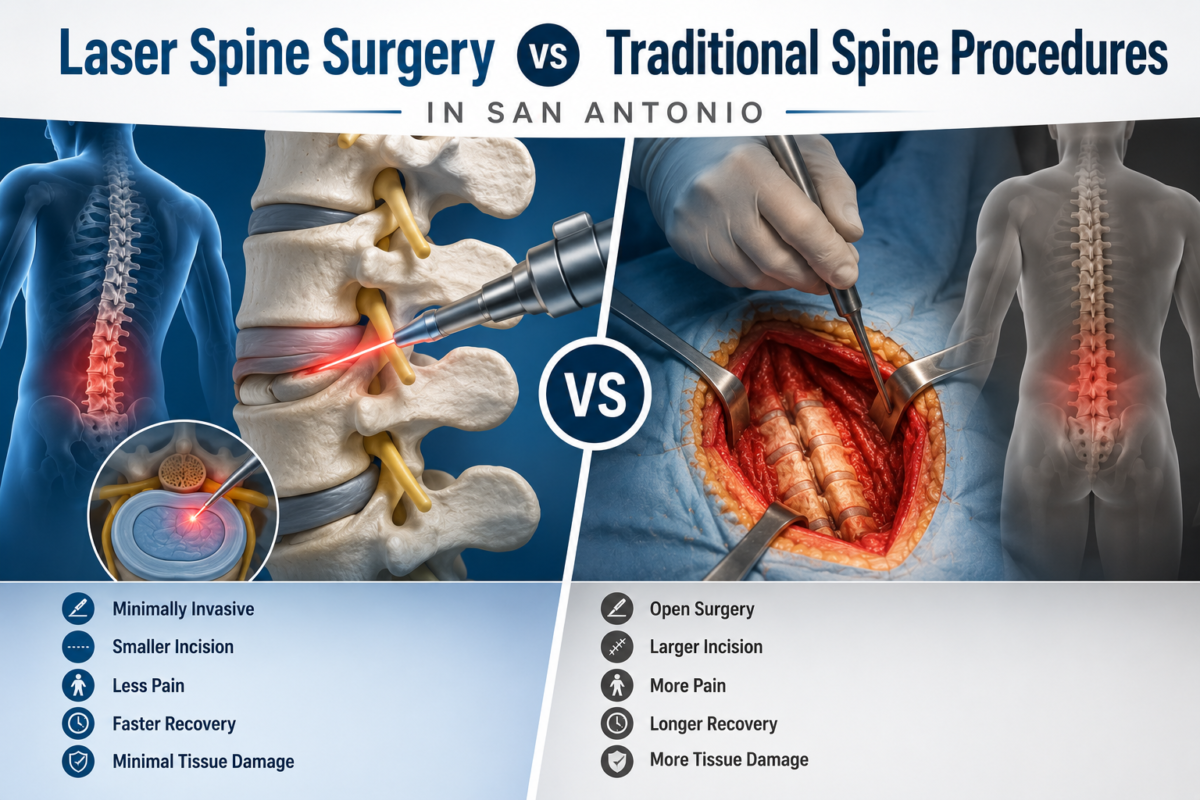
Minimally invasive procedures use smaller incisions and advanced technology to reduce recovery time and minimize tissue damage. 

Artificial Disc Replacement

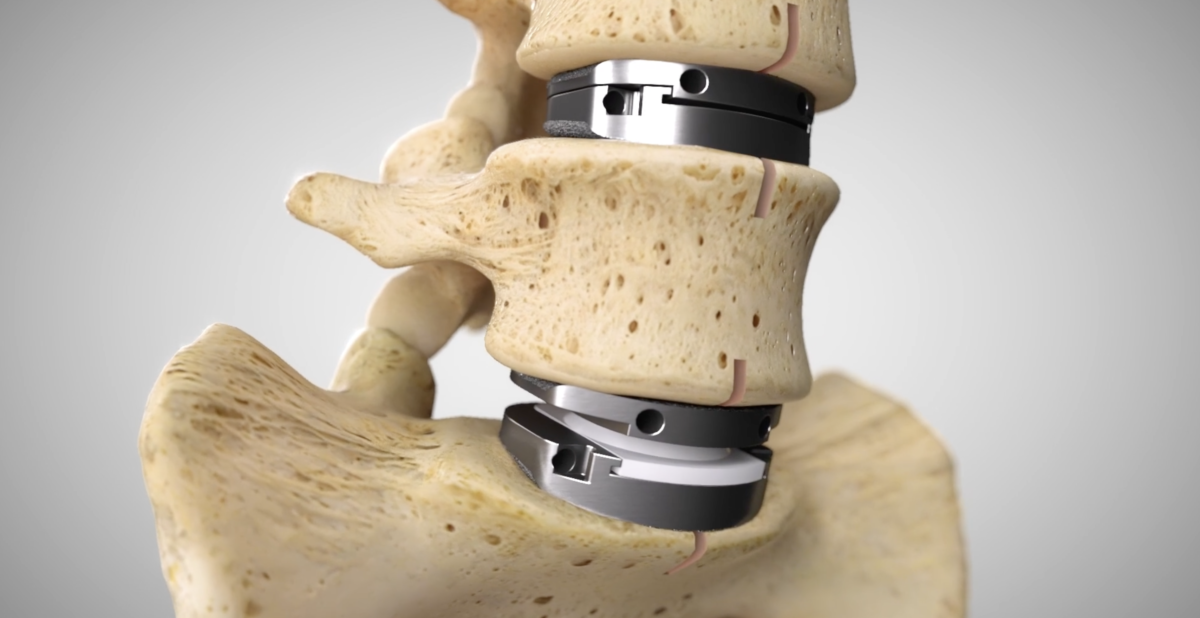
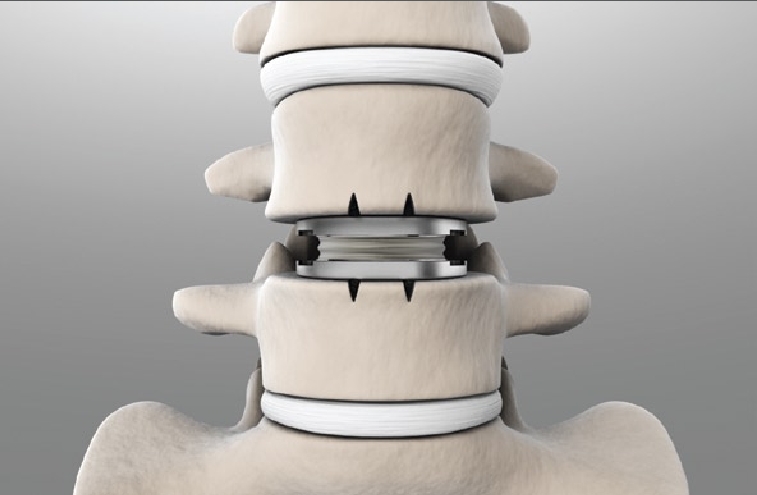
This procedure replaces damaged discs while maintaining spine movement.

Patients searching for a Spine Specialist near me in San Antonio often benefit from learning about advanced treatment options before deciding on surgery.

Benefits of Modern Spine Surgery Techniques

Medical advancements have significantly improved outcomes in spine surgery. Today’s surgical procedures focus on precision, safety, and faster healing. 

Benefits may include:

  • Smaller incisions
  • Reduced blood loss
  • Shorter hospital stays
  • Faster recovery
  • Less post-operative pain
  • Lower risk of complications
  • Improved mobility

Modern technology also allows surgeons to perform procedures with greater accuracy, improving patient outcomes and long-term comfort.

Recovery After Spine Surgery

Recovery varies depending on the procedure and the patient’s overall health. Following post-operative instructions carefully can help improve healing and long-term success.

Most recovery plans include:

Physical Rehabilitation

Therapy programs help patients rebuild strength, improve flexibility, and restore movement safely. 

Gradual Activity Progression

Patients are encouraged to slowly increase activity levels while avoiding heavy lifting or sudden movements. 

Pain Management Support

Proper pain management helps patients remain comfortable during recovery. 

Follow-Up Care

Regular appointments allow surgeons to monitor healing progress and address any concerns.

Many patients gradually return to work, exercise, and normal activities with improved comfort and mobility.

Why Choosing the Right Spine Specialist Matters

Selecting an experienced spine specialist plays a major role in treatment success. Patients should seek specialists who offer detailed evaluations, personalized care, and advanced treatment options.

Dr. Osama Ahmed, MD, FAANS, at the Brain and Spine Institute in San Antonio, Texas, offers comprehensive spinal care, with a focus on patient education and long-term recovery. His experience as a neurosurgeon allows him to evaluate complex spinal conditions and recommend effective treatment strategies tailored to each patient’s needs.

When patients search for a Spine Specialist near me, San Antonio, they often seek a provider who combines advanced medical knowledge with compassionate care and personalized attention.

Lifestyle Tips for Better Spine Health

Maintaining spinal health can help reduce pain and lower the risk of future injuries.

Helpful habits include:

  • Maintaining proper posture
  • Exercising regularly
  • Strengthening core muscles
  • Using proper lifting techniques
  • Staying physically active
  • Maintaining a healthy weight
  • Avoiding prolonged sitting

Simple lifestyle improvements can make a significant difference in overall spine function and mobility.

Emotional Benefits of Pain Relief and Mobility Restoration

Chronic pain affects more than physical health. Many patients also experience emotional stress, anxiety, frustration, and reduced confidence due to limited mobility.

Successful spine treatment can improve:

  • Emotional well-being
  • Sleep quality
  • Daily comfort
  • Independence
  • Confidence
  • Social activity participation

Restoring mobility often helps patients return to hobbies, family activities, and normal routines that chronic pain once limited.

When to Schedule a Consultation

Patients should seek professional evaluation if pain continues for several weeks or interferes with daily life. Delaying treatment may allow conditions to worsen over time.

Consulting a qualified Spine Surgery Specialist in Universal City can help patients understand their condition and explore available treatment options before symptoms become more severe.

Early treatment often leads to better long-term outcomes and improved quality of life.

Conclusion

Spinal conditions can significantly impact movement, comfort, and overall well-being. Fortunately, modern spine care offers advanced solutions designed to reduce pain and restore mobility. Whether patients experience chronic back pain, nerve compression, or reduced flexibility, proper evaluation and treatment can help improve daily life.

At Brain and Spine Institute, San Antonio, Texas, Dr. Osama Ahmed, MD, FAANS, provides personalized care focused on helping patients achieve lasting relief and better spinal health. Through advanced diagnostics, non-surgical therapies, and modern surgical techniques, patients can regain mobility and return to the activities they enjoy most.

To learn more about treatment options or schedule a consultation, call (210) 625-4733 today.

Frequently Asked Questions (FAQs) 

  1. When is spine surgery necessary?

Spine surgery may be recommended when non-surgical treatments no longer relieve symptoms such as chronic pain, numbness, weakness, or mobility problems. 

  1. How long does recovery from spine surgery take?

Recovery time depends on the type of procedure and individual health factors. Some patients recover within weeks, while others may require several months of rehabilitation. 

  1. Is minimally invasive spine surgery effective?

Yes. Minimally invasive procedures can reduce tissue damage, shorten recovery time, and improve patient comfort while effectively treating many spinal conditions. 

  1. What conditions are commonly treated with spine surgery?

Common conditions include herniated discs, spinal stenosis, degenerative disc disease, scoliosis, nerve compression, and spinal instability. 

  1. Can spine surgery improve mobility?

Yes. Many patients experience improved movement, reduced pain, and better physical function after successful treatment and rehabilitation. 

  1. How do I know if I need a spine specialist?

Persistent back or neck pain, numbness, weakness, or reduced mobility are important signs that a spine specialist should evaluate. 

  1. What should I expect during my consultation?

A consultation typically includes a physical examination, medical history review, imaging studies, and a discussion of treatment options based on your symptoms and diagnosis. 

  1. How can I protect my spine health after treatment?

Regular exercise, proper posture, healthy weight management, and following medical advice can help maintain long-term spinal health.

Categories
Neuro Surgeon Spine Specialist

Restore Mobility with Lumbar Disc Replacement in Jourdanton, TX

Living with chronic lower back pain can significantly affect your quality of life. If you are searching for a surgeon for a lumbar artificial disc in Jourdanton, you are likely exploring advanced solutions that go beyond temporary pain relief. Lumbar artificial disc replacement is a modern, motion-preserving alternative to traditional spinal fusion, offering hope for long-term recovery and restored mobility.

At the Brain and Spine Institute in San Antonio, Texas, led by Dr. Osama Ahmed, MD, FAANS, Neurosurgeon, patients receive expert care using advanced spine treatment techniques tailored to their condition.

Understanding Lumbar Artificial Disc Replacement

Lumbar artificial disc replacement in Jourdanton, TX, is a surgical procedure that treats damaged or degenerated discs in the lower spine. Instead of fusing two vertebrae, this procedure replaces the damaged disc with an artificial implant that mimics natural movement.

Why Is It Needed?

The lumbar discs act as cushions between vertebrae. Over time, they can deteriorate due to:

  • Degenerative disc disease
  • Herniated discs
  • Injury or trauma
  • Aging-related wear and tear

When conservative treatments fail, a lumbar disc replacement surgeon near Jourdanton may recommend artificial disc replacement to relieve pain and restore function.

Benefits of Artificial Disc Replacement

Choosing an artificial disc replacement specialist in Texas offers several advantages over traditional spine surgery: 

  1. Preserves Natural Motion

Unlike spinal fusion, artificial discs allow the spine to maintain flexibility and natural movement. 

  1. Faster Recovery Time

Patients often experience a quicker recovery than with fusion surgery. 

  1. Reduced Risk of Adjacent Segment Disease

Fusion can place stress on nearby discs, while artificial discs help distribute movement more naturally. 

  1. Long-Term Pain Relief

Many patients report a significant reduction in chronic back pain after surgery. 

Who Is a Candidate for Lumbar Disc Replacement?

A spine specialist near Jourdanton, TX, will evaluate whether you are a good candidate. Ideal candidates typically:

  • Have chronic lower back pain lasting more than 6 months
  • Have not responded to physical therapy or medications
  • Have disc-related issues confirmed through imaging
  • Do not have severe spinal instability or osteoporosis

Consulting a spine surgeon for disc replacement in Jourdanton ensures a thorough diagnosis and personalized treatment plan. 

Procedure Overview: What to Expect 

Before Surgery

  • Comprehensive evaluation
  • Imaging tests (MRI, CT scans)
  • Discussion of medical history 

During Surgery

  • The damaged disc is removed
  • An artificial disc is implanted
  • Surgery typically lasts a few hours 

After Surgery

  • Short hospital stay (often 1–3 days)
  • Gradual return to daily activities
  • Physical therapy for rehabilitation 

Recovery and Rehabilitation

Recovery plays a crucial role in the success of lumbar artificial disc replacement in Jourdanton, TX.

Recovery Timeline

  • Week 1–2: Pain management and light movement
  • Week 3–6: Increased mobility and physical therapy
  • 2–3 Months: Return to normal activities
  • 6 Months: Full recovery in most cases

Following your surgeon’s instructions is essential for optimal results.

Why Choose Brain and Spine Institute, San Antonio, Texas?

When searching for a lumbar disc replacement surgeon near Jourdanton, choosing the right specialist matters.

Expert Care by Dr. Osama Ahmed

  • Board-certified neurosurgeon
  • Extensive experience in spine surgery
  • Focus on minimally invasive techniques 

Patient-Centered Approach

  • Personalized treatment plans
  • Advanced diagnostic tools
  • Compassionate care 

Convenient Access for Jourdanton Patients

Located near Jourdanton, the institute provides easy access to high-quality spine care. 

Artificial Disc Replacement vs Spinal Fusion 

Feature Artificial Disc Replacement Spinal Fusion
Motion Preserved Limited
Recovery Faster Slower
Flexibility Maintained Reduced
Risk to Adjacent Discs Lower Higher

A spine surgeon for disc replacement in Jourdanton can help determine which procedure is best for your condition. 

Risks and Considerations

Like any surgical procedure, lumbar disc replacement has potential risks:

  • Infection
  • Implant complications
  • Nerve injury (rare)
  • Persistent pain

However, when performed by an experienced artificial disc replacement specialist in Texas, risks are minimized.

When to See a Spine Specialist

You should consult a spine specialist near Jourdanton, TX if you experience:

  • Persistent lower back pain
  • Pain radiating to the legs
  • Numbness or tingling
  • Difficulty standing or walking

Early diagnosis can prevent complications and improve outcomes.

Importance of Early Treatment

Ignoring chronic back pain can lead to:

  • Reduced mobility
  • Nerve damage
  • Decreased quality of life

Seeking timely care from a surgeon for a lumbar artificial disc in Jourdanton ensures better recovery and long-term health.

Lifestyle Tips for Spine Health

Even after surgery, maintaining spine health is essential:

  • Practice good posture
  • Maintain a healthy weight
  • Exercise regularly
  • Avoid heavy lifting
  • Follow physical therapy routines 

Conclusion

Lumbar artificial disc replacement is a breakthrough solution for individuals struggling with chronic back pain. If you are looking for a spine surgeon for disc replacement in Jourdanton, expert care is available at the Brain and Spine Institute in San Antonio, Texas.

Under the guidance of Dr. Osama Ahmed, MD, FAANS, patients receive advanced treatment designed to restore mobility, reduce pain, and improve overall quality of life.

???? Take the first step toward recovery—Call (210) 625-4733 today to schedule your consultation. 

Frequently Asked Questions (FAQs) 

  1. What is lumbar artificial disc replacement?

It is a surgical procedure that replaces a damaged spinal disc with an artificial one to maintain motion and reduce pain. 

  1. How do I find the best surgeon for a lumbar artificial disc in Jourdanton?

Look for a board-certified neurosurgeon with experience in artificial disc replacement and a track record of positive patient outcomes. 

  1. Is lumbar disc replacement better than spinal fusion?

For many patients, it offers better mobility and faster recovery, but suitability depends on individual conditions. 

  1. How long does recovery take?

Most patients recover within 2–3 months, with full recovery in about 6 months. 

  1. Is the procedure safe?

Yes, when performed by an experienced artificial disc replacement specialist in Texas, it is considered safe and effective. 

  1. Will I regain full mobility after surgery?

Most patients experience significant improvement in mobility and reduction in pain. 

  1. How can I book a consultation?

You can contact the Brain and Spine Institute in San Antonio, Texas, at (210) 625-4733 to schedule an appointment.

Categories
Neuro Surgeon Spine Specialist

How to Choose the Right Neurosurgeon and Spine Doctor in Dripping Springs for Long-Term Spine Health

When it comes to managing complex neurological or spinal conditions, finding the right Neurosurgeon or Spine Doctor in Dripping Springs is essential for achieving lasting relief and improved quality of life. Whether you’re dealing with chronic back pain, a herniated disc, or a more serious neurological disorder, understanding your options and making informed decisions can significantly impact your recovery journey.

Understanding the Role of a Neurosurgeon

A neurosurgeon is a highly trained medical specialist who diagnoses and surgically treats disorders affecting the brain, spine, and nervous system.

These professionals handle conditions such as:

  • Herniated discs
  • Spinal stenosis
  • Brain tumors
  • Sciatica
  • Degenerative disc disease
  • Traumatic spinal injuries

At Brain and Spine Institute in San Antonio, Texas, patients receive advanced neurosurgical care under the care of Dr. Osama Ahmed, MD, FAANS, a board-certified neurosurgeon with extensive experience treating complex spinal and neurological conditions.

What Does a Spine Doctor Do?

A spine doctor specializes in diagnosing and treating conditions of the spine. This may include both surgical and non-surgical approaches, such as:

  • Physical therapy
  • Pain management techniques
  • Minimally invasive procedures
  • Lifestyle and posture correction

If you’re searching for a reliable Spine Doctor in Dripping Springs, it’s important to choose someone who offers personalized care plans tailored to your specific condition and lifestyle.

Common Spine Conditions Treated 

  1. Herniated Disc

A herniated disc occurs when the soft inner material of a spinal disc pushes through its outer layer, causing nerve irritation. Symptoms often include pain, numbness, or weakness. 

  1. Spinal Stenosis

This condition involves the narrowing of the spinal canal, which can put pressure on the nerves and cause pain, especially while walking or standing. 

  1. Sciatica

Sciatica refers to pain that radiates along the sciatic nerve, typically affecting one side of the body. It can result from a disc herniation or spinal compression. 

  1. Degenerative Disc Disease

As people age, spinal discs naturally wear down, leading to chronic pain and reduced flexibility. 

  1. Scoliosis

An abnormal curvature of the spine that may require monitoring or surgical intervention, depending on severity. 

When Should You See a Neurosurgeon or Spine Doctor?

You should consider consulting a Neurosurgeon in Dripping Springs if you experience:

  • Persistent back or neck pain lasting more than a few weeks
  • Numbness or tingling in arms or legs
  • Weakness affecting mobility
  • Difficulty standing or walking
  • Loss of bladder or bowel control (urgent condition)

Early diagnosis can prevent complications and improve treatment outcomes.

Advanced Treatment Options Available

At Brain and Spine Institute San Antonio, patients benefit from cutting-edge treatment techniques, including: 

Minimally Invasive Spine Surgery

This approach uses smaller incisions, leading to:

  • Reduced pain
  • Faster recovery
  • Minimal scarring 

Non-Surgical Treatments

Many spine conditions can be managed without surgery through:

  • Physical therapy
  • Medication
  • Epidural steroid injections 

Personalized Care Plans

Each patient receives a tailored treatment strategy based on their medical history, lifestyle, and condition severity.

Why Choose Dr. Osama Ahmed?

Dr. Osama Ahmed, MD, FAANS, is a trusted neurosurgeon known for his patient-centered approach and clinical excellence. His practice emphasizes:

  • Accurate diagnosis
  • Clear communication
  • Evidence-based treatment
  • Compassionate care

Patients seeking a Spine Doctor in Dripping Springs or a neurosurgical consultation can rely on his expertise for both routine and complex conditions.

Importance of Early Diagnosis and Treatment

Ignoring spinal issues can lead to worsening symptoms and long-term complications. Early intervention helps:

  • Prevent nerve damage
  • Reduce chronic pain
  • Improve mobility
  • Avoid major surgery

Regular check-ups and timely consultations are crucial for maintaining spinal health. 

Tips for Maintaining a Healthy Spine 

  1. Practice Good Posture

Keep your spine aligned while sitting, standing, and working. 

  1. Stay Active

Engage in regular physical activity to strengthen your core muscles. 

  1. Lift Properly

Avoid bending your back while lifting heavy objects; use your legs instead. 

  1. Maintain a Healthy Weight

Excess weight can put additional strain on your spine. 

  1. Ergonomic Workspace

Ensure your workstation supports proper posture, especially if you work long hours at a desk. 

What to Expect During Your Visit

When you visit a Neurosurgeon in Dripping Springs, your consultation typically includes:

  • Detailed medical history review
  • Physical and neurological examination
  • Imaging tests (MRI, CT scan, X-rays)
  • Diagnosis and treatment plan discussion

This comprehensive approach ensures accurate diagnosis and effective treatment.

Recovery and Rehabilitation

Recovery depends on the type of treatment you receive. For surgical cases:

  • Follow post-operative instructions carefully
  • Attend physical therapy sessions
  • Gradually return to daily activities

For non-surgical treatments:

  • Stay consistent with therapy
  • Follow prescribed medications
  • Monitor symptoms regularly 

Contact Information

If you are experiencing spine or neurological issues, don’t delay seeking expert care.

???? Phone: (210) 625-4733 

Frequently Asked Questions (FAQs) 

  1. What is the difference between a neurosurgeon and a spine doctor?

A neurosurgeon specializes in the surgical treatment of the brain and spine, while a spine doctor may offer both surgical and non-surgical treatments focused on spinal conditions. 

  1. When should I see a Neurosurgeon in Dripping Springs?

You should consult a neurosurgeon if you have severe or persistent pain, nerve symptoms, or conditions that may require surgical intervention. 

  1. Can spine problems be treated without surgery?

Yes, many spine conditions can be managed with physical therapy, medications, and lifestyle changes. 

  1. How long does recovery take after spine surgery?

Recovery varies depending on the procedure but typically ranges from a few weeks to several months. 

  1. Is minimally invasive spine surgery safe?

Yes, it is generally safe and offers benefits such as reduced pain, shorter hospital stays, and faster recovery. 

  1. How do I choose the best Spine Doctor in Dripping Springs?

Look for qualifications, experience, patient reviews, and whether they offer personalized treatment plans. 

Final Thoughts

Choosing the right Neurosurgeon in Dripping Springs or Spine Doctor in Dripping Springs can make a significant difference in your health and well-being. With expert care from Dr. Osama Ahmed at Brain and Spine Institute San Antonio, patients receive advanced, personalized treatment designed to restore mobility and improve quality of life.

If you’re experiencing symptoms, taking action today could be the first step toward a pain-free tomorrow.

Categories
Neuro Surgeon Spine Specialist

Lumbar Disc Replacement Surgery: What You Need to Know

Chronic lower back pain doesn’t just affect your body—it impacts your work, sleep, mobility, and overall quality of life. Lumbar disc replacement surgery offers a modern solution by removing a damaged spinal disc and replacing it with an artificial one that maintains movement instead of restricting it. The goal isn’t only pain relief—it’s helping you regain flexibility and return to an active, comfortable lifestyle.

At Brain and Spine Institute of San Antonio, our experienced spine specialists focus on advanced, patient-centered care. This guide will walk you through everything you need to know—from candidacy and procedure details to recovery, risks, and cost—so you can make an informed decision with confidence.

What Is Lumbar Disc Replacement?

Lumbar disc replacement is a surgical procedure designed to treat damaged or degenerated discs in the lower spine. Instead of fusing the bones, the surgeon replaces the problematic disc with an artificial implant that mimics natural movement.

By restoring disc height and preserving motion between vertebrae, this procedure helps reduce nerve pressure, relieve pain, and maintain spinal flexibility—allowing you to move more naturally in daily life.

Who Is a Good Candidate?

You may be a suitable candidate for lumbar disc replacement if:

  • You have persistent lower back pain caused by one or two damaged discs (commonly L4–L5 or L5–S1)
  • Conservative treatments like physiotherapy, medications, or injections haven’t worked after several weeks or months
  • Your condition is limited to disc degeneration without major joint arthritis or spinal instability

However, this procedure may not be ideal if you have:

  • Multi-level spine degeneration (three or more discs)
  • Severe osteoporosis
  • Spinal deformities or instability
  • Active infections or significant medical conditions

At Brain and Spine Institute of San Antonio, a thorough evaluation ensures the safest and most effective treatment plan tailored to your needs.

Lumbar Disc Replacement vs. Spinal Fusion

Both procedures aim to relieve back pain, but they differ significantly:

  • Spinal Fusion: Joins two vertebrae permanently, eliminating movement at that level. While effective, it can reduce flexibility and stress nearby discs over time.
  • Disc Replacement: Maintains motion with an artificial disc, often resulting in a more natural feel, quicker recovery, and better mobility.

Choosing the right procedure depends on your condition, lifestyle, and long-term goals—something our specialists carefully assess.

What Happens During Surgery?

On the day of surgery:

  • You’ll receive general anesthesia
  • A small incision is made in the abdomen to access the spine
  • The damaged disc is removed
  • An artificial disc is precisely placed using imaging guidance

After surgery, you’ll be monitored during recovery and may begin walking within hours. Many patients are discharged the same day, especially in specialized outpatient settings such as those at the Brain and Spine Institute of San Antonio.

L4–L5 vs. L5–S1 Disc Replacement

The most commonly treated levels are L4–L5 and L5–S1, as they bear the most stress.

  • Pain relief outcomes are generally similar at both levels
  • The key factor is identifying the exact source of pain
  • In some cases, two-level disc replacement may be considered

Your surgeon will determine the best approach based on imaging, bone health, and spinal alignment.

Recovery Timeline

Recovery varies, but a typical timeline includes:

  • Day 1: Walking within hours; possible same-day discharge
  • Weeks 1–2: Light walking, limited bending and lifting
  • Weeks 2–4: Return to desk work and driving (if cleared)
  • Months 1–3: Start physical therapy and low-impact exercise
  • Months 3–6: Resume a more active lifestyle and sports
  • Up to 1 year: Continued improvement in nerve-related symptoms

Because this procedure preserves motion, recovery is often faster than spinal fusion.

Returning to an Active Life

At Brain and Spine Institute of San Antonio, recovery isn’t just about healing—it’s about getting back to what you love. Whether it’s sports, travel, or everyday activities, your care team creates a personalized plan to help you safely return to your routine.

Risks and Complications

As with any surgery, there are risks, including:

  • Infection or bleeding
  • Blood clots
  • Nerve or blood vessel injury
  • Implant-related issues (movement, wear, or failure)
  • Persistent pain requiring further treatment

Our experienced surgical team takes every precaution to minimize these risks and ensure optimal outcomes.

Cost of Lumbar Disc Replacement

Costs can vary depending on factors like location, facility, and insurance. In the U.S., a single-level procedure may range from $20,000 to $40,000+ without insurance.

At the Brain and Spine Institute of San Antonio, outpatient surgical approaches can help reduce overall expenses while maintaining high-quality care.

Insurance Coverage

Many major insurance providers now cover single-level lumbar disc replacement when medically necessary.

  • Coverage for two-level procedures may be limited
  • Medicare coverage is more restricted
  • Preauthorization is often required

Our team helps verify your benefits, manage approvals, and guide you through the insurance process so you’re not navigating it alone.

Why Choose Brain and Spine Institute of San Antonio?

Choosing the right provider is critical. At Brain and Spine Institute of San Antonio, you benefit from:

  • Highly experienced spine specialists
  • Expertise in both disc replacement and fusion
  • Advanced outpatient surgical care
  • Personalized treatment and recovery plans
  • Dedicated support for insurance and coordination

From consultation to recovery, we provide a seamless and patient-focused experience.

Take the First Step

Deciding on spine surgery can feel overwhelming—but you don’t have to do it alone.

At Brain and Spine Institute of San Antonio, your consultation is focused on clarity, not pressure. We review your condition, explain your options, and help you understand the best path forward.

Schedule your consultation today to get expert guidance, personalized recommendations, and the confidence to make the right decision for your health.

FAQs

How long does a lumbar artificial disc last?

Most artificial discs last 10–20 years or more, depending on patient factors and implant type.

Can I get an MRI after surgery?

Yes, most modern implants are MRI-compatible, though images near the implant may have minor distortion.

Can I have a disc replacement after fusion?

In some cases, yes—particularly at adjacent levels—but it depends on your specific condition.

Cervical vs. lumbar disc replacement—what’s the difference?

Cervical discs treat the neck, while lumbar discs handle greater loads in the lower back and require stricter selection.

Does Medicare cover it?

Coverage is limited and varies by case.

When can I return to work?

Typically, 2–6 weeks for desk jobs and up to 12 weeks for physical work.

What if the disc fails?

Revision surgery may be needed, often involving conversion to fusion.

Categories
Neuro Surgeon Spine Specialist

Tips to Help You Get Back to Life Without Back Pain

Back pain can interfere with every aspect of your life—from work productivity to simple daily movements. If you are searching for reliable Back pain treatment in San Antonio, TX, understanding how to manage and prevent discomfort is the first step toward long-term relief. Whether your pain is mild or chronic, combining healthy habits with expert care can significantly improve your condition.

At Brain and Spine Institute, San Antonio, Texas, we help patients regain mobility and live pain-free with advanced, personalised spine care solutions. Below are practical, easy-to-follow tips that can help you take control of your back health.

1. Stay Hydrated to Support Spinal Health

Hydration is often overlooked when it comes to back pain relief. Your spinal discs rely on water to maintain flexibility and absorb shock. When your body is dehydrated, discs can lose their cushioning ability, leading to stiffness and discomfort.

Drinking at least 7–8 glasses of water daily helps reduce inflammation and supports natural healing. For many individuals, proper hydration alone can ease mild back pain symptoms and improve overall mobility. 

2. Avoid Strain and Practice Safe Movements

One of the most common causes of back pain is improper lifting or sudden movements. Bending incorrectly or lifting heavy objects can put excessive pressure on your spine.

To prevent injury:

  • Always bend your knees while lifting
  • Keep objects close to your body
  • Avoid twisting your spine while carrying weight

If your job involves physical activity, consulting a back pain doctor in San Antonio can help you learn safe movement techniques and prevent long-term damage.

3. Choose Supportive Footwear

Your footwear plays a major role in spinal alignment. High heels or unsupportive shoes can shift your body weight unevenly, causing strain on your lower back.

Switching to comfortable, well-cushioned shoes helps:

  • Improve posture
  • Reduce pressure on the spine
  • Prevent muscle fatigue

This simple change can make a noticeable difference, especially for individuals dealing with chronic lower back pain. 

4. Stay Active with Low-Impact Exercise

While rest may seem like the best solution, too much inactivity can actually worsen back pain; gentle movement keeps your muscles flexible and prevents stiffness.

Effective low-impact exercises include:

  • Walking
  • Swimming
  • Light stretching
  • Yoga

Even 15–20 minutes of daily activity can improve circulation and support recovery. Regular exercise is a key part of any back pain treatment plan recommended by specialists.

5. Improve Your Sleeping Position

Poor sleeping posture can aggravate existing back problems. The way you sleep directly affects spinal alignment and muscle relaxation.

For better results:

  • Sleep on your side with a pillow between your knees
  • Use a medium-firm mattress
  • Avoid sleeping on your stomach

Proper support during sleep allows your spine to rest in a neutral position, reducing morning stiffness and discomfort. 

6. Upgrade Your Work Setup

If you spend long hours sitting, your workstation could be the root cause of your pain. Poor posture and unsupportive chairs lead to chronic strain on the spine.

To improve your setup:

  • Use an ergonomic chair with lumbar support
  • Keep your screen at eye level
  • Sit with your feet flat on the floor

Making these adjustments can significantly reduce the risk of developing chronic pain and improve productivity. 

7. Maintain Good Posture Throughout the Day

Posture is one of the most important factors in preventing back pain. Slouching or hunching forward puts unnecessary stress on your spine and surrounding muscles.

Focus on:

  • Keeping your shoulders relaxed
  • Aligning your ears with your shoulders
  • Engaging your core muscles

Over time, maintaining proper posture can reduce strain and support long-term spinal health.

8. Manage Weight to Reduce Pressure on Your Spine

Excess body weight, especially around the abdomen, can shift your centre of gravity and place additional stress on your lower back.

Maintaining a healthy weight helps:

  • Reduce spinal pressure
  • Improve mobility
  • Lower the risk of chronic pain

A balanced diet combined with regular exercise is essential for overall health and effective back pain relief.

9. Use Heat and Cold Therapy

Simple home remedies can provide immediate relief from discomfort.

  • Cold packs help reduce inflammation and swelling
  • Heat therapy relaxes muscles and improves blood flow

Alternating between heat and cold can be highly effective for managing acute pain episodes.

10. Know When to See a Spine Specialist

While home remedies can help, persistent or severe pain requires professional evaluation. Ignoring symptoms can lead to more serious conditions over time.

You should consult a spine specialist in San Antonio, TX if you experience:

  • Pain lasting more than a few weeks
  • Numbness or tingling
  • Difficulty standing or walking
  • Pain radiating to the legs or arms

Early diagnosis ensures better outcomes and prevents complications. 

Advanced Back Pain Treatment in San Antonio, TX

At theBrain and Spine Institute in San Antonio, Texas, patients receive comprehensive care tailored to their specific condition. From non-surgical therapies to advanced spine procedures, the focus is always on restoring function and improving quality of life.

Our approach includes:

  • Accurate diagnosis using advanced imaging
  • Personalised treatment plans
  • Minimally invasive procedures when required
  • Ongoing rehabilitation and support

If you’re searching for a trusted back pain clinic in San Antonio, our team is here to help you every step of the way.

Why Choose Brain and Spine Institute, San Antonio, Texas?

Patients trust us because we offer:

  • Experienced spine specialists
  • Patient-focused care
  • Advanced treatment options
  • Proven results

We understand that every case is different, and our goal is to provide effective solutions that deliver lasting relief.

???? Take the First Step Toward a Pain-Free Life

Don’t let back pain control your routine. With the right care and guidance, recovery is possible.

???? Call Now: (210) 625-4733

???? Book your consultation with a leading back pain doctor in San Antonio today.

FAQs – Back Pain Treatment San Antonio, TX 

1. What is the best treatment for back pain?

The best treatment depends on the cause. It may include physical therapy, medication, lifestyle changes, or advanced procedures recommended by a specialist. 

2. When should I see a doctor for back pain?

If your pain lasts more than a few weeks or worsens over time, it’s important to consult a specialist for proper evaluation. 

3. Can back pain go away on its own?

Mild cases may improve with rest and self-care, but chronic pain often requires professional treatment. 

4. What are common causes of back pain?

Common causes include poor posture, muscle strain, herniated discs, and spinal conditions. 

5. How can I prevent back pain? 

Maintaining good posture, staying active, using ergonomic furniture, and lifting properly can help prevent back pain.


Categories
Neuro Surgeon Spine Specialist

Sacroiliac Joint Pain Management with Steroid Injections

At Brain and Spine Institute of San Antonio, we understand how chronic lower back pain can interfere with every aspect of your life. From limiting mobility to affecting your ability to work or rest, persistent pain demands the right diagnosis and targeted treatment—not always surgery.

Understanding Sacroiliac Joint Pain

Pain that begins in the lower back and radiates into the buttocks or down the leg is often associated with the sacroiliac (SI) joint. This joint connects your spine to your pelvis and plays a key role in maintaining stability and absorbing everyday stress.

When the sacroiliac joint becomes inflamed or injured, it can lead to deep, aching pain that may resemble sciatica. At Brain and Spine Institute of San Antonio, our specialists carefully evaluate your symptoms to identify whether the SI joint is the true source of discomfort.

Why Choose Sacroiliac Joint Injections?

Before considering surgery, sacroiliac joint injections offer a highly effective, minimally invasive option. These injections serve two important purposes:

  • Diagnostic – Confirm whether the SI joint is causing your pain
  • Therapeutic – Reduce inflammation and provide pain relief

This dual benefit makes SI joint injections a smart first step in managing chronic back pain.

What Happens During the Procedure?

At Brain and Spine Institute of San Antonio, patient comfort and precision are our priorities. The procedure includes:

  • Administration of a local anaesthetic to numb the area
  • Option for conscious sedation (twilight sleep) for a relaxed experience
  • Use of fluoroscopic (X-ray) guidance to accurately place the needle
  • Injection of a corticosteroid combined with anaesthetic into the SI joint

Our experienced medical team monitors you throughout the procedure to ensure safety and effectiveness.

What to Expect After the Injection

Immediately after the procedure, you may feel numbness and temporary relief due to the anaesthetic. This effect typically lasts a few hours.

Once it wears off, some patients may notice a temporary return of pain. This is completely normal. The steroid medication usually begins to take effect within a few days to a week, gradually reducing inflammation and improving comfort.

Duration of Pain Relief

The results of sacroiliac joint injections vary depending on the individual. Some patients experience relief for weeks or months, while others may benefit from a series of injections.

At Brain and Spine Institute of San Antonio, we customise treatment plans to maximise long-term outcomes for each patient.

Combining Treatment with Physical Therapy

For lasting relief, injections are often combined with a structured rehabilitation programme. During periods of reduced pain, our team may recommend physical therapy to:

  • Strengthen core and pelvic muscles
  • Improve joint stability
  • Restore flexibility and movement

Strengthening these supporting structures helps prevent future flare-ups and promotes long-term spinal health.

Conclusion

Sacroiliac joint injections are a safe, minimally invasive, and highly effective option for diagnosing and managing lower back pain caused by SI joint dysfunction. By targeting inflammation directly at its source, this treatment can provide meaningful relief and help patients avoid or delay the need for surgery.

At Brain and Spine Institute of San Antonio, our goal is to deliver personalised, evidence-based care that focuses on long-term recovery—not just temporary relief. With the right combination of advanced injections, expert evaluation, and guided physical therapy, many patients can regain mobility, reduce pain, and return to their normal daily activities.

If you are struggling with persistent lower back or pelvic pain, seeking timely evaluation and treatment can make all the difference. Our experienced team is here to help you find the most effective, non-surgical solution tailored to your needs.

Read our more blogs:

https://bsiofsa.com/dealing-with-persistent-back-or-spine-issues-heres-how-austin-experts-can-help/

https://bsiofsa.com/lumbar-epidural-injection-benefits-and-recovery/

https://bsiofsa.com/advanced-spine-pain-injections-in-san-antonio-tx-epidural-nerve-blocks-facet-injections-sciatica-relief/

Categories
Neuro Surgeon Spine Specialist

Is Spinal Decompression a Permanent Fix? – Brain & Spine Institute, San Antonio, TX

Spinal decompression is widely used to relieve back or neck pain caused by pressure on spinal nerves. It is commonly recommended for conditions such as herniated discs, spinal stenosis, degenerative disc disease, or sciatica. While many patients experience noticeable relief, a frequent question arises:

Can spinal decompression offer a permanent solution?

The answer depends on several factors, including the type of decompression performed, the underlying spinal condition, and the patient’s commitment to long-term spine care.

Understanding Spinal Decompression

Spinal decompression refers to treatments that aim to reduce pressure on the spinal cord or nerve roots, improving mobility and alleviating pain.

There are two main approaches:

Non-Surgical Spinal Decompression – This method typically involves traction-based therapy, gently stretching the spine to create more space between vertebrae and reduce disc pressure.

Surgical Spinal Decompression – Procedures such as laminectomy, discectomy, or foraminotomy involve removing bone or disc material to relieve nerve compression directly.

Both approaches focus on reducing pain, improving nerve function, and restoring mobility, but the outcomes can vary depending on the patient’s condition.

Can Spinal Decompression Provide Lasting Relief?

Spinal decompression often delivers significant and long-term relief, but it is not always a permanent cure. For many patients, decompression addresses the immediate cause of nerve pressure, reducing pain, numbness, and weakness.

However, decompression cannot reverse the effects of natural aging or halt degenerative changes in the spine. Conditions such as arthritis or disc degeneration may persist over time, potentially leading to new symptoms.

When surgical decompression fully corrects the underlying issue, many patients experience years of symptom-free living, particularly when combined with proper rehabilitation and ongoing spinal care.

Factors That Influence Long-Term Results

Several elements affect how lasting spinal decompression results can be:

  • Severity and cause of nerve compression
  • Patient’s age and overall spinal health
  • Presence of spinal instability
  • Commitment to physical therapy and exercise
  • Posture, body weight, and activity level

Patients who strengthen their core, maintain flexibility, and adopt healthy body mechanics generally enjoy better long-term outcomes.

When Spinal Decompression May Not Be Permanent

In some cases, spinal decompression may not fully resolve the problem. For example, ongoing disc degeneration or spinal instability can lead to a return of symptoms.

Here, additional interventions such as physical therapy, injections, or spinal stabilization procedures (like fusion) may be necessary. Spinal decompression is often part of a comprehensive treatment plan, rather than a standalone solution.

Tips to Maximise the Longevity of Spinal Decompression

Patients can take several steps to protect their results:

  • Maintain an active lifestyle and avoid prolonged sitting
  • Practice proper lifting techniques and maintain good posture
  • Engage in regular core-strengthening and flexibility exercises
  • Monitor weight and manage stress
  • Schedule regular follow-ups with a spine specialist

By following these strategies, patients can extend the benefits of spinal decompression and potentially delay the need for more invasive procedures.

Final Thoughts

While spinal decompression can offer lasting relief and significant improvement in quality of life, it is not always a permanent fix. The longevity of results depends on the underlying spinal condition, the type of decompression, and ongoing care.

For individuals suffering from chronic back pain, spinal decompression can be an effective step toward pain management and improved mobility, helping many patients avoid or postpone surgery. A consultation with a board-certified spine specialist in San Antonio can help determine the best treatment plan and set realistic expectations for long-term results.

Categories
Neuro Surgeon Spine Specialist

Lumbar Pars Fracture Treatment in San Antonio, TX – Causes, Symptoms & Surgical Options

Back pain that persists for weeks or worsens with movement may sometimes indicate a structural injury within the spine. One condition that requires prompt evaluation is a Lumbar Pars Fracture, San Antonio, TX, a stress fracture affecting a specific part of the lower spine. Patients experiencing persistent lower back pain—especially athletes, adolescents, or individuals involved in repetitive physical activity—may be dealing with this condition without realizing it.

At the Brain and Spine Institute, San Antonio, Texas, advanced diagnostic tools and personalized treatment plans are used to help patients recover from spinal injuries. Under the care of Dr. Osama Ahmed, patients receive expert evaluation and comprehensive treatment options for lumbar spine injuries in San Antonio.

This guide explains the causes, symptoms, diagnosis, and available treatment approaches for lumbar pars fractures, so patients can better understand their condition and treatment options.

Understanding Lumbar Pars Fractures

A lumbar pars fracture refers to a break or stress fracture in the pars interarticularis, a small section of bone that connects the upper and lower joints of a vertebra. This region is located in the lower spine (lumbar spine) and plays an important role in stabilizing spinal movement.

When the pars interarticularis becomes weakened due to repetitive stress, trauma, or overuse, a fracture can occur. In some cases, this injury can lead to a condition known as spondylolysis, and, if severe, it may progress to spondylolisthesis, in which one vertebra slips forward over another.

Seeking early professional treatment for a lumbar spine fracture in San Antonio can prevent complications and help restore normal spinal function. 

Common Causes of Lumbar Pars Fractures

Several factors contribute to the development of lumbar pars fractures. Understanding these causes can help patients identify risk factors and seek early care.

Repetitive Spinal Stress

Activities involving frequent bending, twisting, or extension of the lower back can place repeated stress on the pars interarticularis. Over time, this stress may cause small cracks that eventually lead to a fracture.

Athletes in sports such as:

  • Gymnastics
  • Football
  • Weightlifting
  • Cricket
  • Tennis 

Sports Injuries

High-impact sports and sudden spinal movements may directly injure the lumbar spine. Young athletes often experience stress fractures because their bones are still developing.

Degenerative Changes

Age-related degeneration in the spine can weaken vertebral structures. Although pars fractures are more common in younger individuals, adults with degenerative spinal conditions may also develop them.

Trauma or Accidents

Falls, car accidents, or direct trauma to the lower back can sometimes cause fractures in the vertebrae, including the pars interarticularis.

Consulting a Spine fracture specialist in San Antonio, TX ensures accurate diagnosis and effective management.

Symptoms of a Lumbar Pars Fracture

Symptoms vary depending on the severity of the fracture and whether surrounding structures are affected. Some patients may initially ignore symptoms, thinking they are experiencing simple muscle strain.

Common symptoms include:

Persistent Lower Back Pain

Pain in the lower back is the most common symptom. It often worsens during physical activity and improves with rest. 

Pain During Movement

Activities such as bending backward, twisting, or lifting heavy objects may intensify discomfort.

Muscle Tightness

Tight hamstrings and stiffness in the lower back frequently accompany lumbar pars fractures.

Limited Mobility

Some patients experience difficulty standing upright or performing everyday movements.

Radiating Pain

In more advanced cases, pain may radiate to the buttocks or legs if nerve irritation occurs.

If these symptoms persist for several weeks, it is important to consult a Lumbar spine specialist in San Antonio, TX, for further evaluation.

How Lumbar Pars Fractures Are Diagnosed

Accurate diagnosis is essential for determining the most appropriate treatment plan.

At specialized spine centres, physicians typically perform several diagnostic steps.

Physical Examination

A detailed physical exam helps assess spinal mobility, pain points, posture, and neurological function. 

Imaging Tests

Advanced imaging helps confirm the presence of a fracture and determine its severity.

Common diagnostic tools include:

X-rays – Often the first imaging test used to detect fractures.

CT scans – Provide detailed images of bone structures to identify stress fractures.

MRI scans – Help evaluate soft tissue damage, nerve involvement, and inflammation.

These diagnostic tools allow a Spine fracture specialist in San Antonio, TX, to determine the best course of treatment.

Non-Surgical Treatment Options

Many lumbar pars fractures heal successfully with conservative treatment. Early diagnosis significantly improves recovery outcomes.

Activity Modification

Patients are advised to limit activities that place stress on the lower spine, particularly those that involve hyperextension.

Physical Therapy

A structured physical therapy program focuses on:

  • Strengthening core muscles
  • Improving spinal stability
  • Increasing flexibility
  • Correcting posture

Therapy helps reduce pressure on the lumbar vertebrae and supports healing.

Bracing

In certain cases, a back brace may be recommended to stabilize the spine and prevent excessive movement while the fracture heals. 

Pain Management

Anti-inflammatory medications and guided rehabilitation may be used to manage pain and inflammation.

Many patients recover fully with conservative Lumbar spine fracture treatment in San Antonio without requiring surgery.

When Surgery May Be Necessary

Although non-surgical treatments are effective for many patients, surgery may be recommended when:

  • Pain persists despite conservative treatment
  • The fracture fails to heal
  • Vertebral instability develops
  • Nerve compression occurs

A skilled Lumbar spine specialist in San Antonio, TX, will determine whether surgery is the most appropriate option.

Surgical Treatment Options for Lumbar Pars Fractures

Advancements in spinal surgery have made procedures safer and more effective than ever before.

Pars Repair Surgery

When the fracture is isolated and vertebral alignment remains stable, surgeons may perform a pars repair. This procedure stabilizes the fracture while preserving normal spinal movement.

Spinal Fusion Surgery

When instability or vertebral slippage occurs, spinal fusion may be necessary. This procedure permanently joins two vertebrae together to stabilize the spine and eliminate painful motion.

Modern surgical techniques often involve minimally invasive approaches, which offer several benefits:

  • Smaller incisions
  • Reduced muscle damage
  • Less post-operative pain
  • Faster recovery times

Patients treated by experienced surgeons such as Dr. Osama Ahmed receive personalized care designed to restore spinal stability and reduce long-term pain.

Recovery After Lumbar Pars Fracture Treatment

Recovery time varies depending on the fracture’s severity and the treatment approach.

Non-Surgical Recovery

Patients undergoing conservative treatment may begin to see improvement within several weeks, although full healing can take a few months.

Post-Surgical Recovery

Patients who undergo surgery typically follow a structured rehabilitation program including:

  • Gradual return to activity
  • Physical therapy
  • Strength and flexibility training

Following the physician’s recommendations is critical to long-term recovery.

Preventing Lumbar Pars Fractures

While not all spinal injuries can be prevented, certain habits can reduce the risk.

Maintain Strong Core Muscles

A strong core helps stabilize the spine and absorb physical stress. 

Use Proper Lifting Techniques

Always bend at the knees, not at the waist, when lifting heavy objects. 

Avoid Overtraining

Athletes should allow adequate recovery time between intense workouts. 

Focus on Flexibility

Stretching exercises for the hamstrings and lower back can improve spinal mobility and reduce strain.

Regular check-ups with a Spine fracture specialist in San Antonio, TX, can help identify spinal issues before they become severe.

When to See a Spine Specialist

Persistent back pain should never be ignored, especially when it interferes with daily activities or physical performance.

You should consult a specialist if you experience:

  • Back pain lasting more than two weeks
  • Pain that worsens with activity
  • Difficulty bending or twisting
  • Pain radiating to the legs
  • Reduced mobility

At the Brain and Spine Institute in San Antonio, Texas, patients receive comprehensive evaluation and personalized treatment plans designed to address the root cause of spinal pain.

Expert Spine Care in San Antonio

Lumbar pars fractures require accurate diagnosis and specialized care to ensure proper healing and prevent long-term complications. Early treatment can significantly improve recovery outcomes and help patients return to their normal activities.

Under the guidance of Dr. Osama Ahmed, patients receive advanced Lumbar spine fracture treatment in San Antonio tailored to their specific condition.

To schedule a consultation with a Lumbar spine specialist in San Antonio, TX, contact the clinic today.

???? Phone: (210) 625-4733 

Frequently Asked Questions (FAQs) 

What is a lumbar pars fracture?

A lumbar pars fracture is a stress fracture in the pars interarticularis, a small bone segment in the lower spine that helps stabilize vertebrae. 

Who is most at risk for lumbar pars fractures?

Athletes, teenagers involved in sports, and individuals performing repetitive spinal movements are at higher risk of developing this condition. 

Can lumbar pars fractures heal without surgery?

Yes. Many patients recover with conservative treatment such as rest, physical therapy, and bracing. 

How long does recovery take?

Recovery varies depending on the severity of the fracture. Mild cases may heal within a few months, while more complex cases may require longer rehabilitation.

When should I see a spine specialist?

You should consult a Spine fracture specialist in San Antonio, TX if back pain persists, worsens with movement, or interferes with daily activities.

Categories
Neuro Surgeon Spine Specialist

Spinal Stenosis Surgery: When Is It the Right Choice for Lasting Relief?

Persistent back or leg pain can gradually take control of your routine — limiting how far you walk, how long you stand, and even how comfortably you sleep. For many patients in San Antonio, spinal stenosis is the underlying cause. While conservative care often provides relief, some individuals ultimately require Spinal Stenosis Surgery in San Antonio, TX to restore mobility and achieve long-term comfort.

At Brain and Spine Institute of San Antonio, patients receive advanced, evidence-based treatment for spinal conditions, including Spinal Stenosis Surgery in San Antonio, TX, as well as non-surgical options tailored to their individual needs.

What Is Spinal Stenosis?

Spinal stenosis is a condition in which the spaces within the spine narrow, placing pressure on the spinal cord or nearby nerve roots. This narrowing most commonly occurs in:

  • The lower back (lumbar spinal stenosis)
  • The neck (cervical spinal stenosis)

It is typically caused by age-related degeneration, including:

  • Disc bulging or herniation
  • Thickened ligaments
  • Bone spurs (osteophytes)
  • Arthritis of the spine

As the spinal canal narrows, nerves become compressed, leading to pain and neurological symptoms.

Common Symptoms of Spinal Stenosis

Symptoms vary depending on the location and severity of the narrowing.

Lumbar Spinal Stenosis Symptoms:

  • Lower back pain
  • Leg pain when walking (neurogenic claudication)
  • Numbness or tingling in the legs
  • Weakness in the lower extremities
  • Relief when sitting or bending forward 

Cervical Spinal Stenosis Symptoms:

  • Neck pain
  • Arm numbness or weakness
  • Hand coordination difficulties
  • Balance problems
  • In severe cases, bowel or bladder dysfunction

If symptoms begin interfering with daily activities or progressively worsen, further evaluation is essential.

When Conservative Treatment Isn’t Enough

Many patients improve with non-surgical care, such as:

  • Physical therapy
  • Anti-inflammatory medications
  • Epidural steroid injections
  • Activity modification

However, surgery may be recommended when:

  • Pain persists beyond several months
  • Walking distance becomes severely limited
  • Progressive weakness develops
  • Nerve damage is worsening
  • Bowel or bladder symptoms appear (medical emergency)

Surgical treatment is typically considered when quality of life significantly declines despite appropriate conservative management.

Who Is a Candidate for Spinal Stenosis Surgery?

You may be a candidate if:

  • Imaging (MRI or CT scan) confirms nerve compression
  • Symptoms correlate with imaging findings
  • Non-surgical treatments have failed
  • You are medically stable for surgery
  • Neurological deficits are progressing

A thorough evaluation by a board-certified spine specialist helps determine whether surgery is appropriate and which procedure would provide the best outcome.

Types of Spinal Stenosis Surgery

The primary goal of surgery is to relieve pressure on the spinal cord or nerves while maintaining spinal stability. 

Laminectomy (Decompression Surgery)

A laminectomy involves removing part of the lamina (the back portion of the vertebra) to create more space for the nerves. This is the most common procedure for lumbar spinal stenosis and is highly effective for relieving leg pain caused by nerve compression

Laminotomy

A laminotomy is similar to a laminectomy but removes only a portion of the lamina. This approach preserves more of the spinal structure and may be appropriate in select cases.

Spinal Fusion

If instability is present — such as in cases of spondylolisthesis — spinal fusion may be performed alongside decompression. This procedure stabilises the spine by joining two or more vertebrae together using bone grafts and instrumentation.

Minimally Invasive Spine Surgery

Minimally invasive techniques use smaller incisions, specialised instruments, and advanced imaging guidance. Benefits may include:

  • Less muscle damage
  • Reduced blood loss
  • Shorter hospital stay
  • Faster recovery

Your surgeon will determine whether you are a candidate for a minimally invasive approach based on your specific anatomy and condition.

Benefits of Spinal Stenosis Surgery

For properly selected patients, surgery can offer:

  • Significant reduction in leg pain
  • Improved walking distance
  • Restoration of mobility
  • Better sleep quality
  • Enhanced overall quality of life

Many patients experience dramatic relief from neurogenic claudication and nerve-related symptoms after decompression.

Risks and Recovery After Surgery

As with any surgical procedure, spinal stenosis surgery carries potential risks, including:

  • Infection
  • Bleeding
  • Nerve injury
  • Blood clots
  • Persistent symptoms

Recovery depends on the procedure performed and the patient’s overall health.

Typical Recovery Timeline:

  • Walking begins within 24 hours (for many patients)
  • Light activities within 2–4 weeks
  • Physical therapy often begins after surgery
  • Full recovery may take several weeks to months

Following post-operative instructions is critical for optimal healing.

How to Choose the Right Spine Surgeon in San Antonio, TX

Selecting a qualified and experienced spine specialist is one of the most important decisions you will make. Consider the following:

  • Board certification
  • Fellowship training in spine surgery
  • Experience with minimally invasive techniques
  • Clear communication and patient education
  • Strong patient outcomes

At Brain and Spine Institute of San Antonio, patients are evaluated using advanced imaging and comprehensive neurological assessments to ensure the most appropriate treatment plan.

What to Expect During Your Surgical Consultation

During your appointment, your spine surgeon will:

  • Review your complete medical history
  • Evaluate prior treatments
  • Perform a neurological examination
  • Review MRI or CT imaging
  • Discuss surgical and non-surgical options
  • Explain expected outcomes and risks

Patients are encouraged to ask questions and fully understand their treatment plan before making any decisions.

Post-Surgery Rehabilitation and Long-Term Results

Rehabilitation plays a crucial role in recovery. A structured physical therapy programme helps:

  • Restore strength
  • Improve flexibility
  • Rebuild endurance
  • Protect the spine long-term

Most patients experience lasting relief, especially when surgery is performed before severe nerve damage becomes permanent.

Maintaining a healthy weight, practising proper posture, and staying active can help prevent future spinal problems.

Why Patients in San Antonio, TX, Trust Experienced Spine Specialists

Residents throughout San Antonio seek care from experienced spine specialists who prioritise:

  • Accurate diagnosis
  • Personalised treatment plans
  • Minimally invasive options when appropriate
  • Patient-centred communication
  • Long-term functional outcomes

The goal is not simply pain relief — but restoring independence, mobility, and quality of life.

Book a Consultation for Spinal Stenosis Surgery in San Antonio, TX

If spinal stenosis is limiting your ability to walk, work, or enjoy daily activities, expert evaluation is the first step toward lasting relief.

Schedule a consultation with the Brain and Spine Institute of San Antonio to discuss whether spinal stenosis surgery is right for you. A comprehensive assessment can help determine the most effective treatment path — surgical or non-surgical — tailored to your condition and goals.

Early evaluation can prevent further nerve damage and help you return to a more active, pain-free life.

Categories
Neuro Surgeon Spine Specialist

Lumbar Epidural Injection: Benefits and Recovery

Chronic lower back pain can interfere with your work, sleep, and daily comfort. For many patients searching for a lumbar epidural injection specialist San Antonio, TX, understanding how this treatment works is the first step toward long-term relief. A lumbar epidural injection is a minimally invasive procedure designed to reduce inflammation and relieve nerve-related pain in the lower spine. At the Brain and Spine Institute in San Antonio, Texas, under the expert care of Dr Osama Ahmed, patients receive advanced, evidence-based treatments tailored to their condition.

This educational guide explains what lumbar epidural injections are, who may benefit from them, the procedure process, expected results, and recovery guidelines.

What Is a Lumbar Epidural Injection?

A lumbar epidural injection is a non-surgical procedure that delivers anti-inflammatory medication—typically corticosteroids—into the epidural space of the lower spine. The epidural space surrounds the spinal cord and nerve roots. When these nerves become inflamed due to injury or degenerative changes, they can cause significant pain.

The primary goal of the injection is to:

  • Reduce inflammation around spinal nerves
  • Relieve lower back pain
  • Decrease radiating leg pain (sciatica)
  • Improve mobility and daily function

This procedure is commonly recommended for patients who have not achieved sufficient relief from medications, physical therapy, or other conservative treatments.

Conditions Treated with Lumbar Epidural Injections

Epidural injections are particularly effective for nerve-related back pain. Common conditions include: 

  1. Herniated or Bulging Discs

When a spinal disc protrudes, it can press on nearby nerves, causing sharp or radiating pain. 

  1. Spinal Stenosis

Narrowing of the spinal canal may compress nerve roots, leading to lower back and leg discomfort. 

  1. Degenerative Disc Disease

Age-related disc degeneration can result in inflammation and nerve irritation. 

  1. Sciatica

Pain radiating down the leg due to nerve compression often responds well to epidural steroid injections for back pain in San Antonio, TX. 

How Epidural Steroid Injections Work

Corticosteroids are powerful anti-inflammatory medications. When injected into the epidural space, they:

  • Decrease swelling around irritated nerves
  • Interrupt pain signals
  • Promote healing
  • Provide temporary or long-term relief

Some patients experience relief within a few days, while others may notice gradual improvement over one to two weeks.

The Procedure: What to Expect

Understanding the procedure helps reduce anxiety and ensures you are well-prepared.

Before the Procedure

  • A thorough evaluation is performed.
  • Imaging studies (such as MRI) may be reviewed.
  • Medications and medical history are assessed. 

During the Injection

  • The patient lies face down or on their side.
  • The area is cleaned and numbed with local anaesthetic.
  • Using fluoroscopic (X-ray) guidance, the physician carefully inserts a needle into the epidural space.
  • The steroid medication is injected.

The entire process typically takes 15–30 minutes.

After the Procedure

  • Patients are monitored briefly.
  • Mild soreness at the injection site may occur.
  • Most patients go home the same day.

At the Brain and Spine Institute in San Antonio, Texas, procedures are performed with precision and safety under the supervision of Dr Osama Ahmed, ensuring optimal outcomes.

Benefits of Lumbar Epidural Injections

Many patients choose this treatment because it offers several advantages: 

  1. Non-Surgical Approach

It provides pain relief without the need for invasive surgery. 

  1. Targeted Treatment

Medication is delivered directly to the source of inflammation. 

  1. Improved Mobility

Reduced pain allows patients to resume physical therapy and daily activities. 

  1. Diagnostic Value

The injection can help confirm the source of pain. 

  1. Potential to Delay or Avoid Surgery

For some individuals, injections significantly reduce symptoms, making surgery unnecessary. 

How Long Does Pain Relief Last?

Relief duration varies depending on the individual and underlying condition:

  • Some patients experience relief for weeks.
  • Others benefit for several months.
  • A series of injections may be recommended for sustained results.

Your response to the first injection helps guide future treatment planning.

Recovery Timeline

Recovery from a lumbar epidural injection is generally quick.

First 24 Hours

  • Mild discomfort may occur.
  • Rest is advised.
  • Avoid strenuous activities. 

2–3 Days

  • Pain relief may begin.
  • Light activities can usually resume. 

1 Week

  • Many patients notice significant improvement.
  • Physical therapy may restart if recommended.

Following post-procedure instructions improves outcomes and minimises complications.

Potential Risks and Side Effects

Lumbar epidural injections are considered safe when performed by experienced specialists. However, possible side effects may include:

  • Temporary increase in pain
  • Headache
  • Dizziness
  • Infection (rare)
  • Bleeding (rare)

Choosing a qualified provider, such as Dr Osama Ahmed, significantly reduces these risks.

Who Is a Good Candidate?

You may be a good candidate if:

  • You have chronic lower back pain lasting several weeks.
  • Pain radiates into your legs.
  • Conservative treatments have failed.
  • Imaging confirms nerve inflammation or compression.

Patients with uncontrolled diabetes, infections, or bleeding disorders may require additional evaluation.

Preparing for Your Appointment

To ensure the best experience:

  • Bring imaging reports.
  • List all medications.
  • Arrange transportation home.
  • Follow fasting instructions if provided.

Consulting a lumbar epidural injection specialist San Antonio, TX ensures that your condition is thoroughly assessed before treatment.

Combining Injections with Other Treatments

Lumbar epidural injections work best as part of a comprehensive care plan, which may include:

  • Physical therapy
  • Lifestyle modifications
  • Core strengthening exercises
  • Anti-inflammatory medications
  • Posture correction

At the Brain and Spine Institute in San Antonio, Texas, treatment plans are customised for each patient.

When to Consider Surgical Options

While injections are effective, surgery may be considered if:

  • Pain persists despite multiple injections.
  • There is significant neurological weakness.
  • Structural spinal damage requires correction.

Your specialist will guide you through the safest and most appropriate options.

Why Choose Brain and Spine Institute, San Antonio, Texas?

When dealing with spinal pain, expertise matters. Under the leadership of Dr Osama Ahmed, patients receive:

  • Comprehensive spinal evaluations
  • Advanced diagnostic imaging review
  • Precision-guided injections
  • Patient-focused care
  • Clear communication about recovery expectations

If you are considering epidural steroid injections for back pain in San Antonio, TX, professional evaluation is the first step.

Lower back pain can be debilitating, but modern interventional treatments offer effective relief without surgery. Lumbar epidural injections reduce inflammation, relieve nerve compression, and help patients return to an active lifestyle. If conservative treatments have not worked for you, consulting a trusted specialist can provide clarity and relief.

At Brain and Spine Institute San Antonio, Texas, Dr. Osama Ahmed is dedicated to delivering patient-centred spinal care.

Call (210) 625-4733 today to learn whether lumbar epidural injections are right for you.

Frequently Asked Questions (F&Q) 

  1. How painful is a lumbar epidural injection?

Most patients experience minimal discomfort due to local anaesthesia. Some pressure may be felt during injection. 

  1. How many injections will I need?

It depends on your condition. Some patients benefit from one injection, while others may require a series. 

  1. How quickly will I feel relief?

Relief may begin within a few days, though some patients notice improvement after 1 to 2 weeks.

  1. Are epidural steroid injections safe?

Yes, when performed by an experienced specialist, they are considered safe with low complication rates. 

  1. Can I return to work the next day?

Most patients can resume light work within 24 hours unless advised otherwise.

  1. Do epidural injections cure back pain permanently?

They reduce inflammation and relieve symptoms but do not cure structural spinal conditions. 

  1. Is there an age limit for this treatment?

There is no strict age limit, but overall health is assessed before recommending the procedure.