Categories
Spine Specialist

Why Does Back Pain Get Worse When Standing or Walking?

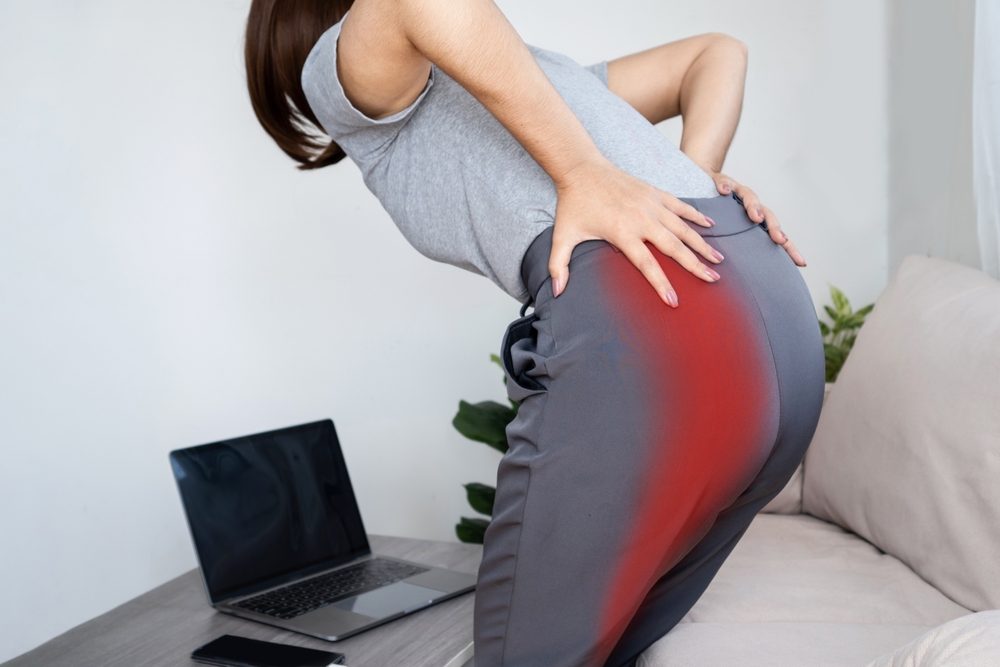
Back pain that worsens when standing or walking can make everyday activities like working, shopping, exercising, and household tasks difficult. While occasional back discomfort may result from muscle strain or poor posture, persistent pain that increases with standing or walking may sometimes indicate an underlying spinal condition. Understanding the possible causes can help you determine when to seek medical advice.

If you regularly experience lower back pain when standing or walking, note when it begins, what makes it better or worse, and whether you have other symptoms.

A qualified Back Pain Specialist in San Antonio can assess your symptoms, identify possible causes, and recommend an appropriate treatment plan based on your individual needs.

At the Brain and Spine Institute of San Antonio, Texas, patients can seek evaluation for back pain and other spinal concerns. Dr. Osama Ahmed can help assess relevant symptoms and discuss appropriate treatment options based on the clinical findings.

What Causes Back Pain to Get Worse When Standing or Walking?

Several factors can make back pain more noticeable when you stand or walk. The cause may involve muscles, joints, discs, nerves, or changes in spinal structure.

  1. Lumbar Spinal Stenosis

Lumbar spinal stenosis occurs when the space within the lower spinal canal narrows, potentially putting pressure on nearby nerves. This condition can develop as the spine changes with age.

People with lumbar spinal stenosis may experience lower back discomfort, leg pain, numbness, tingling, or weakness when standing or walking. Symptoms may improve when sitting or leaning forward because these positions can reduce pressure on certain spinal nerves.

However, not everyone experiences the same symptoms, and other conditions can produce similar discomfort. A medical evaluation can help determine whether spinal stenosis may be contributing to your pain.

  1. Herniated or Bulging Disc

The discs between the vertebrae act as cushions and help the spine move. A herniated disc occurs when part of the disc’s inner material pushes through its outer layer, potentially irritating or compressing nearby nerves.

Depending on its location, a herniated disc may cause lower back pain, pain that travels into the buttock or leg, tingling, or numbness. Some people may have symptoms aggravated by certain movements, prolonged standing, or walking.

Not every herniated disc causes pain. Treatment decisions depend on your symptoms, exam findings, and whether the disc affects nearby nerves.

  1. Muscle Strain and Poor Posture

Muscle strain commonly causes back pain. Lifting heavy objects, sudden movements, repetitive bending, prolonged standing, or returning to physical activity too quickly can strain the muscles and supporting tissues around the spine.

Poor posture and prolonged periods in one position may also contribute to discomfort. For example, standing with uneven weight distribution or frequently bending forward can increase stress on certain muscles and joints.

Muscle-related pain may improve with appropriate activity modification and conservative care. However, pain that persists, worsens, or repeatedly returns should be evaluated by a healthcare professional.

  1. Degenerative Disc Disease

Spinal discs can lose height, hydration, and flexibility over time. These age-related changes are commonly described as degenerative disc disease, although disc degeneration does not always cause symptoms.

When degeneration is associated with pain, discomfort may increase during certain movements, prolonged standing, or activities that place additional stress on the spine.

A clinician can assess whether these changes relate to your symptoms rather than assuming an imaging finding necessarily causes your pain.

  1. Arthritis in the Spine

Osteoarthritis can affect the small joints that help the spine bend and rotate. Changes in these joints may contribute to stiffness, inflammation, and discomfort, particularly during activities that load the spine.

Some people notice their back feels worse after standing for long periods or walking long distances. Others experience stiffness after resting or discomfort during particular movements.

Treatment depends on symptom severity, the joints involved, and any other spinal conditions that may be present.

  1. Spondylolisthesis or Spinal Instability

Spondylolisthesis occurs when one vertebra slips forward relative to the vertebra beneath it. In some cases, this can contribute to back pain, nerve irritation, or symptoms that worsen with standing and walking.

Spinal instability may have different causes, including degenerative changes or a structural defect in part of a vertebra. Not everyone with spondylolisthesis experiences symptoms.

If this condition is suspected, a healthcare professional may recommend an examination and appropriate imaging to assess spinal alignment and determine whether treatment is necessary.

Why Does My Back Hurt When I Stand but Feel Better When I Sit?

Back pain that worsens when you stand and improves when you with can sometimes be associated with lumbar spinal stenosis or other conditions affecting the spinal joints, discs, and nerves.

When you stand upright, your lower spine changes position. For some people, this can increase pressure on sensitive structures or narrow the space available for certain nerves. Sitting or leaning forward may reduce these effects.

Other possible explanations include muscle fatigue, joint irritation, and mechanical back pain.

Pay attention to whether your symptoms occur alongside:

  • Pain that spreads into one or both legs.
  • Numbness or tingling in the legs or feet.
  • Weakness that affects walking or balance.
  • A limited walking distance before pain begins.
  • Stiffness or discomfort after prolonged standing.

These details can help your clinician understand your symptom pattern. If pain consistently limits your ability to stand or walk, arrange a medical assessment instead of relying solely on self-treatment.

When Should You See a Back Pain Specialist in San Antonio?

Occasional back discomfort often improves with time and appropriate self-care. However, you should consider seeking medical attention if your pain persists, repeatedly returns, worsens, or interferes with your daily activities.

Consult a Back Pain Doctor in San Antonio if you experience:

  • Back pain that regularly worsens when standing or walking.
  • Pain that travels from your lower back into your buttocks or legs.
  • Persistent numbness or tingling.
  • Difficulty walking or standing for normal periods.
  • Back pain that disrupts sleep or daily responsibilities.
  • Symptoms that do not improve with appropriate conservative care.

Seek emergency medical care if you develop new difficulty controlling your bladder or bowels, inability to urinate, numbness around the groin or saddle area, or severe or rapidly worsening leg weakness. These can be signs of serious nerve compression that requires urgent assessment.

Back pain accompanied by fever, significant unexplained weight loss, a history of cancer, or pain following a serious injury also warrants prompt medical evaluation.

How Is Back Pain When Standing or Walking Diagnosed?

Diagnosing back pain when standing or walking starts with understanding your symptoms and medical history. A healthcare professional may ask when the pain began, how long you can stand or walk before it develops, whether sitting provides relief, and whether symptoms travel into your legs.

Medical History and Physical Examination

The assessment may include checking your posture, spinal movement, muscle strength, sensation, reflexes, and walking pattern. Your clinician may also assess whether particular movements reproduce or relieve your symptoms.

These findings help determine which conditions may require further investigation.

Imaging Tests

Imaging is not necessary for every episode of back pain. When symptoms, examination findings, or suspected underlying conditions justify further investigation, a clinician may recommend appropriate tests.

  • X-rays: May help assess spinal alignment, certain bone changes, and spondylolisthesis in some cases.
  • MRI scans: Can provide detailed images of spinal discs, nerves, and other soft tissues.
  • CT scans: May be useful for evaluating certain bony structures and complex spinal changes.

Your clinician will determine whether imaging is appropriate and how the findings relate to your symptoms.

What Treatment Options Can Help Relieve Back Pain?

Treatment depends on the cause of the pain, symptom severity, medical history, and how it affects your daily activities. Many people can begin with nonsurgical treatment.

  1. Activity Modification

Temporarily reduce activities that consistently aggravate your symptoms. Avoid prolonged bed rest, and gradually return to comfortable activities as tolerated. Change positions regularly instead of staying in one posture for long periods.

  1. Physical Therapy and Guided Exercises

A physical therapist may recommend exercises to improve flexibility, strength, balance, and spinal support. The exercise plan should be tailored to your condition, especially if standing or walking triggers significant pain.

Stop any activity that substantially worsens your symptoms and seek professional guidance.

  1. Medication

Depending on your medical history and the suspected cause, a healthcare professional may discuss medication to help manage pain or inflammation. Not all medicines suit everyone, and some can cause side effects or interact with other medications.

Ask your clinician or pharmacist before starting a new medicine, particularly if you have other health conditions.

  1. Spinal Injections

In selected cases, a specialist may consider an injection to help manage pain associated with inflammation or nerve irritation. The type of injection, expected benefits, risks, and duration of relief vary according to the underlying condition.

Injections do not correct every structural problem, and their suitability should be determined through an individual clinical assessment.

  1. Surgical Treatment

Surgery may be considered when a clearly identified spinal problem causes significant symptoms and appropriate nonsurgical treatment has not provided sufficient relief, or when particular neurological findings make surgery necessary.

Depending on the diagnosis, procedures may relieve pressure on nerves or stabilize part of the spine. Surgery is not required for most episodes of back pain, and the potential benefits and risks should be discussed with a qualified specialist.

Can You Prevent Back Pain From Getting Worse While Standing or Walking?

Although not every cause of back pain can be prevented, several practical habits may help reduce unnecessary strain on your back.

  • Maintain comfortable posture: Distribute your weight evenly and avoid staying in one position for too long.
  • Take regular movement breaks: Alternate between sitting, standing, and walking as you feel comfortable.
  • Build strength gradually: Follow an appropriate exercise routine that supports your core and back muscles.
  • Use safe lifting techniques: Keep objects close to your body and avoid sudden twisting while lifting.
  • Choose supportive footwear: Comfortable shoes may help you maintain balance and reduce discomfort during prolonged standing.
  • Address persistent symptoms early: Seek advice if pain repeatedly interferes with walking or everyday activities.

These measures may help support back health, but they cannot replace an assessment when symptoms suggest an underlying spinal condition.

Get Expert Guidance for Back Pain in San Antonio, Texas

Back pain that worsens when standing or walking can have several causes, from muscle strain to conditions involving the spinal discs, joints, or nerves. Identifying the cause is an important step toward choosing appropriate treatment and improving your ability to carry out daily activities.

At the Brain and Spine Institute of San Antonio, Texas, Dr. Osama Ahmed can assess your concerns and discuss suitable next steps based on your symptoms and clinical findings.

If back pain limits how long you can stand or walk, don’t ignore persistent or worsening symptoms. Contact the institute to arrange a consultation and learn more about your treatment options.

Call (210) 625-4733 today to contact the Brain and Spine Institute of San Antonio and schedule an appointment to discuss your back pain concerns.

Frequently Asked Questions (FAQs)


  1. Why does my back hurt more when standing or walking?

Back pain that worsens during standing or walking may be related to muscle strain, spinal stenosis, a herniated disc, arthritis, or other spinal conditions. A medical evaluation can help identify the likely cause.

  1. Why does my lower back hurt when I stand but feel better when I sit?

This pattern can occur with lumbar spinal stenosis, which may put pressure on spinal nerves when you stand or walk. Other mechanical back problems can cause similar symptoms, so a proper assessment is important.

  1. Can spinal stenosis cause back pain when walking?

Yes. Lumbar spinal stenosis can cause lower back discomfort, leg pain, numbness, or weakness that develops or worsens during walking or standing. Symptoms and severity vary from person to person.

  1. When should I see a Back Pain Doctor in San Antonio?

Consider seeing a doctor if back pain persists, worsens, returns repeatedly, spreads into your legs, or interferes with everyday activities. New bladder or bowel dysfunction, saddle-area numbness, or severe or rapidly worsening weakness requires emergency medical attention.

  1. What treatments can help back pain that worsens when standing?

Treatment depends on the underlying cause and may include activity modification, physical therapy, appropriate medication, selected spinal injections, or surgery in certain cases. A healthcare professional can help determine the most suitable approach.

  1. Can back pain when standing or walking be prevented?

Maintaining comfortable posture, changing positions regularly, using safe lifting techniques, and following an appropriate exercise routine may help reduce back strain. However, prevention depends on the underlying cause.


Categories
Spine Specialist

Herniated Disc, Sciatica, or Spinal Stenosis? When to Consult a Spine Specialist

Back pain is one of the most common reasons people miss work, skip activities and lose sleep. But not all back pain is the same, and knowing what may be behind your symptoms can help you decide when it’s time to see a spine specialist in Stone Oak, TX. Three of the most common spine conditions are herniated discs, sciatica and spinal stenosis. They can feel similar, but they have different causes and different treatment paths.

This guide explains what each condition is, how to recognize the warning signs and when to seek expert care from the team at Brain and Spine Institute San Antonio, Texas.

Why Your Spine Needs Special Attention

Your spine is a column of bones (vertebrae) cushioned by discs and surrounding the spinal cord and nerve roots. It supports your body, allows you to bend and twist, and protects the nerves that connect your brain to the rest of your body.

Because nerves travel through and exit the spine, a problem in one small area can cause symptoms far from the source. A pinched nerve in your lower back, for example, may cause pain, numbness or weakness in your leg or foot. This is why spine symptoms should not always be dismissed as simple muscle strain.

What Is a Herniated Disc?

Between each vertebra sits a disc with a tough outer layer and a softer, gel-like center. A herniated disc (sometimes called a slipped or ruptured disc) happens when part of that inner material pushes through a weakness in the outer layer. The displaced material can press on nearby nerves and cause pain or other symptoms.

Common Causes

  • Age-related disc wear and dehydration
  • Lifting heavy objects with poor technique
  • Repetitive bending, twisting or vibration
  • Sudden injury or trauma
  • Excess body weight and a sedentary lifestyle
  • Genetic factors

Common Symptoms

  • Sharp, burning or aching pain in the back or neck
  • Pain that radiates into an arm or leg
  • Numbness or tingling in the arms, hands, legs or feet
  • Muscle weakness
  • Pain that worsens with sitting, coughing or certain movements

Symptoms depend on where the herniation occurs. A lumbar (lower back) herniation often affects the leg, while a cervical (neck) herniation may affect the shoulder, arm or hand.

What Is Sciatica?

Sciatica is not a diagnosis on its own. It describes pain that follows the path of the sciatic nerve, which runs from the lower back through the hips and buttocks and down each leg. It is usually a symptom of an underlying problem that irritates or compresses the nerve.

What Causes Sciatica?

  • A herniated or bulging lumbar disc
  • Spinal stenosis
  • Bone spurs
  • Spondylolisthesis, where one vertebra slips over another
  • Piriformis syndrome, where a buttock muscle irritates the nerve
  • Injury or, less commonly, tumors or infection

Typical Sciatica Symptoms

  • Pain traveling from the lower back or buttock down one leg
  • A burning, shooting or electric sensation
  • Tingling, “pins and needles” or numbness in the leg or foot
  • Leg weakness
  • Discomfort that worsens with prolonged sitting, standing or sneezing

Sciatica most often affects one side of the body. Many cases improve with conservative care, but persistent or severe symptoms deserve a proper evaluation to identify the true cause.

What Is Spinal Stenosis?

Spinal stenosis is a narrowing of the spaces within the spine, which can put pressure on the spinal cord or nerve roots. It most commonly develops gradually with age as discs lose height, joints develop arthritis, ligaments thicken and bone spurs form. It can occur in the neck (cervical stenosis) or lower back (lumbar stenosis).

Common Symptoms

  • Pain or cramping in the legs when standing or walking
  • Relief when sitting or leaning forward, such as over a shopping cart
  • Numbness or tingling in the legs, feet, arms or hands
  • Weakness or heaviness in the legs
  • Balance problems or difficulty with fine hand movements (in cervical stenosis)

Unlike a herniated disc, which can strike suddenly, spinal stenosis symptoms often build slowly over months or years. People sometimes assume they are just “getting older” and delay seeking help, even though treatment options may be available.

Herniated Disc vs. Sciatica vs. Spinal Stenosis: How Do They Differ?

Condition What It Is Typical Pattern
Herniated disc Disc material pressing on a nerve Often sudden; pain may radiate into an arm or leg
Sciatica Pain along the sciatic nerve (a symptom) Usually one leg; may be caused by a disc or stenosis
Spinal stenosis Narrowing of the spinal canal or nerve openings Gradual; leg symptoms with walking, eased by sitting


These conditions can also overlap. A herniated disc can cause sciatica, and a person can have stenosis and a disc problem at the same time. That is why an accurate diagnosis matters.

When Should You Consult a Spine Specialist?

Not every backache needs a specialist, and many minor episodes settle within a few weeks. But you should consider booking an appointment if you notice any of the following:

  • Pain lasting more than a few weeks despite rest, over-the-counter medication and gentle activity
  • Pain that radiates into your legs, arms, hands or feet
  • Numbness, tingling or weakness in a limb
  • Symptoms that interfere with sleep, work or daily activities
  • Pain after an injury, fall or accident
  • Recurring episodes that keep returning
  • Difficulty standing or walking for long periods

Seek Emergency Care Immediately If You Experience:

  • Loss of bladder or bowel control
  • Numbness in the groin or inner thighs (saddle area)
  • Sudden, severe or rapidly worsening leg weakness
  • Back pain with fever, unexplained weight loss or a history of cancer
  • Severe pain following significant trauma

These can signal serious conditions such as cauda equina syndrome that need urgent medical attention. Do not wait for a routine appointment.

What Happens at a Spine Specialist Appointment?

Knowing what to expect can ease any nerves about your first visit. A typical evaluation may include:

  1. A detailed history. Your specialist will ask when symptoms began, what makes them better or worse and how they affect your daily life.
  2. A physical and neurological exam. This checks your posture, range of motion, strength, reflexes and sensation.
  3. Imaging when appropriate. An MRI, CT scan or X-ray may be recommended to see the spine’s structures clearly. Other tests, such as nerve studies, may be used in some cases.
  4. A clear explanation. You should leave understanding what is happening and what your options are.
  5. A personalized plan. Treatment should reflect your diagnosis, goals and lifestyle.

Treatment Options for Herniated Disc, Sciatica and Spinal Stenosis

Many people are relieved to learn that surgery is not the first step for most spine conditions. Treatment typically begins with conservative options and progresses only if needed.

Non-Surgical Treatments

  • Physical therapy to strengthen supporting muscles, improve flexibility and correct movement patterns
  • Activity modification and ergonomic changes
  • Anti-inflammatory or other medications, as appropriate for each patient
  • Targeted injections, such as epidural steroid injections, to calm inflamed nerves and support rehabilitation
  • Lifestyle changes, including weight management, regular low-impact exercise and smoking cessation

Many herniated disc and sciatica cases improve with these approaches over time.

When Surgery May Be Considered

Surgery may be discussed if:

  • Symptoms persist or worsen despite appropriate conservative care
  • Pain or weakness significantly limits your quality of life
  • Imaging confirms nerve compression matching your symptoms
  • There are signs of progressive nerve damage or serious complications

Depending on your condition, a spine surgeon may discuss procedures such as microdiscectomy, decompression or other techniques. Many can be performed using minimally invasive methods, which may mean smaller incisions and faster recovery for suitable patients. Whether surgery is right for you depends on your diagnosis, your health and your goals, and it is always a shared decision.

Why Seeing a Specialist Early Matters

It is tempting to wait and hope pain disappears, and sometimes it does. But early evaluation has real benefits:

  • Accurate diagnosis. You learn what is really causing your symptoms.
  • Earlier relief. Starting the right treatment sooner may help you recover more comfortably.
  • Protection against nerve damage. Prolonged nerve compression can sometimes lead to lasting weakness or numbness.
  • Peace of mind. Knowing your options reduces worry and uncertainty.

Tips to Support Your Spine Health

Whatever your diagnosis, healthy habits can help:

  • Move regularly and avoid sitting for long periods
  • Practice good posture at your desk and when driving
  • Lift with your legs, not your back
  • Strengthen your core and back muscles
  • Maintain a healthy weight
  • Sleep on a supportive mattress
  • Stay hydrated and avoid smoking

Find a Spine Specialist in Stone Oak, TX

If back pain, leg pain or numbness is affecting your life, you do not have to figure it out alone. Brain and Spine Institute San Antonio, Texas provides evaluation and care for herniated discs, sciatica, spinal stenosis and other spine conditions, serving patients in Stone Oak, San Antonio, New Braunfels, Boerne, Schertz and surrounding communities.

Whether you are looking for a spine doctor, a back pain specialist or a spine surgeon to discuss your options, our team is here to listen, explain and guide you toward the right next step.

Call (210) 625-4733 today to schedule your consultation.

Frequently Asked Questions (FAQs)

  1. When should I see a spine specialist for back pain?

Consider seeing one if pain lasts more than a few weeks, spreads into your arms or legs or comes with numbness, tingling or weakness. Seek emergency care for loss of bladder or bowel control or sudden severe weakness.

  1. How do I know if my pain is a herniated disc, sciatica or spinal stenosis?

The symptoms overlap, so it is hard to tell on your own. A spine specialist uses your history, a physical exam, and often imaging such as an MRI to find the cause. Sciatica, for example, can be caused by a herniated disc or by stenosis.

  1. Is sciatica a serious condition?

Sciatica is often temporary and improves with conservative care. However, it can signal an underlying spine problem and persistent, severe or worsening symptoms- especially with weakness- should be evaluated.

  1. Will I need surgery for a herniated disc or spinal stenosis?

Not usually. Many patients improve with physical therapy, medication, injections and lifestyle changes. Surgery is generally considered only when conservative treatment has not helped or when there are signs of significant nerve compression.

  1. What is the difference between a spine doctor and a spine surgeon?

The terms overlap. A spine specialist evaluates and treats spine conditions, often starting with non-surgical care. A spine surgeon is trained to perform operations if surgery becomes appropriate. Many patients start with a consultation to understand all of their options.

  1. Do I need an MRI before my first appointment?

Not necessarily. Your specialist will decide whether imaging is needed after examining you. If you already have recent scans, bring them along.

  1. How do I schedule a consultation at Brain and Spine Institute San Antonio, Texas?

Call (210) 625-4733 to book an appointment or ask any questions.

Categories
Spine Specialist

What Are the Signs You Need to See a Spine Surgeon in San Antonio, TX?


Back and neck pain are among the most common reasons people visit a doctor, and most episodes resolve with rest, time, and simple self-care. But some symptoms are different. They linger, worsen, or come with warning signs that point to a deeper problem in the spine. Knowing when to see a spine surgeon can protect your nerves, your mobility, and your quality of life.

If you live in San Antonio and you’re wondering whether your pain is “normal” or something more serious, this guide walks through the most important warning signs. It also explains what a spine surgeon actually does, and why seeing one doesn’t automatically mean surgery.

What Does a Spine Surgeon Do?

A spine surgeon is a physician with advanced training in diagnosing and treating conditions of the spine, including the vertebrae, discs, spinal cord, and surrounding nerves. Many people assume a spine surgeon only operates, but that’s a common misconception.

A good spine specialist in San Antonio, TX starts with a thorough evaluation: your history, a physical and neurological exam, and often imaging such as an X-ray or MRI. From there, the focus is on finding the least invasive path to relief. For most patients, that means conservative care first. Surgery enters the conversation only when it is likely to help, and other options haven’t worked, or when a condition is urgent.

1. Pain That Lasts Longer Than Six to Twelve Weeks

Acute back pain from a strain or awkward lift typically improves within a few weeks. If your pain persists beyond six to twelve weeks despite rest, over-the-counter medication, stretching, or physical therapy, it’s time for a specialist’s opinion.

Chronic pain is more than an inconvenience. It can disrupt sleep, limit work, and affect your mood. Persistent symptoms often signal a structural problem, such as a degenerated disc, spinal stenosis, or a spinal misalignment, that won’t resolve on its own. A back pain doctor in San Antonio, TX can pinpoint the source rather than leaving you to manage symptoms indefinitely.

2. Pain That Radiates Into Your Arms or Legs

Pain that travels is a classic sign of nerve involvement. Examples include:

  • Shooting pain from the lower back down the buttock and leg (often called sciatica)
  • Pain that runs from the neck into the shoulder, arm, or hand
  • Burning, electric, or “zinging” sensations along a limb

This usually means a nerve root is being compressed or irritated, often by a herniated disc or bone spurs. Left untreated, prolonged nerve compression can lead to lasting damage. If radiating pain keeps returning or isn’t improving, schedule an evaluation.

3. Numbness, Tingling, or “Pins and Needles”

Occasional tingling after sitting in an awkward position is normal. Numbness or tingling that is constant, recurring, or spreading is not. These sensations in your hands, arms, feet, or legs can indicate that nerves are being pinched somewhere along the spine.

A neck pain specialist in San Antonio, TX can determine whether symptoms like hand numbness or dropping objects stem from the cervical spine rather than from a problem in the hand or wrist, which are often confused.

4. Muscle Weakness in Your Limbs

Weakness is a more serious sign than pain alone because it suggests a nerve isn’t sending signals properly. Warning signs include:

  • Difficulty gripping or holding objects
  • A foot that drags or “slaps” when you walk (foot drop)
  • Legs that feel like they might give out
  • Trouble climbing stairs or rising from a chair

Progressive weakness should not be ignored. The sooner nerve compression is addressed, the better the chance of recovery.

5. Neck Pain With Headaches, Dizziness, or Arm Symptoms

Neck pain that comes with frequent headaches, stiffness that limits turning your head, or symptoms spreading into the arms may point to cervical disc disease or spinal stenosis in the neck. While many neck problems are muscular and temporary, recurring or worsening symptoms deserve a closer look from a specialist who understands the delicate structures of the cervical spine.

6. Pain That Worsens at Night or With Rest

Most mechanical back pain eases when you rest. Pain that intensifies at night, wakes you from sleep, or doesn’t improve when you lie down can be a red flag. While it can be related to disc or joint problems, it is occasionally associated with more serious conditions such as infection, fracture, or tumor, and it should be evaluated promptly.

7. Pain After an Accident, Fall, or Injury

If back or neck pain begins after a car accident, sports injury, or fall, don’t wait to see if it fades. Fractures, ligament injuries, and disc damage aren’t always obvious right away. Early evaluation helps rule out instability and prevents a treatable injury from becoming a chronic problem.

8. Difficulty Standing or Walking for Long Periods

If you find yourself needing to lean forward on a shopping cart, sit down after a short walk, or stop frequently because your legs feel heavy, achy, or weak, you may have spinal stenosis. This condition, a narrowing of the spinal canal, is common with age and often responds well to treatment when caught in time.

9. Emergency Warning Signs: Seek Care Immediately

Some symptoms require urgent attention. Go to the emergency room or call 911 if you experience:

  • Sudden loss of bladder or bowel control
  • Numbness in the groin or inner thighs (saddle anesthesia)
  • Rapidly worsening leg weakness
  • Severe back pain with fever, or unexplained weight loss
  • Severe pain following significant trauma

These can be signs of cauda equina syndrome or another serious spinal emergency, which can cause permanent damage without prompt treatment.

10. Conservative Treatments Haven’t Worked

Perhaps the clearest sign it’s time to see a spine surgeon is that you’ve already tried the basics, and you’re still hurting. If weeks or months of physical therapy, medication, activity changes, or injections haven’t provided meaningful relief, a specialist can reassess your diagnosis and discuss what comes next.

Seeing a Spine Surgeon Doesn’t Mean You’ll Need Surgery

Many people delay care because they fear being rushed into an operation. In reality, most patients who visit a spine surgeon are treated without surgery. A thoughtful consultation typically explores non-surgical treatment for back pain first, such as:

  • Physical therapy and targeted exercise to strengthen supporting muscles and improve flexibility
  • Anti-inflammatory medications to reduce swelling and discomfort
  • Epidural steroid injections to calm inflamed nerves
  • Activity modification and ergonomic changes to reduce daily strain
  • Weight management and lifestyle adjustments to lessen pressure on the spine

For conditions like herniated disc treatment in San Antonio, TX, many discs improve with conservative care over time, and symptoms often resolve without an operation.

When Are Spine Surgery Options Considered?

When conservative care doesn’t provide enough relief, or when a condition threatens nerve function, spine surgery options in San Antonio, TX may be discussed. Depending on your diagnosis, these may include:

  • Microdiscectomy to remove the portion of a herniated disc pressing on a nerve
  • Laminectomy or decompression surgery to relieve pressure from spinal stenosis
  • Spinal fusion to stabilize unstable or painful spinal segments
  • Minimally invasive procedures that use smaller incisions, which may mean less tissue disruption and, for suitable candidates, a faster recovery

Not every procedure is right for every patient. The right recommendation depends on your imaging, your symptoms, your overall health, and your goals. A trustworthy surgeon will explain the benefits, risks, and alternatives so you can make an informed decision.

What to Expect at Your First Appointment

Knowing what happens at a first visit can make it easier to take the step. You can generally expect:

  1. A conversation about your symptoms, including when they started, what makes them better or worse, and how they affect your daily life.
  2. A physical and neurological exam to check strength, reflexes, sensation, and range of motion.
  3. Imaging review. If you have recent X-rays, MRIs, or CT scans, bring them. Additional imaging may be ordered if needed.
  4. A clear explanation of your diagnosis in plain language.
  5. A personalized treatment plan that outlines your options, starting with the least invasive approaches.

Don’t Wait Until the Pain Takes Over

Spine problems rarely fix themselves when nerves are involved. Waiting too long can turn a manageable condition into a more complicated one, while early evaluation often opens the door to simpler, less invasive treatment. If any of the signs above sound familiar, trust your instincts and get answers.

Take the Next Step Toward Relief

You don’t have to live with pain that keeps you from the things you love. If you’ve been struggling with persistent back or neck pain, numbness, or weakness, a consultation with Dr. Osama Ahmed at Brain and Spine Institute San Antonio, Texas can give you clarity, a clear diagnosis, and a treatment plan built around your needs, whether that means conservative care or exploring surgical options.

Call (210) 625-4733 today to book your appointment or schedule a consultation. Your spine health is too important to put off.

Frequently Asked Questions (FAQs)

1. When should I see a spine surgeon for back pain?

See a spine surgeon if your back pain lasts longer than six to twelve weeks, radiates into your legs, or comes with numbness, tingling, or weakness. Seek care right away if you notice bowel or bladder changes or sudden, severe weakness.

2. Do I need a referral to see a spine specialist in San Antonio, TX?

Requirements vary by insurance plan. Some plans require a referral from a primary care doctor, while others allow you to schedule directly. Call the office at (210) 625-4733, and the team can help you understand what your plan requires.

3. Will I automatically need surgery if I see a spine surgeon?

No. Most patients are first treated with non-surgical options such as physical therapy, medication, and injections. Surgery is recommended only when it is likely to provide meaningful benefit or when a condition is urgent.

4. What’s the difference between a back pain doctor and a spine surgeon?

A back pain doctor may be a primary care physician, physiatrist, or pain management specialist who focuses on non-surgical care. A spine surgeon is trained in both non-surgical treatment and surgical procedures so that they can guide you across the full range of options.

5. Can a herniated disc heal without surgery?

Often, yes. Many herniated discs improve over weeks to months with conservative treatment. Surgery is typically considered when symptoms persist, significantly limit daily function, or involve progressive nerve damage.

6. What symptoms mean my neck pain is serious?

Neck pain accompanied by arm weakness, numbness in the hands, difficulty with balance or coordination, or pain following trauma warrants prompt evaluation by a neck pain specialist.

7. How do I know if my condition is an emergency?

Sudden loss of bladder or bowel control, numbness in the groin or inner thighs, rapidly worsening weakness, or severe pain with fever are emergency signs. Go to the ER or call 911 immediately.

8. What should I bring to my first appointment?

Bring your photo ID, insurance card, a list of current medications, any prior imaging (X-rays, MRI, CT), and notes about your symptoms and past treatments.


Categories
Spine Specialist

Understanding Sciatica Pain: Causes, Symptoms, and Effective Relief Options

If a sharp, burning pain runs from your lower back down through your leg, you may be dealing with sciatica. It can make sitting, standing, and sleeping uncomfortable. The good news is that most cases improve with the right care, and the right sciatica treatment in Schertz TX can help you find lasting relief rather than simply masking the pain. In this guide, we explain what sciatica is, what causes it, how to recognize the symptoms, and which relief options are available.

What Is Sciatica?

Sciatica is not a diagnosis in itself. It describes a set of symptoms caused by irritation or compression of the sciatic nerve, the longest and thickest nerve in the body. The sciatic nerve begins in the lower spine, passes through the buttock, and travels down the back of each leg to the foot.

When something presses on or inflames this nerve, or on the nerve roots that form it, the pain can travel along its entire path. Sciatica usually affects only one side of the body, though in rare cases both legs are involved.

Common Causes of Sciatica

Understanding the underlying cause matters because treatment works best when it targets the source of the problem. The most common causes include:

Herniated or bulging disc. The discs between your vertebrae act as cushions. When the soft inner material pushes through the outer layer, it can press on a nearby nerve root. This is one of the most frequent causes of sciatica.

Spinal stenosis. This is a narrowing of the spinal canal or the openings where nerves exit the spine. It is more common in adults over 50 and can squeeze the nerves that form the sciatic nerve.

Degenerative disc disease. As we age, discs lose hydration and height. This can lead to instability and nerve irritation in the lower spine.

Spondylolisthesis. This occurs when one vertebra slips forward over the one below it, narrowing the space available for nerves.

Piriformis syndrome. The piriformis is a small muscle deep in the buttock. If it tightens or spasms, it can irritate the sciatic nerve running beneath or through it.

Injury or trauma. A fall, car accident, or sports injury can damage the spine or surrounding tissue and trigger sciatic pain.

Other causes. Less often, bone spurs, tumors, infections, or conditions such as diabetes that damage nerves can contribute.

Risk Factors You Should Know About

Anyone can develop sciatica, but certain factors raise your risk:

  • Age: Spinal changes like herniated discs and bone spurs become more common with age.
  • Excess weight: Extra body weight places more stress on the spine.
  • Prolonged sitting: Sitting for long periods, especially with poor posture, can strain the lower back.
  • Physically demanding work: Heavy lifting, twisting, or driving for long stretches can increase risk.
  • Sedentary lifestyle: Weak core and back muscles provide less support for the spine.
  • Smoking: Nicotine can weaken spinal discs and slow healing.
  • Diabetes: High blood sugar can increase the risk of nerve damage.

Symptoms of Sciatica

Sciatica symptoms vary from person to person. Some people feel a mild ache, while others experience severe, disabling pain. Common signs include:

  • Pain that starts in the lower back or buttock and radiates down the back of one leg
  • A sharp, shooting, or burning sensation rather than a dull ache
  • Numbness or tingling in the leg or foot, often described as “pins and needles”
  • Muscle weakness in the affected leg or foot
  • Pain that worsens when sitting, coughing, sneezing, or bending forward
  • Difficulty standing up or walking comfortably

Pain often follows a predictable path, which helps doctors identify which nerve root is involved. Symptoms may come and go, or they may persist for weeks.

When to See a Sciatica Specialist

Mild sciatica often improves within a few weeks with rest, gentle movement, and self-care. However, you should not ignore symptoms that linger or intensify. Consider seeing a sciatica specialist in Schertz TX if:

  • Your pain lasts longer than a week or two without improvement
  • The pain is severe or interferes with daily activities and sleep
  • You notice increasing leg weakness or numbness
  • Pain returns repeatedly
  • Home remedies are no longer helping

Seek emergency care immediately if you experience sudden loss of bowel or bladder control, numbness in the groin or inner thighs, or severe weakness in both legs. These can be signs of cauda equina syndrome, a serious condition that requires urgent treatment.

How Sciatica Is Diagnosed

An accurate diagnosis is the foundation of effective treatment. A spine specialist will typically begin with a detailed medical history and physical examination, checking your reflexes, muscle strength, sensation, and range of motion. Specific movements, such as lifting your leg while lying down, may help reproduce your symptoms.

If more information is needed, your doctor may recommend imaging studies such as X-rays, MRI, or CT scans to identify the exact source of nerve compression. In some cases, nerve conduction studies may be used to assess how well the nerve is functioning.

Effective Sciatica Relief Options

Treatment depends on the cause, severity, and duration of your symptoms. Most people start with conservative options, and more advanced care is considered only when needed.

Self-Care and Home Remedies

For recent, mild symptoms, these steps may offer relief:

  • Stay gently active. Prolonged bed rest can make stiffness worse. Short walks and light movement are usually better.
  • Apply cold and heat. Cold packs can help reduce inflammation in the first few days, and heat may relax tight muscles afterward.
  • Practice good posture. Support your lower back when sitting and avoid slouching.
  • Avoid aggravating activities. Hold off on heavy lifting and repeated twisting while symptoms are active.

Physical Therapy and Exercise

A structured physical therapy program is a cornerstone of sciatica care. A therapist can teach stretching and strengthening exercises that take pressure off the nerve, improve flexibility, and build core strength to support your spine. Over time, this also helps lower the risk of recurrence.

Medications

Over-the-counter anti-inflammatory medications may ease mild to moderate pain. For more significant symptoms, a physician may prescribe muscle relaxants or other medications to manage nerve pain. Always talk to your doctor before starting any medication, especially if you have other health conditions.

Epidural Steroid Injections

When pain is persistent, an epidural steroid injection can deliver anti-inflammatory medication directly around the irritated nerve root. This may provide temporary relief that creates a window for physical therapy and recovery.

Minimally Invasive Surgical Options

Surgery is typically considered only when conservative treatments have not worked, or when there is progressive weakness or serious nerve compression. Procedures such as microdiscectomy or decompression are designed to remove the material pressing on the nerve. Modern minimally invasive techniques use smaller incisions, which may mean less tissue disruption and a faster recovery than traditional open surgery.

Choosing the Right Sciatica Specialist

Not all back pain is the same, and neither is all sciatica. When looking for a specialist, consider:

  • Experience with spine conditions: A specialist who focuses on the brain and spine can accurately pinpoint the source of nerve compression.
  • A full range of treatment options: The best care plan starts conservatively and escalates only when it makes sense.
  • Personalized care: Your treatment should match your symptoms, lifestyle, and goals.
  • Clear communication: You should feel informed and comfortable at every step.

At Brain and Spine Institute, patients receive a thorough evaluation and a treatment plan built around their individual needs, so they can return to the activities they enjoy.

Preventing Sciatica and Protecting Your Spine

While not every case can be prevented, these habits can reduce your risk and help prevent flare-ups:

  • Exercise regularly. Core-strengthening and low-impact activities like walking or swimming support spinal health.
  • Lift correctly. Bend at the knees, keep the load close to your body, and avoid twisting.
  • Maintain a healthy weight. This reduces strain on your lower back.
  • Take breaks from sitting. Stand up and move at least once an hour.
  • Set up an ergonomic workspace. Use a chair with good lumbar support and keep your screen at eye level.
  • Quit smoking. This supports disc health and healing.

Find Relief With Brain and Spine Institute

Living with sciatica does not have to mean living with constant pain. Whether your symptoms started recently or have lingered for months, understanding the cause is the first step toward feeling better. If you are searching for sciatica treatment in Schertz TX or a trusted sciatica specialist in Schertz TX, the team at Brain and Spine Institute is here to help you move forward with a clear, personalized plan.

Call (210) 625-4733 today to schedule your consultation with Brain and Spine Institute.

Frequently Asked Questions (FAQs)

1. How long does sciatica usually last?

Many cases of acute sciatica improve within four to six weeks with conservative care. However, symptoms can last longer or return, particularly if the underlying cause, such as a herniated disc or stenosis, is not addressed. If pain persists beyond a few weeks, it is wise to see a specialist.

2. Can sciatica go away on its own?

Mild sciatica often resolves on its own with gentle activity, self-care, and time. If your symptoms are severe, getting worse, or lasting more than a couple of weeks, professional evaluation is recommended to prevent further nerve irritation.

3. What is the best treatment for sciatica?

There is no single best treatment, because the right approach depends on the cause and severity of your condition. Physical therapy, medication, injections, and in select cases minimally invasive surgery are all options. A specialist can recommend the plan that fits you best.

4. Is walking good for sciatica?

For most people, gentle walking is helpful. It promotes blood flow and prevents stiffness. If walking significantly worsens your pain, stop and consult your doctor.

5. When is sciatica considered an emergency?

Seek emergency care right away if you have sudden loss of bladder or bowel control, numbness in the groin or inner thighs, or severe weakness in both legs. These may indicate cauda equina syndrome.

6. Do I need surgery for sciatica?

Most people do not. The majority of cases improve with non-surgical care. Surgery is generally reserved for cases with severe or worsening symptoms, significant weakness, or pain that does not respond to other treatments.