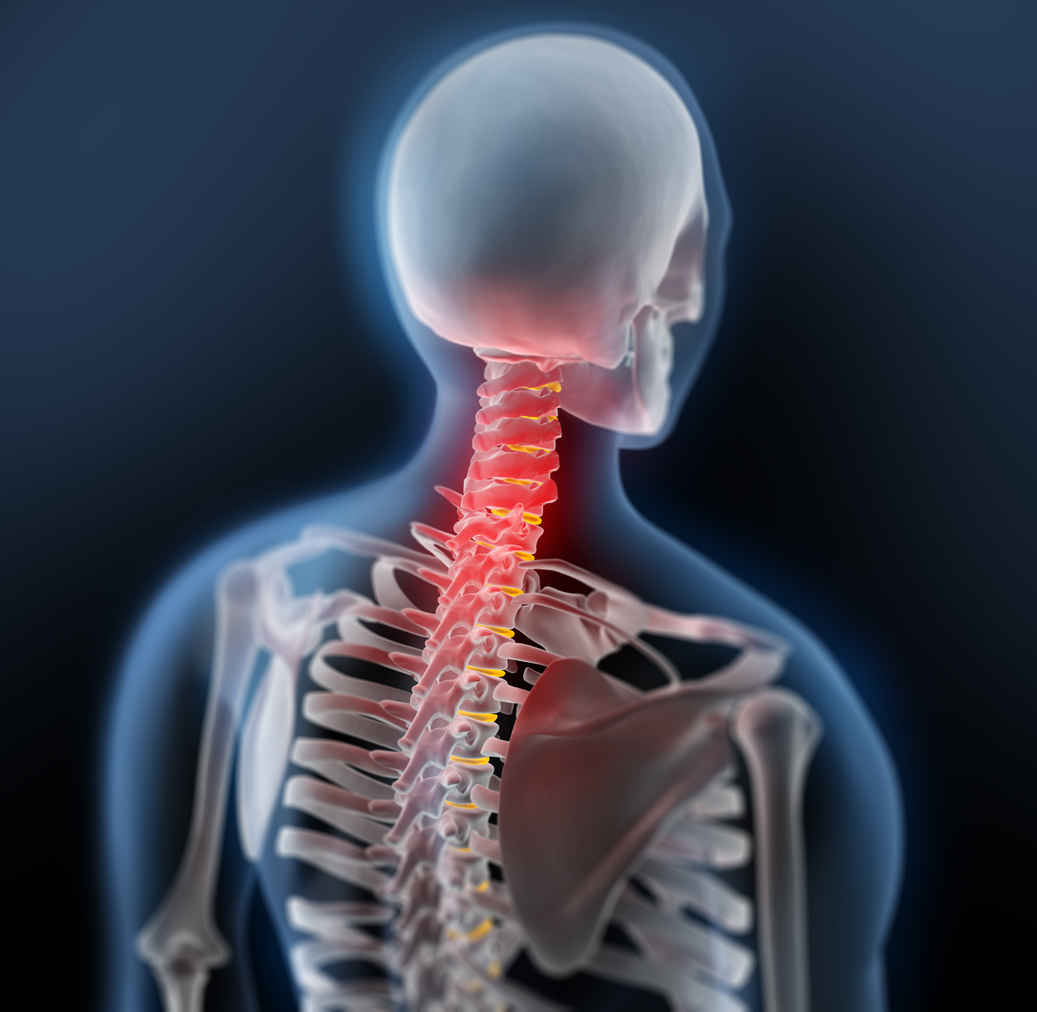
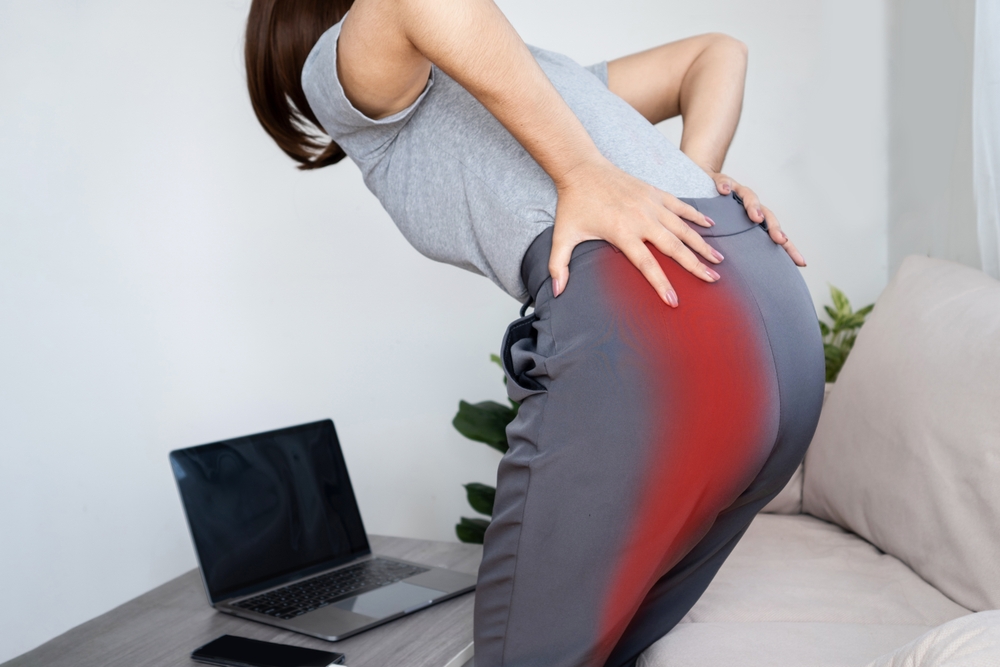
If a sharp, burning pain runs from your lower back down through your leg, you may be dealing with sciatica. It can make sitting, standing, and sleeping uncomfortable. The good news is that most cases improve with the right care, and the right sciatica treatment in Schertz TX can help you find lasting relief rather than simply masking the pain. In this guide, we explain what sciatica is, what causes it, how to recognize the symptoms, and which relief options are available.
What Is Sciatica?
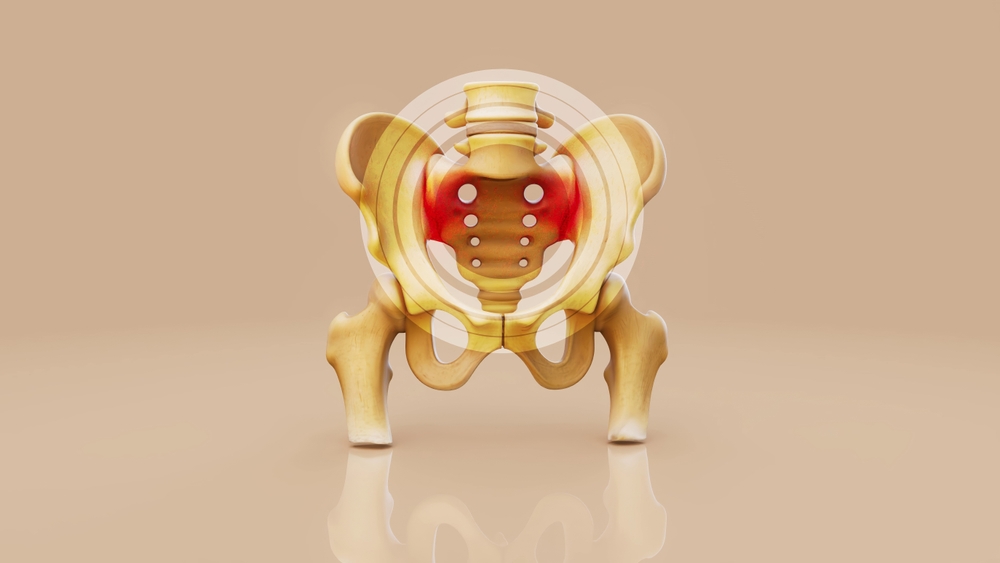
Sciatica is not a diagnosis in itself. It describes a set of symptoms caused by irritation or compression of the sciatic nerve, the longest and thickest nerve in the body. The sciatic nerve begins in the lower spine, passes through the buttock, and travels down the back of each leg to the foot.
When something presses on or inflames this nerve, or on the nerve roots that form it, the pain can travel along its entire path. Sciatica usually affects only one side of the body, though in rare cases both legs are involved.
Common Causes of Sciatica
Understanding the underlying cause matters because treatment works best when it targets the source of the problem. The most common causes include:
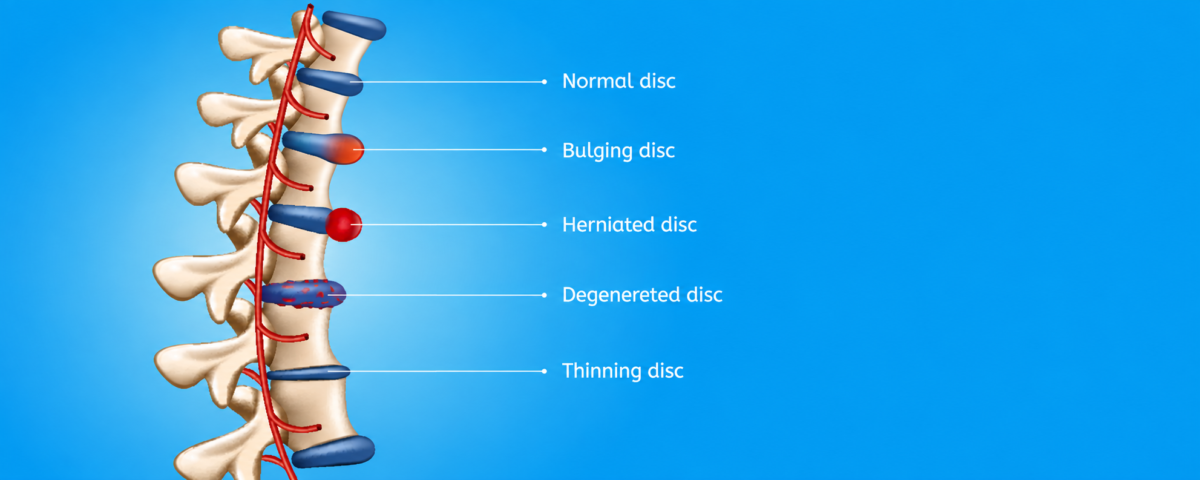
Herniated or bulging disc. The discs between your vertebrae act as cushions. When the soft inner material pushes through the outer layer, it can press on a nearby nerve root. This is one of the most frequent causes of sciatica.
Spinal stenosis. This is a narrowing of the spinal canal or the openings where nerves exit the spine. It is more common in adults over 50 and can squeeze the nerves that form the sciatic nerve.
Degenerative disc disease. As we age, discs lose hydration and height. This can lead to instability and nerve irritation in the lower spine.
Spondylolisthesis. This occurs when one vertebra slips forward over the one below it, narrowing the space available for nerves.
Piriformis syndrome. The piriformis is a small muscle deep in the buttock. If it tightens or spasms, it can irritate the sciatic nerve running beneath or through it.
Injury or trauma. A fall, car accident, or sports injury can damage the spine or surrounding tissue and trigger sciatic pain.
Other causes. Less often, bone spurs, tumors, infections, or conditions such as diabetes that damage nerves can contribute.
Risk Factors You Should Know About
Anyone can develop sciatica, but certain factors raise your risk:
- Age: Spinal changes like herniated discs and bone spurs become more common with age.
- Excess weight: Extra body weight places more stress on the spine.
- Prolonged sitting: Sitting for long periods, especially with poor posture, can strain the lower back.
- Physically demanding work: Heavy lifting, twisting, or driving for long stretches can increase risk.
- Sedentary lifestyle: Weak core and back muscles provide less support for the spine.
- Smoking: Nicotine can weaken spinal discs and slow healing.
- Diabetes: High blood sugar can increase the risk of nerve damage.
Symptoms of Sciatica
Sciatica symptoms vary from person to person. Some people feel a mild ache, while others experience severe, disabling pain. Common signs include:
- Pain that starts in the lower back or buttock and radiates down the back of one leg
- A sharp, shooting, or burning sensation rather than a dull ache
- Numbness or tingling in the leg or foot, often described as “pins and needles”
- Muscle weakness in the affected leg or foot
- Pain that worsens when sitting, coughing, sneezing, or bending forward
- Difficulty standing up or walking comfortably
Pain often follows a predictable path, which helps doctors identify which nerve root is involved. Symptoms may come and go, or they may persist for weeks.
When to See a Sciatica Specialist
Mild sciatica often improves within a few weeks with rest, gentle movement, and self-care. However, you should not ignore symptoms that linger or intensify. Consider seeing a sciatica specialist in Schertz TX if:
- Your pain lasts longer than a week or two without improvement
- The pain is severe or interferes with daily activities and sleep
- You notice increasing leg weakness or numbness
- Pain returns repeatedly
- Home remedies are no longer helping
Seek emergency care immediately if you experience sudden loss of bowel or bladder control, numbness in the groin or inner thighs, or severe weakness in both legs. These can be signs of cauda equina syndrome, a serious condition that requires urgent treatment.
How Sciatica Is Diagnosed
An accurate diagnosis is the foundation of effective treatment. A spine specialist will typically begin with a detailed medical history and physical examination, checking your reflexes, muscle strength, sensation, and range of motion. Specific movements, such as lifting your leg while lying down, may help reproduce your symptoms.
If more information is needed, your doctor may recommend imaging studies such as X-rays, MRI, or CT scans to identify the exact source of nerve compression. In some cases, nerve conduction studies may be used to assess how well the nerve is functioning.
Effective Sciatica Relief Options
Treatment depends on the cause, severity, and duration of your symptoms. Most people start with conservative options, and more advanced care is considered only when needed.
Self-Care and Home Remedies
For recent, mild symptoms, these steps may offer relief:
- Stay gently active. Prolonged bed rest can make stiffness worse. Short walks and light movement are usually better.
- Apply cold and heat. Cold packs can help reduce inflammation in the first few days, and heat may relax tight muscles afterward.
- Practice good posture. Support your lower back when sitting and avoid slouching.
- Avoid aggravating activities. Hold off on heavy lifting and repeated twisting while symptoms are active.
Physical Therapy and Exercise
A structured physical therapy program is a cornerstone of sciatica care. A therapist can teach stretching and strengthening exercises that take pressure off the nerve, improve flexibility, and build core strength to support your spine. Over time, this also helps lower the risk of recurrence.
Medications
Over-the-counter anti-inflammatory medications may ease mild to moderate pain. For more significant symptoms, a physician may prescribe muscle relaxants or other medications to manage nerve pain. Always talk to your doctor before starting any medication, especially if you have other health conditions.
Epidural Steroid Injections
When pain is persistent, an epidural steroid injection can deliver anti-inflammatory medication directly around the irritated nerve root. This may provide temporary relief that creates a window for physical therapy and recovery.
Minimally Invasive Surgical Options
Surgery is typically considered only when conservative treatments have not worked, or when there is progressive weakness or serious nerve compression. Procedures such as microdiscectomy or decompression are designed to remove the material pressing on the nerve. Modern minimally invasive techniques use smaller incisions, which may mean less tissue disruption and a faster recovery than traditional open surgery.
Choosing the Right Sciatica Specialist
Not all back pain is the same, and neither is all sciatica. When looking for a specialist, consider:
- Experience with spine conditions: A specialist who focuses on the brain and spine can accurately pinpoint the source of nerve compression.
- A full range of treatment options: The best care plan starts conservatively and escalates only when it makes sense.
- Personalized care: Your treatment should match your symptoms, lifestyle, and goals.
- Clear communication: You should feel informed and comfortable at every step.
At Brain and Spine Institute, patients receive a thorough evaluation and a treatment plan built around their individual needs, so they can return to the activities they enjoy.
Preventing Sciatica and Protecting Your Spine
While not every case can be prevented, these habits can reduce your risk and help prevent flare-ups:
- Exercise regularly. Core-strengthening and low-impact activities like walking or swimming support spinal health.
- Lift correctly. Bend at the knees, keep the load close to your body, and avoid twisting.
- Maintain a healthy weight. This reduces strain on your lower back.
- Take breaks from sitting. Stand up and move at least once an hour.
- Set up an ergonomic workspace. Use a chair with good lumbar support and keep your screen at eye level.
- Quit smoking. This supports disc health and healing.
Find Relief With Brain and Spine Institute
Living with sciatica does not have to mean living with constant pain. Whether your symptoms started recently or have lingered for months, understanding the cause is the first step toward feeling better. If you are searching for sciatica treatment in Schertz TX or a trusted sciatica specialist in Schertz TX, the team at Brain and Spine Institute is here to help you move forward with a clear, personalized plan.
Call (210) 625-4733 today to schedule your consultation with Brain and Spine Institute.
Frequently Asked Questions (FAQs)
1. How long does sciatica usually last?
Many cases of acute sciatica improve within four to six weeks with conservative care. However, symptoms can last longer or return, particularly if the underlying cause, such as a herniated disc or stenosis, is not addressed. If pain persists beyond a few weeks, it is wise to see a specialist.
2. Can sciatica go away on its own?
Mild sciatica often resolves on its own with gentle activity, self-care, and time. If your symptoms are severe, getting worse, or lasting more than a couple of weeks, professional evaluation is recommended to prevent further nerve irritation.
3. What is the best treatment for sciatica?
There is no single best treatment, because the right approach depends on the cause and severity of your condition. Physical therapy, medication, injections, and in select cases minimally invasive surgery are all options. A specialist can recommend the plan that fits you best.
4. Is walking good for sciatica?
For most people, gentle walking is helpful. It promotes blood flow and prevents stiffness. If walking significantly worsens your pain, stop and consult your doctor.
5. When is sciatica considered an emergency?
Seek emergency care right away if you have sudden loss of bladder or bowel control, numbness in the groin or inner thighs, or severe weakness in both legs. These may indicate cauda equina syndrome.
6. Do I need surgery for sciatica?
Most people do not. The majority of cases improve with non-surgical care. Surgery is generally reserved for cases with severe or worsening symptoms, significant weakness, or pain that does not respond to other treatments.