Categories
Spine Specialist

Minimally Invasive Spine Surgery: Procedure, Benefits, and When You Need It

Chronic back pain or persistent neck discomfort can impact every aspect of your life—from performing daily tasks at work to enjoying weekend strolls around Stone Oak. When conservative treatments like physical therapy, medication, or spinal injections fail to deliver lasting relief, spine surgery often becomes the next logical conversation.

However, the thought of traditional open spine surgery—with its long incisions, extensive muscle disruption, and prolonged recovery times—can feel intimidating. Fortunately, modern medical technology has advanced significantly.

Minimally Invasive Spine Surgery (MISS) offers an effective, modern alternative designed to treat spinal conditions while minimizing disruption to your body. Led by Dr. Osama Ahmed, the team at Brain and Spine Institute San Antonio provides advanced spine care to patients in Stone Oak, TX, and the surrounding San Antonio communities.

Here is what you need to know about minimally invasive spine surgery, how it works, its advantages, and how to determine if it is the right path forward for you.

What Is Minimally Invasive Spine Surgery (MISS)?

Traditional open spine surgery requires a long incision down the back or neck. To view and reach the affected vertebra, disc, or nerve, surgeons must strip and retract the surrounding muscles away from the bone. While effective, this process causes significant tissue trauma, leading to postoperative pain and extended rehabilitation.

Minimally Invasive Spine Surgery (MISS) achieves the same surgical goals—decompressing nerves, stabilizing vertebrae, or removing damaged discs—using much smaller incisions. Instead of cutting or tearing through surrounding tissues, MISS uses specialized instruments to work through tiny pathways between the muscle fibers.

By preserving the healthy tissue, muscles, and ligaments around the spine, MISS reduces physical trauma, resulting in a faster, smoother recovery process.

How Does Minimally Invasive Spine Surgery Work?

Minimally invasive spine procedures rely on advanced surgical technology, real-time imaging, and specialized tools. Understanding the step-by-step approach helps take the mystery out of the process:

  1. Specialized Access via Tubular Retractors

Instead of making a long incision, a Minimally Invasive Spine Surgeon in Stone Oak, TX, makes one or two tiny incisions—often less than an inch long. A small instrument called a tubular retractor is then inserted gently through the skin and soft tissues until it reaches the targeted area of the spine.

By inserting progressively larger dilating tubes over one another, the muscle tissue is gently pushed aside rather than cut. This creates a narrow tunnel straight to the surgical site.

  1. Microscopic and Real-Time Guidance

Because the incision is small, the surgical team uses advanced imaging technology to maintain precision:

  • Fluoroscopy: A continuous, real-time X-ray that allows the surgeon to visualize the internal structure of the spine throughout the procedure.
  • Surgical Microscopes or Endoscopes: High-definition cameras and lighting systems that magnify the surgical field, giving the doctor a clear, detailed view of delicate spinal nerves and blood vessels.
  1. Target Treatment

Working through the tubular retractor, tiny high-precision instruments are used to remove bone spurs, repair herniated disc material, or insert stabilization hardware such as screws or rods.

  1. Closure and Muscle Preservation

Once the surgical objective is completed, the tubular retractor is carefully removed. The diverted muscle fibers naturally drift back together into their normal positions. The small skin incision is closed with a few sutures or surgical glue, leaving a minimal scar.

Common Spinal Conditions Treated with MISS

Not every spine condition requires surgical intervention, but when it does, MISS can address a wide variety of spinal disorders, including:

  • Herniated or Bulging Discs: When disc material pushes outward and pinches adjacent nerves, causing radiating pain, weakness, or numbness (sciatica).
  • Spinal Stenosis: A narrowing of the spinal canal that puts pressure on the spinal cord and nerve roots, leading to stiffness, cramping, or difficulty walking.
  • Degenerative Disc Disease: Age-related wear-and-tear of spinal discs that causes chronic pain, inflammation, and spinal instability.
  • Spondylolisthesis: A condition where one vertebra slips forward over the one beneath it, causing nerve compression and spinal instability.
  • Spinal Fractures or Tumors: Compression fractures caused by osteoporosis or localized tumors can often be stabilized using minimally invasive techniques.

Key Benefits of Minimally Invasive Spine Surgery

Compared to traditional open operations, choosing MISS offers several key clinical and lifestyle benefits:

  1. Smaller Incisions and Less Scarring

Because incisions are less than an inch long, scarring is minimal. Most patients need only a small adhesive bandage after the procedure.

  1. Reduced Damage to Nearby Muscles and Tissues

By avoiding large muscle cuts, postoperative muscle spasms and pain are significantly decreased, preserving your natural core strength and posture.

  1. Lower Risk of Complications

Smaller surgical openings lead to less blood loss during surgery and significantly decrease the risk of postoperative surgical site infections.

  1. Faster Recovery and Shorter Hospital Stays

Many MISS procedures can be performed on an outpatient basis, allowing you to return home the same day. For procedures requiring an overnight stay, hospital visits are generally much shorter than those required for open surgery.

  1. Reduced Reliance on Pain Medications

Because tissue trauma is minimized, post-surgical pain is generally lower, reducing the need for prolonged prescription opioid use during recovery.

When Should You Consider Minimally Invasive Spine Surgery?

Surgery is rarely the first step in treating spine pain. In most cases, a dedicated Spine Specialist in Stone Oak, TX, will recommend starting with non-surgical, conservative treatments for at least 6 to 12 weeks.

You May Be a Candidate for MISS If:

  1. Conservative Care Has Failed: You have tried physical therapy, chiropractic care, anti-inflammatory medications, core strengthening exercises, and epidural steroid injections without adequate relief.
  2. You Experience Progressive Neurological Symptoms: Symptoms such as numbness, tingling, radiating leg/arm pain, or weakness in your hands, legs, or feet are worsening over time.
  3. Severe Pain Limits Daily Function: Severe neck or back pain prevents you from sleeping, working, walking, or enjoying everyday activities.
  4. Structural Issues Are Confirmed on Imaging: An MRI, CT scan, or X-ray clearly identifies a physical abnormality (such as a compressed nerve or unstable disc) that matches your specific physical symptoms.

Why Choose Dr. Osama Ahmed at Brain and Spine Institute San Antonio?

When considering spinal surgery, experience, precision, and personalized patient care are crucial factors.

As an experienced Spine Surgeon in Stone Oak, TX, Dr. Osama Ahmed specializes in complex spinal disorders and advanced minimally invasive techniques. At the Brain and Spine Institute San Antonio, every patient receives a comprehensive evaluation designed to identify the true root cause of their pain.

Dr. Ahmed believes in exhausting all conservative treatment options before considering surgery. If a surgical solution is necessary, he utilizes minimally invasive techniques to ensure patients achieve optimal clinical outcomes with minimal pain and downtime.

From your initial consultation through your postoperative care, our team works closely with you to restore your mobility, relieve pain, and help you regain your quality of life.

Take the First Step toward a Pain-Free Life

You do not have to live with debilitating back or neck pain. If spinal discomfort is holding you back from living fully, reach out to a trusted Minimally Invasive Spine Surgeon in Stone Oak, TX, to discuss your treatment options.

Contact Dr. Osama Ahmed at the Brain and Spine Institute San Antonio today to schedule your comprehensive consultation and discover if minimally invasive spine surgery is right for you.

Call (210) 625-4733 today to book your appointment!

Frequently Asked Questions (FAQs)

How long does recovery take after minimally invasive spine surgery?

Recovery times vary depending on the specific procedure performed and your overall health. However, because tissue damage is minimized, many patients return to light daily activities and desk work within 2 to 4 weeks, compared to 2 to 3 months for traditional open surgery.

Is minimally invasive spine surgery performed under general anesthesia?

Yes. Most minimally invasive spine procedures still require general anesthesia to ensure you remain completely still, comfortable, and pain-free throughout the operation.

Am I guaranteed to be a candidate for MISS?

While many spinal conditions can be treated using minimally invasive approaches, MISS is not suitable for every patient. Complex spinal deformities, severe scoliosis, or extensive previous surgeries may require traditional open surgical methods to achieve the best long-term outcome safely. A consultation with a qualified Spine Doctor in Stone Oak, TX, is necessary to evaluate your specific anatomy.

How soon after surgery can I resume physical activity?

Light walking is encouraged immediately on the day of surgery to promote circulation and aid recovery. High-impact exercises, heavy lifting, or strenuous athletics will need to be paused until cleared by Dr. Ahmed during your follow-up appointments.


Categories
Neuro Surgeon Spine Specialist

Can a Herniated Disc Heal on Its Own? Treatment Options Explained

A herniated disc can cause back pain, numbness, tingling, or weakness that interferes with work, exercise, sleep, and everyday activities. The good news is that many people improve with appropriate conservative care and do not immediately require surgery. Understanding the herniated disc treatment options available can help you make an informed decision about your spine health. If symptoms persist or become severe, consulting an experienced specialist can help determine whether you may benefit from Herniated Disc Treatment in Boerne, TX.

What Is a Herniated Disc?

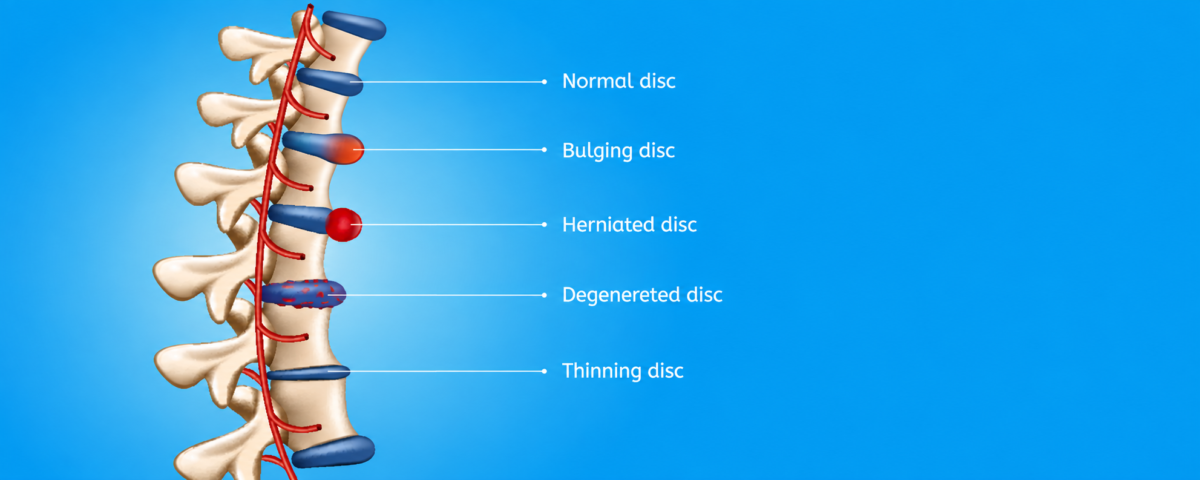
Your spine contains small, flexible cushions called discs between the vertebrae. These discs help absorb shock and allow your spine to move comfortably. Each disc has a tough outer layer surrounding a softer inner material.

A herniated disc occurs when part of the inner material pushes through a weakened or damaged area of the outer layer. If the displaced material presses against a nearby spinal nerve, it can produce pain and other neurological symptoms.

Herniated discs can occur in the neck, upper back, or lower back, although they are particularly common in the lower spine. The location of the disc problem often influences the type and distribution of symptoms.

What Causes a Herniated Disc?

Several factors can contribute to disc herniation. Some of the most common herniated disc causes include:

  • Age-related wear and tear of spinal discs
  • Repetitive lifting, bending, or twisting
  • Poor lifting techniques
  • Sudden injuries or trauma
  • Repetitive physical activities
  • Excess body weight that increases stress on the spine
  • Jobs involving prolonged sitting or physical labor
  • Weak supporting muscles and poor body mechanics

As discs naturally lose some of their flexibility and moisture with age, they may become more vulnerable to tearing or herniation.

What Are the Common Herniated Disc Symptoms?

Some people have a herniated disc without experiencing noticeable symptoms. Others may develop significant pain or nerve-related problems.

Common herniated disc symptoms include:

  • Pain in the lower back or neck
  • Pain that travels into an arm or leg
  • Numbness or tingling
  • Muscle weakness
  • Burning or shooting pain
  • Difficulty standing, walking, or sitting comfortably
  • Pain that becomes worse with certain movements

A lumbar herniated disc may irritate a nerve that travels into the buttocks and leg, sometimes resulting in sciatica-like symptoms. A cervical herniated disc may cause pain, tingling, or weakness extending into the shoulder, arm, or hand.

The severity of symptoms does not always correspond directly to the size of the herniation. A relatively small disc herniation can sometimes cause significant nerve irritation, while a larger one may produce few symptoms.

Can a Herniated Disc Heal on Its Own?

In many cases, symptoms from a herniated disc can improve over time without surgery. The body may gradually reduce inflammation around the affected nerve, and the herniated disc material can sometimes shrink or be reabsorbed.

However, “healing on its own” does not necessarily mean ignoring the problem. Appropriate evaluation and conservative management can help control symptoms and support recovery.

The recovery timeline varies depending on factors such as the location of the herniation, severity of nerve compression, overall health, activity level, and treatment approach.

If symptoms are mild and improving, a healthcare professional may recommend monitoring the condition along with conservative measures. If pain continues, worsens, or interferes with daily life, professional evaluation becomes increasingly important.

Herniated Disc Treatment Without Surgery

Many patients begin with non-surgical care. The appropriate approach depends on the individual’s symptoms and examination findings.

Common herniated disc treatment without surgery may include:

Physical Therapy

A structured physical therapy program can focus on improving flexibility, strengthening supporting muscles, improving posture, and teaching safer movement patterns. Exercises may be tailored to the patient’s condition and functional goals.

Activity Modification

Temporarily modifying activities that aggravate symptoms may help reduce irritation. This does not necessarily mean complete bed rest. In many situations, maintaining appropriate movement is preferable to prolonged inactivity.

Medication

Depending on an individual’s medical history and symptoms, a healthcare professional may recommend medications to help manage pain and inflammation.

Epidural Steroid Injections

In selected cases, an injection around an irritated spinal nerve may help reduce inflammation and provide temporary pain relief. Injections may be considered when symptoms are persistent despite other conservative measures.

Lifestyle Changes

Maintaining a healthy weight, improving posture, using proper lifting techniques, and staying physically active within comfortable limits may help reduce stress on the spine.

The goal of conservative care is generally to reduce symptoms, improve function, and give the body an opportunity to recover while monitoring for signs that additional treatment may be necessary.

When Should You See a Herniated Disc Doctor?

You should consider consulting a herniated disc doctor in Boerne, TX if your symptoms are persistent, recurring, worsening, or interfering with normal activities.

An evaluation may be particularly helpful if you experience:

  • Persistent back or neck pain
  • Pain traveling into an arm or leg
  • Numbness or tingling
  • Muscle weakness
  • Difficulty walking or performing normal activities
  • Symptoms that do not improve with conservative care
  • Repeated episodes of severe pain

A herniated disc specialist in Boerne, TX can review your symptoms, medical history, physical examination, and appropriate imaging studies to determine whether a herniated disc may be contributing to your condition.

How Is a Herniated Disc Diagnosed?

Diagnosis typically begins with a detailed medical history and physical examination. Your physician may assess your strength, reflexes, sensation, movement, and symptoms.

If additional information is needed, imaging such as an MRI may help visualize the spinal discs and determine whether a herniation is affecting nearby nerves.

Imaging findings should generally be considered alongside symptoms and examination results. Disc changes can sometimes appear on imaging even in people who do not have significant pain.

When Is Herniated Disc Surgery Considered?

Most people with a herniated disc do not automatically need surgery. However, surgery may be considered when symptoms are severe, persistent, or associated with significant nerve problems.

A herniated disc surgeon in Boerne, TX may evaluate whether surgery is appropriate when:

  • Severe symptoms continue despite conservative treatment
  • Significant or progressive weakness develops
  • Nerve compression causes substantial functional limitations
  • Pain remains disabling despite appropriate non-surgical treatment
  • There are signs of serious nerve compression

The specific surgical approach depends on the location and characteristics of the disc problem and the patient’s overall condition.

What Are Common Herniated Disc Surgery Options?

When surgery is appropriate, the goal is generally to relieve pressure on an affected spinal nerve.

Depending on the diagnosis, surgical options may include procedures designed to remove the portion of disc material pressing on the nerve. In certain circumstances, additional procedures may be considered based on spinal stability and other structural issues.

Surgery is not the right solution for every patient, which is why a thorough evaluation is important before making a treatment decision.

Herniated Disc vs. Bulging Disc

Herniated and bulging discs are related but not the same. A bulging disc occurs when the disc extends beyond its normal boundary, usually involving a broader portion of the disc. A herniated disc generally involves a more localized displacement of the inner disc material through a weakened area of the outer layer.

Both conditions can occur without symptoms, but either may contribute to nerve irritation depending on its location and severity.

How Long Does a Herniated Disc Take to Heal?

There is no single recovery timeline for everyone. Some people experience meaningful improvement within weeks, while others may have symptoms that persist for longer.

Recovery can depend on the severity of nerve irritation, the individual’s overall health, activity level, treatment plan, and whether neurological symptoms are present.

Following an individualized treatment plan and communicating changes in symptoms with your healthcare provider can help ensure that your recovery is monitored appropriately.

When Is a Herniated Disc an Emergency?

Although many herniated discs can be managed without emergency treatment, certain symptoms require immediate medical attention.

Seek urgent medical evaluation if you develop new loss of bladder or bowel control, numbness around the inner thighs or genital area, or severe or rapidly progressing weakness in the legs. These symptoms can indicate serious nerve compression requiring prompt assessment.

Finding the Right Herniated Disc Treatment in Boerne, TX

Choosing the appropriate treatment depends on the underlying cause of your symptoms, the location of the disc problem, the degree of nerve involvement, and your overall health.

If you are experiencing persistent back or neck pain, working with an experienced spine physician can help you understand your diagnosis and available treatment options. Brain and Spine Institute San Antonio, Texas, led by Dr. Osama Ahmed, provides evaluation and treatment for spinal conditions.

Whether your symptoms may be appropriate for herniated disc treatment without surgery or require consideration of a surgical approach, an individualized evaluation can help determine the next step.

Take the Next Step Toward Relief

You do not have to continue struggling with persistent back or nerve pain without understanding your treatment options. If you are experiencing symptoms of a herniated disc, contact Brain and Spine Institute San Antonio, Texas, to schedule a consultation with Dr. Osama Ahmed.

Call (210) 625-4733 to discuss your symptoms and learn whether professional evaluation and personalized Herniated Disc Treatment in Boerne, TX may be right for you.

Contact Brain and Spine Institute San Antonio, Texas today at (210) 625-4733 to book your consultation with Dr. Osama Ahmed.

Frequently Asked Questions

Can a herniated disc heal without surgery?

Yes. Many people improve with conservative treatment and do not require surgery. The appropriate approach depends on symptoms, nerve involvement, and how the condition responds to treatment.

What is the best treatment for a herniated disc?

There is no single treatment that is best for everyone. Treatment may include physical therapy, activity modification, medications, injections, or surgery in selected cases.

How long does a herniated disc take to heal?

Recovery varies from person to person. Some individuals improve within several weeks, while others may experience symptoms for longer and require additional treatment.

When is herniated disc surgery necessary?

Surgery may be considered when severe or persistent symptoms do not respond adequately to conservative care or when significant or progressive neurological problems develop.

Can a herniated disc cause leg or arm pain?

Yes. If a herniated disc irritates or compresses a spinal nerve, pain, numbness, tingling, or weakness may travel into an arm or leg depending on the location of the affected disc.

Should I see a specialist for a herniated disc?

If symptoms are persistent, severe, worsening, or associated with numbness or weakness, an evaluation by a spine specialist can help identify the cause and determine appropriate treatment options.

What are the symptoms of a serious herniated disc?

Severe or progressive weakness, new bladder or bowel control problems, or numbness around the inner thighs or genital area can indicate serious nerve compression and require urgent medical evaluation.

Can physical therapy help a herniated disc?

Physical therapy may help some people improve mobility, strength, posture, and pain. A customized program should be based on the individual’s symptoms and clinical evaluation.

What is the difference between a bulging disc and a herniated disc?

A bulging disc typically extends beyond its normal boundary over a broader area. In contrast, a herniated disc usually involves localized displacement of the inner disc material through a weakened portion of the outer layer.

Where can I get herniated disc treatment near Boerne, TX?

Patients seeking evaluation for a herniated disc can contact Brain and Spine Institute San Antonio, Texas, to discuss their symptoms and schedule a consultation with Dr. Osama Ahmed.

Categories
Neuro Surgeon Spine Specialist

Cervical Arthroplasty in Stone Oak, TX: Everything You Need to Know About Artificial Disc Replacement

Neck pain can significantly impact your quality of life, making everyday activities such as driving, working, or even sleeping uncomfortable. When conservative treatments no longer provide relief, surgical options may become necessary. One of the most advanced procedures available today is Cervical arthroplasty in Stone Oak, TX, also known as cervical artificial disc replacement. This innovative procedure is designed to relieve pain while preserving the natural movement of your neck.

Unlike traditional spinal fusion, cervical arthroplasty replaces the damaged disc with an artificial implant, helping maintain flexibility and reducing stress on nearby spinal segments. At Brain and Spine Institute San Antonio, Texas, Dr. Osama Ahmed, a board-certified spine surgeon, provides comprehensive evaluation and personalized treatment plans to help patients regain mobility and return to their daily activities with confidence.

In this guide, we’ll explain everything you need to know about cervical arthroplasty, including who may benefit from the procedure, how it works, recovery expectations, and when to consult a spine specialist.

What Is Cervical Arthroplasty?

Cervical arthroplasty, commonly referred to as cervical disc replacement surgery, is a procedure that removes a damaged or diseased cervical disc and replaces it with an artificial disc implant.

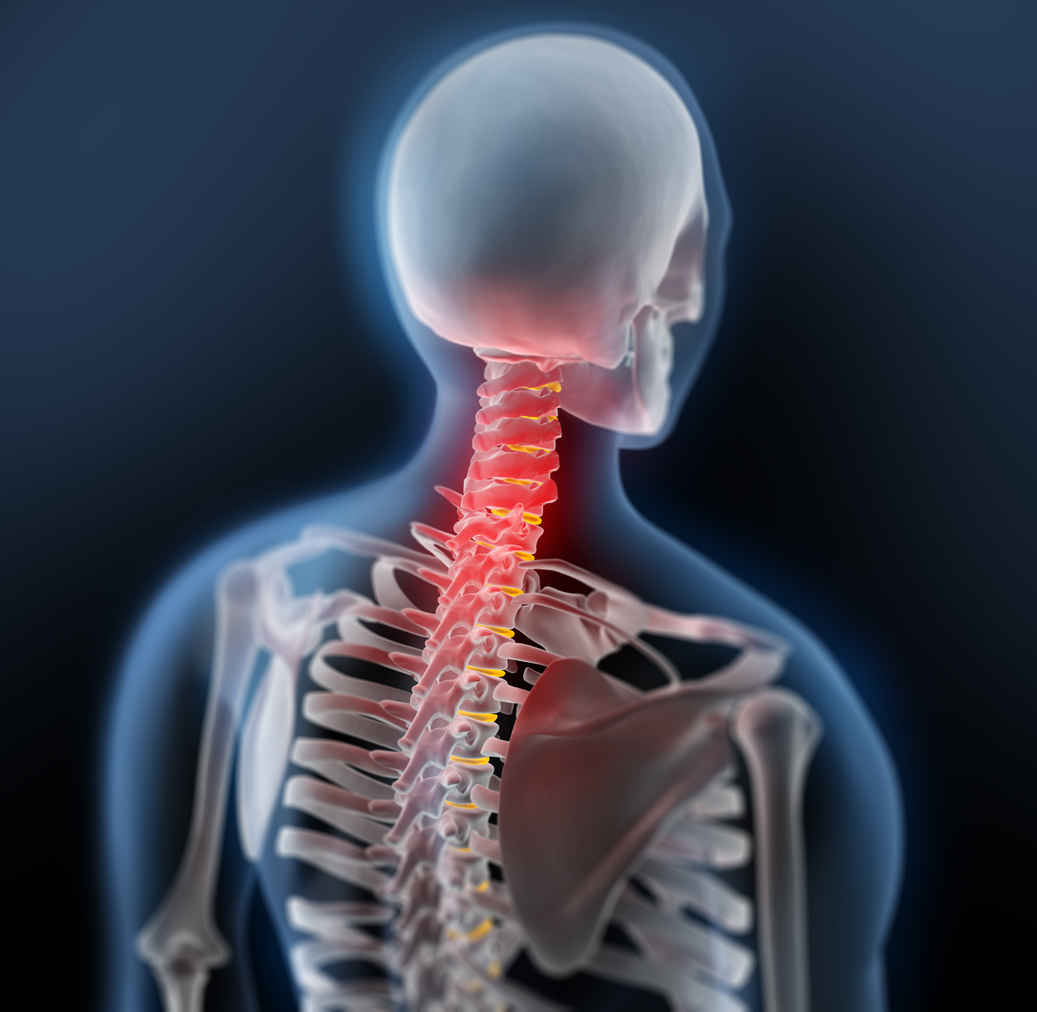
The cervical spine consists of seven vertebrae in the neck separated by discs that act as cushions. Over time, these discs may become damaged due to aging, injury, or degenerative conditions, causing pain, numbness, or weakness in the arms and shoulders.

Rather than permanently fusing two vertebrae together, cervical arthroplasty preserves natural motion by allowing the artificial disc to move similarly to a healthy disc.

This modern approach is considered a type of motion-preserving spine surgery, offering several advantages for eligible patients.

Conditions Treated with Cervical Arthroplasty

Your spine specialist may recommend Artificial disc replacement Stone Oak, TX for several cervical spine conditions, including:

Herniated Cervical Disc:

A herniated disc occurs when the soft inner material pushes through the outer layer of the spinal disc, compressing nearby nerves.

Symptoms include:

  • Neck pain
  • Radiating arm pain
  • Numbness
  • Tingling
  • Muscle weakness

Many patients seeking Herniated cervical disc treatment benefit from cervical arthroplasty after conservative treatments fail.

Degenerative Cervical Disc Disease:

Degenerative cervical disc disease develops as spinal discs lose hydration and flexibility over time.

Common symptoms include:

  • Chronic neck stiffness
  • Persistent neck pain
  • Reduced range of motion
  • Nerve compression
  • Shoulder pain

Artificial disc replacement restores disc height while helping maintain spinal mobility.

Cervical Radiculopathy:

When spinal nerves become compressed, pain may travel down the shoulders, arms, or hands.

Patients often experience:

  • Burning pain
  • Weakness
  • Tingling sensations
  • Loss of grip strength

Removing the damaged disc relieves nerve pressure.

Who Is a Good Candidate?

Not everyone with neck pain requires surgery. Your physician will first recommend conservative treatments such as:

  • Physical therapy
  • Anti-inflammatory medications
  • Activity modification
  • Epidural steroid injections

You may be a candidate for Cervical arthroplasty if you:

  • Have persistent neck pain lasting several months
  • Experience arm numbness or weakness
  • Have a herniated cervical disc
  • Have degenerative disc disease affecting one or two levels
  • Have failed non-surgical treatment
  • Have healthy spinal alignment
  • Want to preserve neck motion

A comprehensive evaluation, physical examination, and advanced imaging such as MRI or CT scans help determine the best treatment plan.

Benefits of Cervical Arthroplasty

One of the biggest advantages of cervical arthroplasty is preserving normal neck movement while relieving nerve compression.

Key benefits include:

Preserves Natural Motion:

Unlike spinal fusion, artificial discs continue moving naturally, helping patients maintain flexibility.

Less Stress on Adjacent Discs:

Fusion places additional stress on neighboring spinal levels. Motion-preserving surgery may reduce the likelihood of adjacent segment degeneration.

Faster Recovery:

Many patients return to normal activities sooner compared with fusion surgery.

Reduced Neck Stiffness:

Patients often experience improved mobility following recovery.

Effective Pain Relief:

Most patients report significant improvement in:

  • Neck pain
  • Arm pain
  • Numbness
  • Tingling
  • Weakness

Cervical Arthroplasty vs. Spinal Fusion

Both procedures effectively treat cervical spine disorders, but they differ in several important ways.

Cervical Arthroplasty Spinal Fusion
Preserves motion Eliminates motion
Artificial disc implanted Bones permanently fused
Reduced stress on nearby discs Increased stress on adjacent levels
Faster rehabilitation for many patients Longer recovery
Better neck flexibility Reduced neck movement

Your surgeon will determine which option is most appropriate based on your spinal condition.

What Happens During the Procedure?

Understanding the surgical process can help reduce anxiety before treatment.

Step 1: Anesthesia

The procedure is performed under general anesthesia.

Step 2: Small Incision

A small incision is made in the front of the neck.

Step 3: Disc Removal

The damaged cervical disc is carefully removed while protecting nearby nerves and the spinal cord.

Step 4: Artificial Disc Placement

The artificial disc implant is positioned precisely between the vertebrae.

Step 5: Closure

The incision is closed using sutures, and patients are monitored during recovery.

Many procedures take approximately one to three hours, depending on the complexity of the case.

Recovery and Rehabilitation

Recovery varies from patient to patient, but many individuals notice symptom improvement shortly after surgery.

Immediately After Surgery

  • Walking is encouraged.
  • Hospital discharge may occur the same day or after one night.
  • Pain medications help manage postoperative discomfort.

First Few Weeks

Patients gradually resume:

  • Light walking
  • Daily activities
  • Gentle neck movement

Heavy lifting should be avoided until approved by the surgeon.

Physical Therapy

Your physician may recommend physical therapy to improve:

  • Strength
  • Flexibility
  • Range of motion
  • Posture

Returning to Work

Many patients return to desk jobs within several weeks, while physically demanding occupations may require additional recovery time.

Risks and Expected Outcomes

Like any surgical procedure, cervical arthroplasty carries potential risks.

Possible complications include:

  • Infection
  • Bleeding
  • Nerve injury
  • Implant movement
  • Difficulty swallowing
  • Persistent pain

Fortunately, serious complications are uncommon when surgery is performed by an experienced spine surgeon.

Most patients experience:

  • Significant pain reduction
  • Improved arm strength
  • Better neck mobility
  • Enhanced quality of life
  • Long-term symptom relief

Following postoperative instructions plays an important role in achieving successful outcomes.

When to Consult a Spine Specialist in Stone Oak, TX

Persistent neck pain should never be ignored, especially if accompanied by neurological symptoms.

Consult a Cervical spine specialist in Stone Oak, TX if you experience:

  • Neck pain lasting more than six weeks
  • Pain radiating into the shoulders or arms
  • Hand weakness
  • Loss of coordination
  • Numbness or tingling
  • Difficulty performing daily activities
  • Symptoms that do not improve with conservative care

Early evaluation often leads to more effective treatment and may prevent worsening nerve damage.

If you are considering Neck pain treatment or exploring Cervical spine surgery , seeking expert guidance from a board-certified spine surgeon is the first step toward lasting relief.

Why Choose Dr. Osama Ahmed?

Choosing the right surgeon is one of the most important decisions when considering spine surgery.

Dr. Osama Ahmed is a board-certified spine surgeon at Brain and Spine Institute San Antonio, Texas, providing advanced, patient-centered care for individuals with cervical spine disorders. He specializes in modern surgical techniques, including motion-preserving procedures such as cervical arthroplasty, with a focus on personalized treatment plans and evidence-based care.

Every patient receives a comprehensive evaluation to determine whether surgery is appropriate or if non-surgical treatments may provide effective relief. The goal is to restore function, reduce pain, and help patients return to their normal activities with confidence.

Frequently Asked Questions

Is cervical arthroplasty better than spinal fusion?

For appropriately selected patients, cervical arthroplasty preserves neck motion and may reduce stress on adjacent spinal segments. However, the best procedure depends on your specific spinal condition.

How long does cervical disc replacement surgery take?

Most procedures take approximately one to three hours, depending on the number of spinal levels being treated.

Will I lose neck movement after surgery?

No. One of the primary advantages of cervical arthroplasty is preserving natural neck motion.

How long is recovery?

Many patients resume light daily activities within a few weeks, while complete recovery may take several months depending on individual healing.

Is artificial disc replacement permanent?

Artificial discs are designed to be durable and provide long-term function, although outcomes vary based on individual health and activity levels.

Who is not a candidate for cervical arthroplasty?

Patients with severe spinal instability, advanced arthritis, osteoporosis, or multi-level degeneration may require alternative surgical approaches such as spinal fusion.

Conclusion

Living with chronic neck pain, numbness, or arm weakness can affect every aspect of your daily life. Fortunately, Cervical arthroplasty Stone Oak, TX offers a modern, motion-preserving solution for many patients with herniated discs and degenerative cervical disc disease. By replacing the damaged disc instead of fusing the vertebrae, this procedure can relieve nerve compression, maintain natural neck movement, and support a quicker return to normal activities.

If you’re exploring Artificial disc replacement Stone Oak, TX, Neck pain treatment Stone Oak, TX, or need expert guidance regarding Cervical spine surgery Stone Oak, TX, the team at Brain and Spine Institute San Antonio, Texas is here to help.

Schedule Your Consultation Today

Don’t let persistent neck pain limit your quality of life. Dr. Osama Ahmed provides comprehensive evaluations and advanced treatment options tailored to your unique condition. Call Brain and Spine Institute San Antonio, Texas today at (210) 625-4733 to book your appointment and learn whether cervical arthroplasty is the right solution for you.