Categories
Spine Specialist

How Is a Spinal Fracture Diagnosed and Treated?

A sudden jolt of back pain after a fall, a car accident, or even a simple movement can be frightening. When the pain is severe, or when it does not ease with rest, a broken bone in the spine may be the cause. If you are searching for spinal fracture treatment in Helotes, understanding how these injuries are diagnosed and treated is the first step toward a safe recovery.

The spine protects the spinal cord and nerves that control movement, sensation, and organ function. Because of this, a spinal fracture should never be ignored. With a prompt, accurate diagnosis and the right care plan, many patients recover well and return to their normal lives. This guide explains what a spinal fracture is, how it is diagnosed, which treatment options are available, and when to see a specialist.

What Is a Spinal Fracture?

A spinal fracture, also called a vertebral fracture, is a break in one or more of the bones (vertebrae) that make up the spinal column. These bones are stacked on top of one another from the neck to the lower back, forming a flexible but strong structure that supports the body and shields the spinal cord.

Fractures can range from small cracks that cause mild discomfort to serious breaks that threaten the spinal cord. Some are stable, meaning the bones stay in alignment. Others are unstable and can shift, increasing the risk of nerve damage. Identifying which type of fracture you have is central to choosing the right vertebral fracture treatment.

Common Types of Spinal Fractures

Spinal fractures are usually grouped by how the bone breaks:

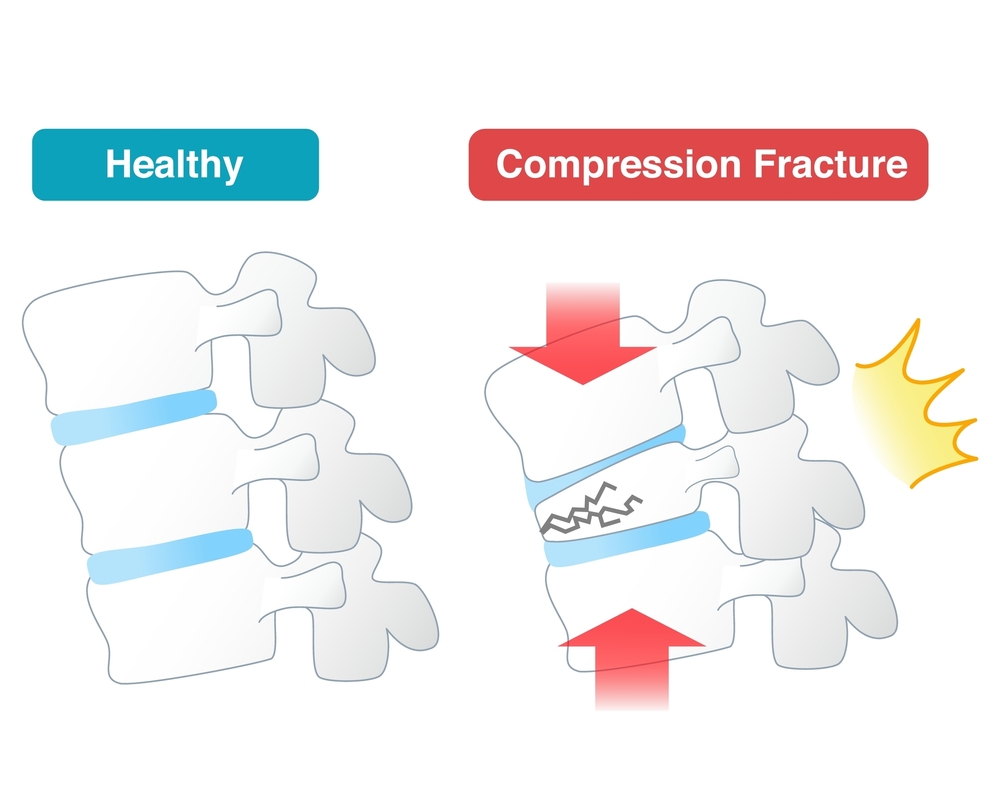
  • Compression fractures: The front of the vertebra collapses, creating a wedge shape. These are common in people with osteoporosis and can occur with minimal force.
  • Burst fractures: The vertebra shatters in several directions, often from high-impact trauma. Fragments may press on the spinal canal.
  • Flexion-distraction fractures: Also known as seatbelt-type injuries, these happen when the spine is forced forward and stretched, sometimes affecting both bone and ligaments.
  • Fracture-dislocations: The vertebra breaks and shifts out of position. These are the most unstable injuries and often involve the spinal cord.
  • Stress or minor fractures: Small breaks in the bony projections of the vertebra, often from sports, twisting, or repetitive strain.

Common Causes and Risk Factors

Spinal fractures occur for several reasons. High-energy events such as motor vehicle collisions, falls from a height, sports injuries, and workplace accidents are frequent causes in younger and middle-aged adults. In older adults, the leading cause is weakened bone. Osteoporosis can cause a vertebra to fracture during everyday activities such as bending, lifting, or even coughing.

Other risk factors include advanced age, long-term steroid use, a history of previous fractures, low bone density, certain cancers that spread to the spine, and conditions that affect balance and increase the risk of falls. Knowing your risk can help you take preventive steps and recognize symptoms early.

Symptoms of a Spinal Fracture

Symptoms depend on the location and severity of the break. Common signs include:

  • Sudden, sharp back or neck pain that worsens with standing, walking, or movement
  • Pain that eases when lying down
  • Tenderness over a specific area of the spine
  • Reduced mobility or difficulty bending and twisting
  • Loss of height or a rounded, stooped posture over time
  • Muscle spasms around the injured area

How Is a Spinal Fracture Diagnosed?

Accurate diagnosis is the foundation of successful treatment. A spinal fracture specialist uses a combination of history, physical examination, and imaging to understand exactly what is happening in the spine.

Medical History and Physical Examination

The evaluation begins with a detailed conversation about your symptoms, how the injury happened, your medical history, and any risk factors such as osteoporosis. During the physical exam, the specialist checks for spinal tenderness, range of motion, posture, muscle strength, reflexes, and sensation. These findings help determine whether nerves may be affected.

Imaging Tests:

Imaging confirms the diagnosis and reveals the type and severity of the fracture:

  • X-rays: Often the first test, X-rays show bone alignment, vertebral height loss, and obvious breaks.
  • CT (computed tomography) scan: Provides detailed cross-sectional images of the bone, making it especially useful for evaluating complex or unstable fractures.
  • MRI (magnetic resonance imaging): Shows the spinal cord, nerves, discs, and ligaments. An MRI can also help distinguish a new fracture from an old one and identify soft tissue injury.
  • Bone density testing: When a fracture appears related to weakened bone, a DEXA scan may be recommended to assess osteoporosis and guide long-term care.

Together, these tools allow your physician to classify the fracture, judge its stability, and build a treatment plan tailored to you.

How Is a Spinal Fracture Treated?

The right spinal fracture treatment depends on the type of fracture, its stability, whether nerves are affected, your age, your overall health, and your goals. Many fractures heal without surgery, while others require surgical stabilization.

Non-Surgical Treatment Options

Stable fractures without nerve compromise are often managed conservatively. Non-surgical care may include:

  • Bracing: A supportive brace limits movement and reduces stress on the healing vertebra.
  • Activity modification: Temporary rest and avoiding heavy lifting, twisting, or high-impact activity allow the bone to mend.
  • Pain management: Medications, and in some cases targeted injections, help control pain so you can stay mobile.
  • Physical therapy: Once cleared, guided exercises strengthen the core and back muscles, improve posture, and support healing.
  • Osteoporosis treatment: Addressing bone health with calcium, vitamin D, lifestyle changes, and prescribed medications helps prevent future fractures.

Healing generally takes several weeks to a few months, and regular follow-up imaging ensures the fracture is mending properly.

Minimally Invasive Procedures

For certain painful compression fractures, especially those related to osteoporosis, minimally invasive procedures may offer relief when conservative care is not enough:

  • Vertebroplasty: Medical-grade bone cement is injected into the fractured vertebra to stabilize it and reduce pain.
  • Kyphoplasty: A small balloon is used to create space and, in some cases, restore vertebral height before cement is placed.

These procedures are performed through very small incisions, typically involve less tissue disruption than open surgery, and may allow a quicker return to daily activity. Candidacy depends on the fracture type and your overall health.

Surgical Treatment Options

Surgery is considered when a fracture is unstable, when the spine is misaligned, when there is a risk of spinal deformity, or when the spinal cord or nerves are compressed. Surgical goals include stabilizing the spine, decompressing neural structures, and restoring alignment. Options may include:

  • Spinal fusion with instrumentation: Screws, rods, or plates hold the vertebrae in position while the bones fuse into a solid segment.
  • Decompression surgery: Bone fragments or other material pressing on the spinal cord or nerves are removed to relieve pressure.
  • Corpectomy or reconstruction: In severe burst fractures, a damaged vertebra may be removed and replaced with a supportive implant.

Modern techniques, including minimally invasive approaches when appropriate, aim to protect surrounding tissue, reduce recovery time, and improve outcomes. Your surgeon will explain which approach fits your injury.

Recovery and Rehabilitation

Recovery varies from person to person. After non-surgical care, many patients gradually resume normal activity over several weeks to months. After surgery, recovery typically includes a short hospital stay, pain control, and a structured rehabilitation program.

Physical therapy is a key part of healing. It rebuilds strength, flexibility, and balance, and teaches safe movement habits that protect your spine. Following your specialist’s instructions, attending follow-up visits, and reporting new symptoms promptly all contribute to a smoother recovery.

Preventing Future Spinal Fractures

While not every fracture can be prevented, these habits can lower your risk:

  • Get adequate calcium and vitamin D, and ask your doctor about bone density screening
  • Stay active with weight-bearing and balance exercises
  • Avoid smoking and limit alcohol
  • Make your home safer by removing tripping hazards and improving lighting
  • Wear seatbelts and protective gear during sports and work
  • Treat osteoporosis as prescribed

When to See a Spinal Fracture Specialist in Helotes, TX

If you have back or neck pain after an injury, sudden pain with no clear cause, or known osteoporosis with new spinal pain, do not wait. Early evaluation protects the nerves, speeds pain relief, and reduces the chance of long-term complications such as chronic pain or spinal deformity.

Choosing an experienced spinal fracture specialist in Helotes means you receive a thorough diagnosis and a personalized plan, whether that involves conservative care, a minimally invasive procedure, or surgery. Dr. Osama Ahmed at the Brain and Spine Institute San Antonio, Texas, provides comprehensive evaluation and treatment for spinal injuries and vertebral fractures, with care centered on safe, effective, and lasting results for patients in Helotes and the surrounding San Antonio area.

Book Your Consultation Today

A spinal fracture does not have to disrupt your life for long. The sooner you receive an accurate diagnosis, the sooner you can begin the treatment that is right for you.

If you or a loved one is dealing with back pain after an injury or suspects a vertebral fracture, schedule an appointment withDr. Osama Ahmed at the Brain and Spine Institute San Antonio, Texas. Get expert spinal fracture treatment in Helotes, TX and a personalized plan for your recovery.

Call (210) 625-4733 today to book your consultation.

Frequently Asked Questions (FAQs)

1. How do I know if I have a spinal fracture?

Common signs include sudden back or neck pain, tenderness over the spine, pain that worsens with movement, and reduced mobility. Only imaging such as X-ray, CT, or MRI can confirm a fracture, so see a specialist if you suspect one.

2. Can a spinal fracture heal without surgery?

Yes. Many stable fractures heal with bracing, activity modification, pain management, and physical therapy. Surgery is usually reserved for unstable fractures or those affecting the spinal cord or nerves.

3. How long does a spinal fracture take to heal?

Most fractures take roughly 8 to 12 weeks to heal, though timing depends on the fracture type, your age, and your bone health. Your specialist will monitor progress with follow-up imaging.

4. When is a spinal fracture a medical emergency?

Seek emergency care if a fracture comes with numbness, weakness, loss of bladder or bowel control, difficulty walking, or severe pain after major trauma.

5. What is the difference between vertebroplasty and kyphoplasty?

Both stabilize a fractured vertebra with bone cement. Kyphoplasty first uses a small balloon to create space and may help restore vertebral height, while vertebroplasty injects the cement directly.

6. Can osteoporosis cause a spinal fracture?

Yes. Weakened bones can fracture during routine activities like bending or lifting. Treating osteoporosis is an important part of preventing additional fractures.

7. What type of doctor treats spinal fractures?

A spine specialist or neurosurgeon evaluates and treats spinal fractures, deciding between non-surgical care, minimally invasive procedures, and surgery.

Categories
Spine Specialist

Beyond Traditional Treatments: How Stem Cell Injections May Support Healing

Living with chronic joint or spine-related pain can wear you down. Everyday activities like climbing stairs, gardening, or walking the Helotes hills can start to feel like a chore. If medications, physical therapy, and cortisone shots haven’t given you lasting relief, you may be wondering what else is available. For many patients, stem cell injections in Helotes, TX are an option worth exploring.

At the Brain and Spine Institute San Antonio, Texas, Dr. Osama Ahmed helps patients understand the full range of care options, including newer approaches built around the body’s own natural repair mechanisms. This guide explains what stem cell therapy is, how it works, the stem cell therapy benefits patients often ask about, and how to decide whether it is right for you.

What Are Stem Cell Injections?

Stem cells are unique cells that can develop into different types of tissue and help regulate the body’s response to injury. In regenerative medicine, the goal is to place these cells, along with the growth factors and signaling molecules they release, at the site of damage to support the body’s own healing process.

Stem cell injections are a form of regenerative medicine treatment. Rather than only masking pain, they aim to create a better environment for tissue repair and to calm the inflammation that often keeps painful conditions going. Depending on the treatment plan, the cells may come from the patient’s own body or from a carefully processed donor source.

It is important to be realistic. Research in this field is active and still evolving, and results vary from person to person. Stem cell therapy is not a guaranteed cure, but for appropriate candidates it can be a meaningful part of a broader pain management strategy.

How Do Stem Cell Injections Work?

When tissue such as cartilage, a tendon, or a spinal structure is damaged, the body’s natural repair is often slow, especially in areas with limited blood supply. Cartilage in particular has a hard time healing on its own.

Stem cell therapy is designed to support this process in several ways:

  • Modulating inflammation: Stem cells release signaling molecules that may help calm excessive inflammation, a major driver of pain and stiffness.
  • Supporting tissue repair: The cells and their growth factors may encourage the surrounding tissue to repair itself more effectively.
  • Improving the healing environment: By influencing the local environment, the treatment may slow further breakdown and support function.

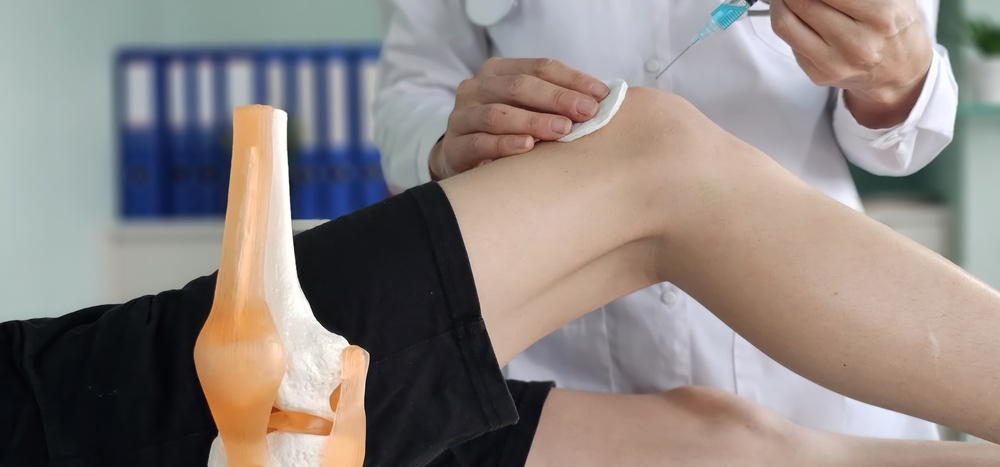
The injection itself is typically performed with image guidance, such as ultrasound or fluoroscopy, so the treatment is placed precisely where it is needed.

Stem Cell Therapy Benefits Patients Often Ask About

Patients considering regenerative options usually want to know what they can realistically expect. While outcomes differ, the potential stem cell therapy benefits include:

  1. Less reliance on medication. Some patients find they can reduce their use of anti-inflammatory drugs or other pain medications, which is appealing given the side effects of long-term use.
  2. A minimally invasive approach. Stem cell injections are typically done as an outpatient procedure without large incisions, general anesthesia, or lengthy hospital stays.
  3. Shorter downtime. Compared with surgery, recovery tends to be more straightforward, and many people return to light daily activities fairly quickly, following their physician’s instructions.
  4. Targeting the source, not just the symptom. Because the aim is to support healing and reduce inflammation at the problem site, the approach differs from treatments that only temporarily mask discomfort.
  5. A potential bridge or alternative to surgery. For some patients, regenerative treatment may help delay or avoid more invasive procedures, though this depends on the condition and its severity.

Stem Cell Injections for Joint Pain

Joint pain is one of the most common reasons patients ask about regenerative care. Knees, hips, shoulders, and other joints take years of wear and tear, and the loss of cartilage can lead to pain, swelling, and reduced mobility.

Stem cell injections for joint pain are designed to address the inflammation and degeneration inside the joint. The goal is to help reduce discomfort, improve function, and support the health of the surrounding tissue. Patients with mild to moderate joint degeneration are often considered stronger candidates than those with advanced, bone-on-bone damage, though every case is evaluated individually.

Joint pain can also be connected to problems in the spine, such as nerve irritation that causes pain to travel into the hips or legs. That is one reason a thorough evaluation matters. At the Brain and Spine Institute, careful diagnosis helps determine whether the pain truly originates in the joint or somewhere else.

Stem Cell Therapy for Arthritis

Arthritis affects millions of Americans, and osteoarthritis in particular is a leading cause of chronic joint pain. In osteoarthritis, the cartilage that cushions the joint gradually wears away, leading to stiffness, swelling, and pain that tends to worsen with activity.

Stem cell therapy for arthritis is one of the most widely discussed applications of regenerative medicine. The therapy aims to reduce inflammation within the joint and support a healthier joint environment. Many patients with arthritis have already tried oral medications, bracing, weight management, physical therapy, and steroid injections. When these measures stop providing enough relief, regenerative options may be a reasonable next conversation to have with a specialist.

It is worth noting that stem cell therapy does not rebuild a joint to its youthful state. Instead, the realistic goal is to ease symptoms and improve function for as long as possible.

Regenerative Medicine for Pain Management

Chronic pain rarely has a one-size-fits-all solution. Regenerative medicine for pain management works best when it is part of a comprehensive plan that may include:

  • Physical therapy and targeted strengthening
  • Activity modification and ergonomic changes
  • Weight management and nutrition
  • Medications when appropriate
  • Interventional procedures
  • Surgery when it is truly needed

Dr. Ahmed’s approach focuses on matching each patient with the right treatment at the right time. Stem cell injections are one tool among many, and they are recommended only when they make clinical sense for the individual.

Who May Be a Good Candidate?

Not everyone is an ideal candidate for stem cell therapy. You may be a good fit if you:

  • Have joint or musculoskeletal pain that has lasted for months
  • Have not found enough relief from conservative treatments
  • Have mild to moderate degenerative changes confirmed by imaging
  • Want to explore minimally invasive options before considering surgery
  • Are in generally good health

Patients with certain conditions, such as active infections, some blood disorders, or certain cancers, may not be suitable candidates. A complete medical history and exam are essential before any treatment decision is made.

What to Expect During Your Visit

Understanding the process can make the decision feel less intimidating.

Step 1: Consultation and evaluation. Your visit begins with a detailed discussion of your symptoms, medical history, and goals. Imaging such as X-rays or MRI may be reviewed to pinpoint the source of your pain.

Step 2: Personalized treatment plan. If stem cell therapy appears appropriate, your physician will explain the process, potential benefits, risks, and alternatives so you can make an informed choice.

Step 3: The procedure. The injection is typically performed in an outpatient setting using imaging guidance for accuracy. Most procedures take a relatively short time.

Step 4: Recovery and follow-up. You will receive specific aftercare instructions. Some patients experience mild soreness at the injection site for a short period. Follow-up visits help track your progress and adjust your plan if needed.

Improvement is often gradual rather than immediate, as the body’s natural healing processes take time to work.

Risks and Considerations

Every medical treatment carries some risk, and a trustworthy provider will discuss them openly. Potential risks of injection-based procedures include temporary pain or swelling, bleeding, infection, or a lack of improvement. Because the regenerative field is evolving, patients should also understand that insurance coverage is often limited for these treatments and that evidence continues to develop.

Be cautious of any clinic that promises guaranteed cures or miraculous results. Choosing an experienced, board-certified specialist who offers honest guidance is one of the best ways to protect yourself.

Why Choose Brain and Spine Institute San Antonio, Texas?

Patients in Helotes and the surrounding San Antonio area deserve care grounded in expertise and honesty. At the Brain and Spine Institute San Antonio, Texas, Dr. Osama Ahmed brings specialized experience in the brain and spine to every evaluation. That background matters, because many pain conditions involve the spine, nerves, and joints working together. An accurate diagnosis is the foundation of effective treatment.

You can expect a patient-centered experience: time to ask questions, clear explanations, and a treatment plan built around your goals rather than a standard script.

Take the Next Step Toward Relief

If joint pain, arthritis, or chronic discomfort is limiting the life you want to live, you do not have to keep struggling alone. Exploring stem cell injections in Helotes, TX could be the first step toward finding a treatment that fits your needs.

Book your consultation today with Dr. Osama Ahmed at the Brain and Spine Institute San Antonio, Texas. Call (210) 625-4733 to schedule an appointment and learn whether regenerative medicine is right for you.

Frequently Asked Questions (FAQs)

What are stem cell injections used for?

Stem cell injections are used in regenerative medicine to support healing and reduce inflammation in conditions such as joint pain, osteoarthritis, and certain soft tissue injuries. The right use depends on your diagnosis and overall health.

Are stem cell injections safe?

When performed by a qualified physician using appropriate techniques, stem cell injections are generally considered low risk. As with any procedure, there are potential side effects, such as soreness, swelling, or infection, which your doctor will review with you.

How long does it take to feel results from stem cell therapy?

Results vary. Some patients notice gradual improvement over several weeks to a few months as the body responds. Because healing takes time, patience is part of the process.

Is stem cell therapy a cure for arthritis?

No. Stem cell therapy is not a cure for arthritis. It aims to reduce inflammation, ease symptoms, and support joint function. Outcomes depend on the severity of the condition and the individual.

Does insurance cover stem cell injections?

Coverage is often limited because many regenerative treatments are still considered emerging. Contact our office and your insurance provider to understand your options before treatment.

Am I a candidate for stem cell injections for joint pain?

Candidacy depends on the location and severity of your condition, your health history, and what treatments you have already tried. A consultation with Dr. Ahmed is the best way to find out.

Is there downtime after the procedure?

Downtime is typically minimal compared with surgery. Many patients resume light activities soon after, though your doctor will give personalized

Categories
Spine Specialist

Understanding Cervical Spine Conditions: Treatment and Surgical Options in San Antonio, TX

Persistent neck pain, tingling in the hands, or weakness in the arms can quietly disrupt your work, your sleep, and your daily routine. When these symptoms stop responding to rest and home care, many people start looking into cervical spine surgery in San Antonio, TX, and wonder whether surgery is truly necessary. The good news is that most cervical spine conditions can be diagnosed accurately and treated effectively, often without an operation. When surgery is the right choice, modern techniques have made it safer and recovery smoother than ever.

This guide explains how the cervical spine works, the most common conditions that affect it, the non-surgical and surgical treatments available, and how to know when it’s time to see a cervical spine surgeon in San Antonio, TX.

What Is the Cervical Spine?

The cervical spine is the neck portion of your spine. It consists of seven vertebrae, labeled C1 through C7, stacked on top of one another and cushioned by discs. Together, these structures:

  • Support the weight of your head (roughly 10 to 12 pounds)
  • Protect the spinal cord and the nerve roots that branch out to your shoulders, arms, and hands
  • Allow the neck to bend, rotate, and tilt through a wide range of motion

Because the neck is so mobile and carries so much load, it is especially vulnerable to wear, injury, and degeneration. And because the spinal cord runs through it, problems here can affect far more than just the neck.

Common Cervical Spine Conditions

Cervical Herniated Disc

Each disc has a tough outer layer and a soft, gel-like center. When the outer layer weakens or tears, the inner material can push outward and press on nearby nerves or the spinal cord. This may cause neck pain, pain radiating down the arm, numbness, or weakness.

Cervical Radiculopathy (Pinched Nerve)

Radiculopathy occurs when a nerve root in the neck is compressed or irritated, whether by a herniated disc or bone spurs. Typical symptoms include sharp or burning pain that travels into the shoulder, arm, or fingers, along with tingling or reduced strength.

Cervical Spinal Stenosis

Stenosis is a narrowing of the spinal canal that can squeeze the spinal cord and nerves. It is usually the result of age-related changes such as thickened ligaments, disc bulging, and bone spurs. Symptoms often develop gradually.

Cervical Myelopathy

Myelopathy is a more serious condition caused by compression of the spinal cord itself. Warning signs include clumsiness in the hands, difficulty with buttons or handwriting, trouble walking, balance problems, and sometimes bladder or bowel changes. Myelopathy should be evaluated promptly, as delayed treatment can lead to permanent deficits.

Cervical Spondylosis (Degenerative Disc Disease)

Spondylosis is the general wear and tear of the neck’s discs and joints. While some degeneration is a normal part of aging, it can lead to chronic stiffness, pain, and nerve compression in some people.

Neck Injuries and Instability

Whiplash, fractures, and ligament injuries from car accidents, falls, or sports can destabilize the cervical spine. These injuries may require urgent evaluation and, in some cases, surgical stabilization.

Symptoms That Should Not Be Ignored

Neck stiffness after a long day at a desk is common. These symptoms deserve a professional evaluation:

  • Neck pain lasting more than several weeks
  • Pain, numbness, or tingling that radiates into the arm or hand
  • Weakness in the arm, hand grip, or fingers
  • Loss of fine motor control or frequent dropping of objects
  • Difficulty walking or unexplained balance changes
  • Headaches that originate at the base of the skull
  • Pain after a significant trauma

Sudden weakness, loss of coordination, or bladder or bowel changes require urgent medical attention.

How Cervical Spine Conditions Are Diagnosed

An accurate diagnosis is the foundation of good treatment. Evaluation at Brain and Spine Institute San Antonio, Texas typically begins with a detailed history and a physical and neurological exam, checking strength, reflexes, sensation, and range of motion. Imaging is then used to confirm the source of the problem:

  • X-rays to assess alignment, bone structure, and disc height
  • MRI to visualize discs, nerves, and the spinal cord in detail
  • CT scans for a precise look at bone anatomy
  • EMG/nerve studies in select cases to evaluate nerve function

Matching your symptoms with your imaging is essential. Many people have abnormal findings on an MRI without any symptoms, so treatment decisions are based on the whole clinical picture, not on a scan alone.

Non-Surgical Treatment Options

Most patients with cervical spine problems improve without surgery. Conservative care is generally the first step, unless there are signs of significant nerve or spinal cord compression. Options include:

  • Activity modification and rest from aggravating movements
  • Physical therapy to strengthen supporting muscles, improve posture, and restore mobility
  • Anti-inflammatory medications and, in some cases, short courses of other medications for nerve pain
  • Cervical epidural steroid injections to reduce inflammation around irritated nerves
  • Ergonomic changes to your workstation, phone use, and sleep position
  • Heat, ice, and gentle stretching for symptom relief

A structured conservative program often runs for six to twelve weeks. Many patients with disc herniations and pinched nerves see significant improvement in that time.

When Is Cervical Spine Surgery Recommended?

Surgery may be considered when:

  • Symptoms persist or worsen despite a thorough course of non-surgical care
  • Arm weakness or numbness is progressing
  • There is evidence of spinal cord compression (myelopathy)
  • Pain is severe and significantly limits daily life
  • Instability from injury or degeneration threatens the spinal cord or nerves

The goals of surgery are to relieve pressure on the nerves or spinal cord, stabilize the spine when needed, and restore your quality of life.

Cervical Spine Surgical Options in San Antonio, TX

Anterior Cervical Discectomy and Fusion (ACDF)

ACDF is one of the most established procedures for cervical disc problems. Through a small incision at the front of the neck, the surgeon removes the damaged disc, relieves pressure on the nerve or spinal cord, and places a spacer in the disc space. The adjacent vertebrae then fuse over time, stabilizing the segment. ACDF is commonly used for herniated discs, radiculopathy, and some forms of stenosis.

Cervical Disc Replacement (Artificial Disc)

In carefully selected patients, an artificial disc can replace the damaged disc instead of fusing the vertebrae. The aim is to relieve nerve compression while preserving motion at that level. Not everyone is a candidate, so a thorough evaluation is essential.

Posterior Cervical Foraminotomy

For certain pinched nerves, a surgeon can approach from the back of the neck and widen the nerve exit passage, removing only what is pressing on the nerve. This can avoid fusion in appropriate cases.

Cervical Laminectomy and Laminoplasty

When stenosis or myelopathy compresses the spinal cord, these procedures create more room for it. Laminectomy removes part of the bony roof of the canal, while laminoplasty reshapes and reopens it. Fusion may be added to provide stability.

Posterior Cervical Fusion

When the neck needs additional stabilization, due to instability, deformity, or multi-level disease, rods and screws may be used to fuse segments from behind.

The right procedure depends on your diagnosis, imaging, symptoms, age, activity level, and overall health. There is no one-size-fits-all operation, and a good surgeon will walk you through why a given option fits your situation.

What to Expect From Recovery

Recovery varies by procedure, but a general outline looks like this:

  • Hospital stay: Many cervical procedures involve a short stay, and some are done as outpatient surgery.
  • First few weeks: Mild to moderate soreness and a sore throat or difficulty swallowing after front-of-neck surgery are common and usually improve quickly. Activity is gradually increased, with restrictions on heavy lifting.
  • Physical therapy: Often begins within weeks to restore strength and mobility.
  • Return to work: Desk-based work may resume within a few weeks for many patients, while physical jobs take longer.
  • Long-term: Nerve healing can take months, and following your surgeon’s guidance on activity and follow-up visits is key to the best result.

Choosing the Right Cervical Spine Surgeon in San Antonio, TX

Operating near the spinal cord demands precision and experience. When choosing a surgeon, consider:

  • Specialized training in spine and neurosurgical care
  • Experience with the full range of cervical procedures, including minimally invasive approaches
  • A willingness to recommend non-surgical care first when appropriate
  • Clear communication and a plan tailored to you, not a one-size-fits-all approach

Dr. Osama Ahmed and the team at Brain and Spine Institute San Antonio, Texas provide comprehensive evaluation and care for neck and spine conditions, helping patients understand every option before making a decision.

Take the Next Step Toward Relief

Neck and arm symptoms don’t have to be something you live with. Whether you’re exploring non-surgical options or wondering if cervical spine surgery in San Antonio, TX is right for you, an expert evaluation is the first step toward clarity and relief.

Schedule a consultation with Dr. Osama Ahmed at Brain and Spine Institute San Antonio, Texas. Call (210) 625-4733 today to book your appointment and get a personalized plan for your neck and spine health.

Frequently Asked Questions (FAQs)

  1. How do I know if my neck pain requires surgery?

Most neck pain improves with conservative care. Surgery is typically considered when symptoms persist despite treatment, when there is progressive weakness or numbness, or when imaging and exam findings point to spinal cord or nerve compression.

  1. What does a cervical spine surgeon in San Antonio, TX do?

A cervical spine surgeon diagnoses and treats conditions of the neck, including herniated discs, stenosis, myelopathy, and instability. They guide both non-surgical and surgical care and recommend what’s best for your condition.

  1. Is cervical spine surgery safe?

Cervical spine surgery is performed routinely and is generally safe, but all surgery carries risks, such as infection, bleeding, or nerve irritation. Your surgeon will review the specific risks and benefits for your procedure before you decide.

  1. How long is recovery after ACDF?

Many patients return to light daily activities within a couple of weeks and desk work within two to six weeks. Full fusion takes several months, and your surgeon will guide your activity restrictions throughout.

  1. Will I lose neck motion after a cervical fusion?

Fusion removes motion at the treated level, but neighboring segments typically compensate, so most patients notice little change in daily function. Disc replacement may be an option for some patients who want to preserve motion.

  1. Can a herniated disc in the neck heal without surgery?

Yes. Many cervical disc herniations improve over weeks to months with physical therapy, medications, and injections as needed.

  1. What symptoms mean I should see a specialist right away?

Progressive arm or hand weakness, trouble with balance or walking, loss of hand coordination, or bladder or bowel changes warrant prompt evaluation. Seek emergency care if symptoms come on suddenly.

  1. What should I bring to my first consultation?

Bring any prior MRI, CT, or X-ray images and reports, a list of medications, and notes on your symptoms and treatments you’ve already tried.