

Categories
Neuro Surgeon Spine Specialist

How to Choose the Right Neurosurgeon and Spine Doctor in Dripping Springs for Long-Term Spine Health

When it comes to managing complex neurological or spinal conditions, finding the right Neurosurgeon or Spine Doctor in Dripping Springs is essential for achieving lasting relief and improved quality of life. Whether you’re dealing with chronic back pain, a herniated disc, or a more serious neurological disorder, understanding your options and making informed decisions can significantly impact your recovery journey.

Understanding the Role of a Neurosurgeon

A neurosurgeon is a highly trained medical specialist who diagnoses and surgically treats disorders affecting the brain, spine, and nervous system.

These professionals handle conditions such as:

  • Herniated discs
  • Spinal stenosis
  • Brain tumors
  • Sciatica
  • Degenerative disc disease
  • Traumatic spinal injuries

At Brain and Spine Institute in San Antonio, Texas, patients receive advanced neurosurgical care under the care of Dr. Osama Ahmed, MD, FAANS, a board-certified neurosurgeon with extensive experience treating complex spinal and neurological conditions.

What Does a Spine Doctor Do?

A spine doctor specializes in diagnosing and treating conditions of the spine. This may include both surgical and non-surgical approaches, such as:

  • Physical therapy
  • Pain management techniques
  • Minimally invasive procedures
  • Lifestyle and posture correction

If you’re searching for a reliable Spine Doctor in Dripping Springs, it’s important to choose someone who offers personalized care plans tailored to your specific condition and lifestyle.

Common Spine Conditions Treated 

  1. Herniated Disc

A herniated disc occurs when the soft inner material of a spinal disc pushes through its outer layer, causing nerve irritation. Symptoms often include pain, numbness, or weakness. 

  1. Spinal Stenosis

This condition involves the narrowing of the spinal canal, which can put pressure on the nerves and cause pain, especially while walking or standing. 

  1. Sciatica

Sciatica refers to pain that radiates along the sciatic nerve, typically affecting one side of the body. It can result from a disc herniation or spinal compression. 

  1. Degenerative Disc Disease

As people age, spinal discs naturally wear down, leading to chronic pain and reduced flexibility. 

  1. Scoliosis

An abnormal curvature of the spine that may require monitoring or surgical intervention, depending on severity. 

When Should You See a Neurosurgeon or Spine Doctor?

You should consider consulting a Neurosurgeon in Dripping Springs if you experience:

  • Persistent back or neck pain lasting more than a few weeks
  • Numbness or tingling in arms or legs
  • Weakness affecting mobility
  • Difficulty standing or walking
  • Loss of bladder or bowel control (urgent condition)

Early diagnosis can prevent complications and improve treatment outcomes.

Advanced Treatment Options Available

At Brain and Spine Institute San Antonio, patients benefit from cutting-edge treatment techniques, including: 

Minimally Invasive Spine Surgery

This approach uses smaller incisions, leading to:

  • Reduced pain
  • Faster recovery
  • Minimal scarring 

Non-Surgical Treatments

Many spine conditions can be managed without surgery through:

  • Physical therapy
  • Medication
  • Epidural steroid injections 

Personalized Care Plans

Each patient receives a tailored treatment strategy based on their medical history, lifestyle, and condition severity.

Why Choose Dr. Osama Ahmed?

Dr. Osama Ahmed, MD, FAANS, is a trusted neurosurgeon known for his patient-centered approach and clinical excellence. His practice emphasizes:

  • Accurate diagnosis
  • Clear communication
  • Evidence-based treatment
  • Compassionate care

Patients seeking a Spine Doctor in Dripping Springs or a neurosurgical consultation can rely on his expertise for both routine and complex conditions.

Importance of Early Diagnosis and Treatment

Ignoring spinal issues can lead to worsening symptoms and long-term complications. Early intervention helps:

  • Prevent nerve damage
  • Reduce chronic pain
  • Improve mobility
  • Avoid major surgery

Regular check-ups and timely consultations are crucial for maintaining spinal health. 

Tips for Maintaining a Healthy Spine 

  1. Practice Good Posture

Keep your spine aligned while sitting, standing, and working. 

  1. Stay Active

Engage in regular physical activity to strengthen your core muscles. 

  1. Lift Properly

Avoid bending your back while lifting heavy objects; use your legs instead. 

  1. Maintain a Healthy Weight

Excess weight can put additional strain on your spine. 

  1. Ergonomic Workspace

Ensure your workstation supports proper posture, especially if you work long hours at a desk. 

What to Expect During Your Visit

When you visit a Neurosurgeon in Dripping Springs, your consultation typically includes:

  • Detailed medical history review
  • Physical and neurological examination
  • Imaging tests (MRI, CT scan, X-rays)
  • Diagnosis and treatment plan discussion

This comprehensive approach ensures accurate diagnosis and effective treatment.

Recovery and Rehabilitation

Recovery depends on the type of treatment you receive. For surgical cases:

  • Follow post-operative instructions carefully
  • Attend physical therapy sessions
  • Gradually return to daily activities

For non-surgical treatments:

  • Stay consistent with therapy
  • Follow prescribed medications
  • Monitor symptoms regularly 

Contact Information

If you are experiencing spine or neurological issues, don’t delay seeking expert care.

???? Phone: (210) 625-4733 

Frequently Asked Questions (FAQs) 

  1. What is the difference between a neurosurgeon and a spine doctor?

A neurosurgeon specializes in the surgical treatment of the brain and spine, while a spine doctor may offer both surgical and non-surgical treatments focused on spinal conditions. 

  1. When should I see a Neurosurgeon in Dripping Springs?

You should consult a neurosurgeon if you have severe or persistent pain, nerve symptoms, or conditions that may require surgical intervention. 

  1. Can spine problems be treated without surgery?

Yes, many spine conditions can be managed with physical therapy, medications, and lifestyle changes. 

  1. How long does recovery take after spine surgery?

Recovery varies depending on the procedure but typically ranges from a few weeks to several months. 

  1. Is minimally invasive spine surgery safe?

Yes, it is generally safe and offers benefits such as reduced pain, shorter hospital stays, and faster recovery. 

  1. How do I choose the best Spine Doctor in Dripping Springs?

Look for qualifications, experience, patient reviews, and whether they offer personalized treatment plans. 

Final Thoughts

Choosing the right Neurosurgeon in Dripping Springs or Spine Doctor in Dripping Springs can make a significant difference in your health and well-being. With expert care from Dr. Osama Ahmed at Brain and Spine Institute San Antonio, patients receive advanced, personalized treatment designed to restore mobility and improve quality of life.

If you’re experiencing symptoms, taking action today could be the first step toward a pain-free tomorrow.
Categories
Neuro Surgeon Spine Specialist

Lumbar Disc Replacement Surgery: What You Need to Know

Chronic lower back pain doesn’t just affect your body—it impacts your work, sleep, mobility, and overall quality of life. Lumbar disc replacement surgery offers a modern solution by removing a damaged spinal disc and replacing it with an artificial one that maintains movement instead of restricting it. The goal isn’t only pain relief—it’s helping you regain flexibility and return to an active, comfortable lifestyle.

At Brain and Spine Institute of San Antonio, our experienced spine specialists focus on advanced, patient-centered care. This guide will walk you through everything you need to know—from candidacy and procedure details to recovery, risks, and cost—so you can make an informed decision with confidence.

What Is Lumbar Disc Replacement?

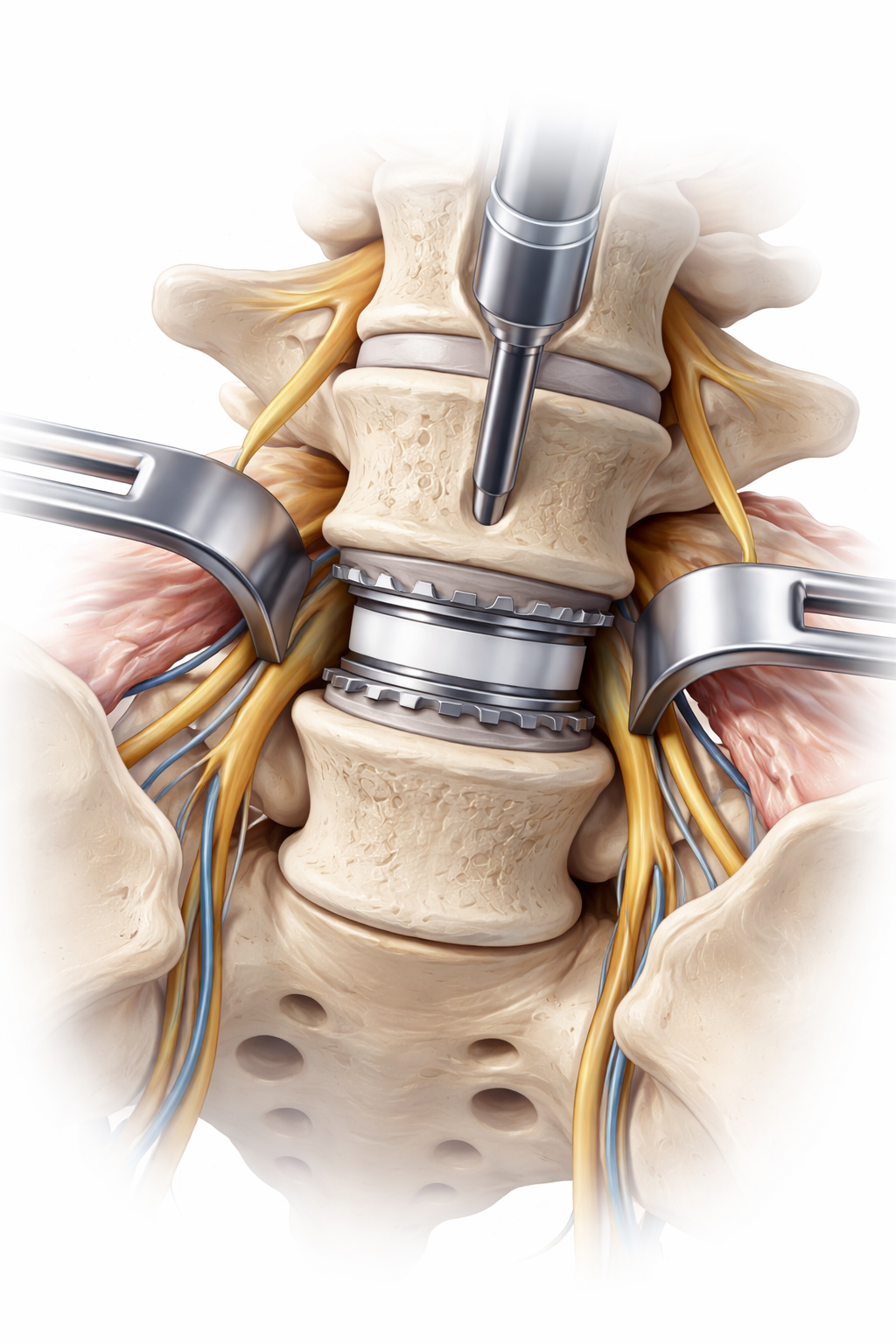
Lumbar disc replacement is a surgical procedure designed to treat damaged or degenerated discs in the lower spine. Instead of fusing the bones, the surgeon replaces the problematic disc with an artificial implant that mimics natural movement.

By restoring disc height and preserving motion between vertebrae, this procedure helps reduce nerve pressure, relieve pain, and maintain spinal flexibility—allowing you to move more naturally in daily life.

Who Is a Good Candidate?

You may be a suitable candidate for lumbar disc replacement if:

  • You have persistent lower back pain caused by one or two damaged discs (commonly L4–L5 or L5–S1)
  • Conservative treatments like physiotherapy, medications, or injections haven’t worked after several weeks or months
  • Your condition is limited to disc degeneration without major joint arthritis or spinal instability

However, this procedure may not be ideal if you have:

  • Multi-level spine degeneration (three or more discs)
  • Severe osteoporosis
  • Spinal deformities or instability
  • Active infections or significant medical conditions

At Brain and Spine Institute of San Antonio, a thorough evaluation ensures the safest and most effective treatment plan tailored to your needs.

Lumbar Disc Replacement vs. Spinal Fusion

Both procedures aim to relieve back pain, but they differ significantly:

  • Spinal Fusion: Joins two vertebrae permanently, eliminating movement at that level. While effective, it can reduce flexibility and stress nearby discs over time.
  • Disc Replacement: Maintains motion with an artificial disc, often resulting in a more natural feel, quicker recovery, and better mobility.

Choosing the right procedure depends on your condition, lifestyle, and long-term goals—something our specialists carefully assess.

What Happens During Surgery?

On the day of surgery:

  • You’ll receive general anesthesia
  • A small incision is made in the abdomen to access the spine
  • The damaged disc is removed
  • An artificial disc is precisely placed using imaging guidance

After surgery, you’ll be monitored during recovery and may begin walking within hours. Many patients are discharged the same day, especially in specialized outpatient settings such as those at the Brain and Spine Institute of San Antonio.

L4–L5 vs. L5–S1 Disc Replacement

The most commonly treated levels are L4–L5 and L5–S1, as they bear the most stress.

  • Pain relief outcomes are generally similar at both levels
  • The key factor is identifying the exact source of pain
  • In some cases, two-level disc replacement may be considered

Your surgeon will determine the best approach based on imaging, bone health, and spinal alignment.

Recovery Timeline

Recovery varies, but a typical timeline includes:

  • Day 1: Walking within hours; possible same-day discharge
  • Weeks 1–2: Light walking, limited bending and lifting
  • Weeks 2–4: Return to desk work and driving (if cleared)
  • Months 1–3: Start physical therapy and low-impact exercise
  • Months 3–6: Resume a more active lifestyle and sports
  • Up to 1 year: Continued improvement in nerve-related symptoms

Because this procedure preserves motion, recovery is often faster than spinal fusion.

Returning to an Active Life

At Brain and Spine Institute of San Antonio, recovery isn’t just about healing—it’s about getting back to what you love. Whether it’s sports, travel, or everyday activities, your care team creates a personalized plan to help you safely return to your routine.

Risks and Complications

As with any surgery, there are risks, including:

  • Infection or bleeding
  • Blood clots
  • Nerve or blood vessel injury
  • Implant-related issues (movement, wear, or failure)
  • Persistent pain requiring further treatment

Our experienced surgical team takes every precaution to minimize these risks and ensure optimal outcomes.

Cost of Lumbar Disc Replacement

Costs can vary depending on factors like location, facility, and insurance. In the U.S., a single-level procedure may range from $20,000 to $40,000+ without insurance.

At the Brain and Spine Institute of San Antonio, outpatient surgical approaches can help reduce overall expenses while maintaining high-quality care.

Insurance Coverage

Many major insurance providers now cover single-level lumbar disc replacement when medically necessary.

  • Coverage for two-level procedures may be limited
  • Medicare coverage is more restricted
  • Preauthorization is often required

Our team helps verify your benefits, manage approvals, and guide you through the insurance process so you’re not navigating it alone.

Why Choose Brain and Spine Institute of San Antonio?

Choosing the right provider is critical. At Brain and Spine Institute of San Antonio, you benefit from:

  • Highly experienced spine specialists
  • Expertise in both disc replacement and fusion
  • Advanced outpatient surgical care
  • Personalized treatment and recovery plans
  • Dedicated support for insurance and coordination

From consultation to recovery, we provide a seamless and patient-focused experience.

Take the First Step

Deciding on spine surgery can feel overwhelming—but you don’t have to do it alone.

At Brain and Spine Institute of San Antonio, your consultation is focused on clarity, not pressure. We review your condition, explain your options, and help you understand the best path forward.

Schedule your consultation today to get expert guidance, personalized recommendations, and the confidence to make the right decision for your health.

FAQs

How long does a lumbar artificial disc last?

Most artificial discs last 10–20 years or more, depending on patient factors and implant type.

Can I get an MRI after surgery?

Yes, most modern implants are MRI-compatible, though images near the implant may have minor distortion.

Can I have a disc replacement after fusion?

In some cases, yes—particularly at adjacent levels—but it depends on your specific condition.

Cervical vs. lumbar disc replacement—what’s the difference?

Cervical discs treat the neck, while lumbar discs handle greater loads in the lower back and require stricter selection.

Does Medicare cover it?

Coverage is limited and varies by case.

When can I return to work?

Typically, 2–6 weeks for desk jobs and up to 12 weeks for physical work.

What if the disc fails?

Revision surgery may be needed, often involving conversion to fusion.