
Categories
Neuro Surgeon Spine Specialist

When Is Spine Surgery Necessary? Advice from a Spine Specialist in San Antonio, TX

Back and neck pain are among the most common health concerns affecting people of all ages. While many spine conditions improve with conservative treatments such as physical therapy, medications, or lifestyle changes, some cases require surgical intervention to restore function and relieve pain. A Spine Specialist in San Antonio, TX can evaluate your condition, determine the underlying cause of your symptoms, and recommend the most appropriate treatment plan based on your individual needs.

At Brain and Spine Institute, San Antonio, Texas, Dr. Osama Ahmed, MD, FAANS, Neurosurgeon, provides advanced evaluation and treatment for a wide range of spinal disorders. Whether you’re experiencing chronic pain, numbness, weakness, or limited mobility, understanding when spine surgery becomes necessary is the first step toward lasting relief.

Understanding Spine Surgery

Spine surgery is a specialized medical procedure designed to correct problems affecting the vertebrae, spinal discs, nerves, or spinal cord. The primary goal of surgery is to reduce pain, restore stability, improve mobility, and prevent further neurological damage.

Not every spine condition requires surgery. In fact, most patients recover successfully through non-surgical treatment. Surgery is generally considered only after conservative care has failed or when the condition threatens nerve function or spinal stability.

Common Conditions That May Require Spine Surgery

Several spinal disorders can eventually require surgical treatment if symptoms become severe or progressive.

Herniated Disc

A herniated disc occurs when the soft inner material of a spinal disc pushes through its outer layer, placing pressure on nearby nerves. Symptoms often include:

  • Lower back pain
  • Neck pain
  • Sciatica
  • Numbness or tingling
  • Muscle weakness

When symptoms persist despite conservative treatment, surgery may provide significant relief.

Spinal Stenosis

Spinal stenosis is the narrowing of the spinal canal, causing pressure on the spinal cord or nerves. Common symptoms include:

  • Pain while standing or walking
  • Leg weakness
  • Balance problems
  • Numbness
  • Difficulty walking long distances

Surgery helps create more space around compressed nerves when daily activities become difficult.

Degenerative Disc Disease

As people age, spinal discs naturally lose hydration and flexibility. This can result in chronic pain and reduced mobility.

Patients who experience severe pain affecting their quality of life despite months of conservative care may become surgical candidates.

Spondylolisthesis

This condition occurs when one vertebra slips over another, causing spinal instability.

Symptoms may include:

  • Chronic back pain
  • Leg pain
  • Nerve compression
  • Difficulty standing

Spinal stabilization procedures may be recommended depending on severity.

Spinal Fractures

Traumatic injuries from accidents or osteoporosis can lead to spinal fractures requiring immediate medical attention.

Surgery may be necessary to stabilize the spine and prevent spinal cord injury.

Signs You May Need Spine Surgery

Many patients wonder when conservative care is no longer enough.

You should consult a Spine doctor in San Antonio, TX if you experience: 

Persistent Pain

Pain lasting longer than 6 to 12 weeks despite medication, therapy, and lifestyle changes should be evaluated by a specialist.

Progressive Weakness

Weakness in the arms or legs may indicate nerve compression requiring prompt treatment.

Loss of Sensation

Persistent numbness or tingling may signal nerve damage.

Difficulty Walking

Balance issues, leg weakness, or reduced coordination should never be ignored.

Loss of Bladder or Bowel Control

This medical emergency may indicate severe nerve compression and requires immediate surgical evaluation.

Chronic Pain Affecting Daily Life

If pain prevents you from working, exercising, sleeping, or enjoying everyday activities, surgery may become an appropriate option.

When Non-Surgical Treatment Comes First

Before recommending surgery, most specialists explore conservative treatment options such as:

  • Physical therapy
  • Anti-inflammatory medications
  • Pain management injections
  • Lifestyle modifications
  • Exercise programs
  • Activity modification

Many patients improve significantly without surgery. However, if symptoms continue or worsen after several weeks or months of treatment, surgical evaluation becomes appropriate.

Types of Spine Surgery

Depending on your diagnosis, different procedures may be recommended. 

Microdiscectomy

Removes the portion of a herniated disc compressing a spinal nerve.

Laminectomy

Creates additional space within the spinal canal by removing part of the vertebra.

Spinal Fusion

Joins two or more vertebrae to stabilize the spine.

Artificial Disc Replacement

Replaces a damaged spinal disc while preserving motion.

Minimally Invasive Spine Surgery

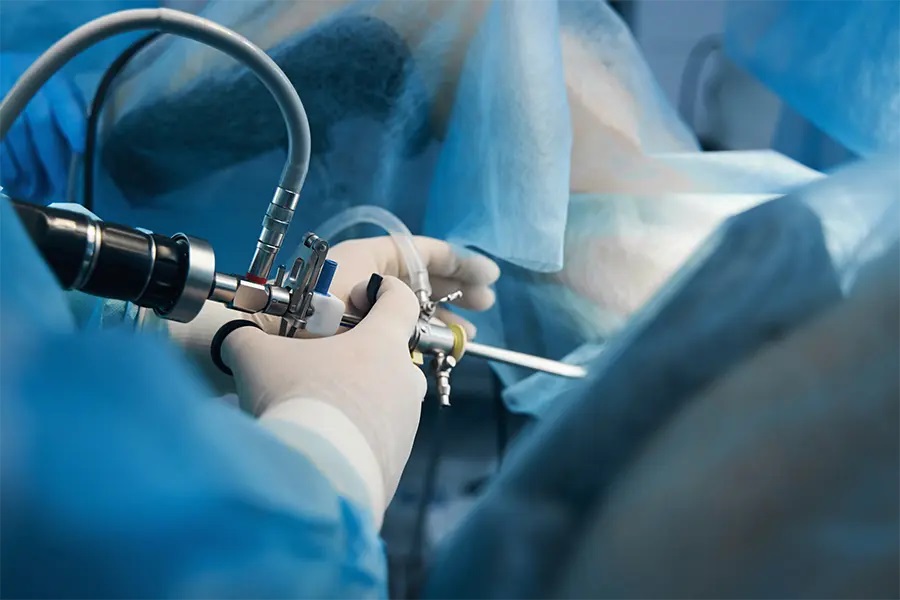
Uses smaller incisions, specialized instruments, and advanced imaging technology to reduce tissue damage and speed recovery.

Benefits of Early Surgical Evaluation

Waiting too long to seek treatment can sometimes result in permanent nerve damage.

Early evaluation by a Spine Specialist in San Antonio, TX offers several advantages:

  • Accurate diagnosis
  • Personalized treatment planning
  • Access to non-surgical options
  • Prevention of worsening symptoms
  • Better long-term outcomes
  • Improved quality of life 

What to Expect During Your Consultation

At the Brain and Spine Institute, San Antonio, Texas, every patient receives a comprehensive evaluation.

Your appointment may include:

Medical History Review

Your neurosurgeon will discuss:

  • Current symptoms
  • Previous injuries
  • Medical history
  • Prior treatments
  • Lifestyle factors 

Physical Examination

The examination evaluates:

  • Muscle strength
  • Reflexes
  • Sensation
  • Range of motion
  • Walking ability 

Diagnostic Imaging

Advanced imaging may include:

  • MRI
  • CT Scan
  • X-rays

These tests help identify the exact cause of your symptoms. 

Is Spine Surgery Safe?

Modern spine surgery has advanced tremendously over the past decade.

Today’s procedures benefit from:

  • Improved imaging technology
  • Minimally invasive techniques
  • Enhanced surgical precision
  • Faster recovery protocols
  • Lower complication rates

Choosing an experienced neurosurgeon significantly contributes to successful outcomes.

Recovery After Spine Surgery

Recovery varies depending on the procedure performed.

Patients are often encouraged to:

  • Walk soon after surgery
  • Follow rehabilitation instructions
  • Avoid heavy lifting
  • Attend follow-up appointments
  • Participate in physical therapy if recommended

Many minimally invasive procedures allow patients to return to daily activities much sooner than traditional surgery.

How to Protect Your Spine

Even if surgery isn’t necessary, maintaining good spinal health can reduce future problems.

Helpful habits include:

  • Maintain proper posture
  • Exercise regularly
  • Strengthen core muscles
  • Lift heavy objects correctly
  • Maintain a healthy weight
  • Avoid smoking
  • Stretch throughout the day
  • Stay physically active

Preventive care helps reduce stress on your spine and supports long-term mobility.

Why Choose Brain and Spine Institute, San Antonio, Texas?

Finding the right specialist is one of the most important decisions you can make for your spinal health.

At Brain and Spine Institute, San Antonio, Texas, patients receive compassionate, evidence-based care from Dr. Osama Ahmed, MD, FAANS, Neurosurgeon. Every treatment plan is tailored to the patient’s diagnosis, symptoms, and lifestyle. Whether non-surgical care or advanced spine surgery is recommended, the goal is always to relieve pain, restore function, and improve quality of life.

If you’re searching for a trusted Spine clinic in San Antonio offering advanced diagnostics and personalized treatment, our team is here to help.

Conclusion

Not every spine condition requires surgery, but knowing when surgical treatment becomes necessary can prevent long-term complications and improve your quality of life. Persistent pain, progressive weakness, numbness, or loss of function should never be ignored.

Consulting an experienced Spine Specialist in San Antonio, TX ensures you receive an accurate diagnosis and a personalized treatment plan tailored to your needs. At Brain and Spine Institute, San Antonio, Texas, Dr. Osama Ahmed, MD, FAANS, Neurosurgeon, is committed to helping patients find lasting relief through both non-surgical and advanced surgical spine care.

To schedule a consultation or learn more about your treatment options, call (210) 625-4733 today.

Frequently Asked Questions

  1. When should I see a Spine Specialist in San Antonio, TX?

You should seek evaluation if back or neck pain lasts longer than six weeks, worsens over time, or is accompanied by numbness, weakness, or difficulty walking. 

  1. Does every back problem require surgery?

No. Most spine conditions improve with physical therapy, medications, injections, or other conservative treatments. Surgery is usually recommended only when these options fail or neurological symptoms develop. 

  1. What conditions does a Spine doctor in San Antonio, TX treat?

A spine doctor commonly treats herniated discs, spinal stenosis, degenerative disc disease, sciatica, spinal fractures, spinal instability, and chronic neck or back pain. 

  1. Is minimally invasive spine surgery available?

Yes. Many spine conditions can be treated using minimally invasive techniques that involve smaller incisions, less tissue disruption, reduced pain, and faster recovery compared to traditional surgery. 

  1. How long does recovery from spine surgery take?

Recovery depends on the type of surgery and your overall health. Some minimally invasive procedures allow patients to return to light activities within a few weeks, while more complex surgeries may require several months of rehabilitation.

Why choose Brain and Spine Institute, San Antonio, Texas?

The Brain and Spine Institute, San Antonio, Texas, provides comprehensive spine care led by Dr. Osama Ahmed, MD, FAANS, Neurosurgeon. Patients receive individualized treatment plans, advanced diagnostic evaluations, and access to both non-surgical and surgical spine treatments.

Read here our more blogs:

https://bsiofsa.com/brain-surgeon-vs-neurosurgeon-understanding-the-difference/
https://bsiofsa.com/when-is-spinal-stenosis-surgery-necessary-a-complete-guide-for-san-antonio-patients/

https://bsiofsa.com/degenerative-disc-disease-treatment-in-san-antonio-tx-restoring-mobility-and-reducing-chronic-back-pain/

Categories
Neuro Surgeon Spine Specialist

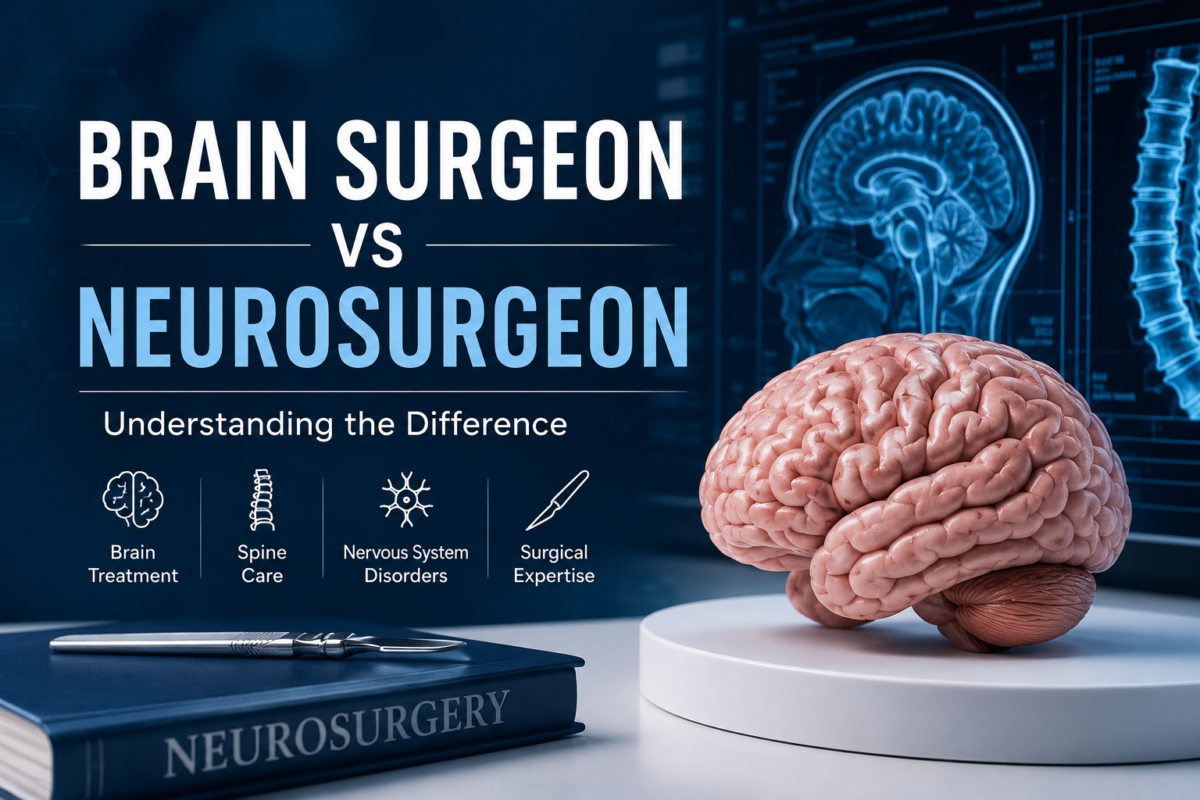
Brain Surgeon vs Neurosurgeon: Understanding the Difference

When searching for specialized neurological care, many patients come across terms such as Brain Surgeon Johnson City, TX and Neurosurgeon Johnson City TX and often wonder whether they refer to different medical professionals. Understanding the distinction between these terms can help patients make informed decisions about their healthcare needs. Whether you’re dealing with a brain tumor, spinal condition, traumatic injury, or neurological disorder, knowing who to consult is the first step toward effective treatment.

At Brain and Spine Institute San Antonio, Texas, our team is committed to educating patients about neurological health and helping them access the right care when they need it most.

What Is a Neurosurgeon?

A neurosurgeon is a highly trained medical specialist who diagnoses and surgically treats disorders affecting the nervous system. This includes:

  • The brain
  • Spinal cord
  • Peripheral nerves
  • Cerebrovascular system

Despite the name, neurosurgeons do much more than perform surgery. They also evaluate patients, develop treatment plans, prescribe non-surgical therapies, and manage neurological conditions throughout the treatment process.

A Neurosurgeon Johnson City, TX, may treat a wide range of conditions, including:

  • Brain tumors
  • Spinal disorders
  • Herniated discs
  • Stroke-related complications
  • Traumatic brain injuries
  • Peripheral nerve disorders
  • Hydrocephalus
  • Epilepsy

What Is a Brain Surgeon?

A brain surgeon is essentially a neurosurgeon who specializes primarily in surgical procedures involving the brain. While all brain surgeons are neurosurgeons, not all neurosurgeons focus exclusively on brain surgery.

Brain surgeons commonly perform procedures such as:

  • Brain tumor removal
  • Aneurysm repair
  • Deep brain stimulation
  • Epilepsy surgery
  • Skull base surgery
  • Trauma-related brain surgery

When someone searches for a Brain Surgeon Johnson City, TX, they are typically looking for a neurosurgical expert with significant experience in treating brain-related conditions.

Brain Surgeon vs Neurosurgeon: The Key Difference

The primary difference lies in specialization.

Neurosurgeon 

A neurosurgeon treats conditions affecting the entire nervous system, including both surgical and non-surgical management. 

Brain Surgeon

A brain surgeon focuses specifically on surgical procedures involving the brain and related structures.

Think of it this way:

  • Every brain surgeon is a neurosurgeon.
  • Not every neurosurgeon specializes exclusively in brain surgery.

This distinction becomes important when seeking treatment for specific neurological conditions.

Educational Path and Training

Both brain surgeons and neurosurgeons undergo extensive education and training.

Educational Requirements 

  1. Bachelor’s Degree
  2. Medical School (4 years)
  3. Neurosurgery Residency (6–8 years)
  4. Fellowship Training (Optional Specialization)

Brain surgeons often complete additional fellowship training focused on advanced brain procedures, tumor surgery, cerebrovascular surgery, or skull base surgery.

This rigorous training ensures they possess the expertise needed to handle complex neurological conditions safely and effectively.

Conditions Treated by Neurosurgeons

A Neurosurgeon Johnson City, TX, may diagnose and treat numerous conditions, including:

Brain Disorders 

  • Brain tumors
  • Brain aneurysms
  • Epilepsy
  • Traumatic brain injuries
  • Hydrocephalus 

Spine Conditions 

  • Herniated discs
  • Spinal stenosis
  • Degenerative disc disease
  • Spinal fractures
  • Scoliosis 

Nerve Disorders 

  • Carpal tunnel syndrome
  • Peripheral neuropathy
  • Trigeminal neuralgia 

Vascular Conditions 

  • Stroke complications
  • Arteriovenous malformations (AVMs)

Their broad expertise allows them to manage a wide variety of neurological disorders affecting patients of all ages.

Conditions Treated by Brain Surgeons 

A brain surgeon primarily focuses on diseases and injuries affecting the brain.

Common conditions include:

Brain Tumors

Both benign and malignant tumors may require surgical removal to relieve symptoms and prevent further complications. 

Cerebral Aneurysms

Brain surgeons can repair weakened blood vessels before rupture occurs. 

Epilepsy

Surgical intervention may help patients whose seizures cannot be controlled with medication. 

Brain Trauma 

Serious head injuries may require emergency surgery to reduce pressure and prevent long-term damage.

Movement Disorders 

Advanced procedures like deep brain stimulation can improve symptoms of Parkinson’s disease and other movement disorders.

When Should You See a Brain Specialist?

Many patients delay neurological evaluations because symptoms appear minor initially. However, early diagnosis can significantly improve outcomes.

Consider seeing a Brain specialist in Texas if you experience:

  • Persistent headaches
  • Chronic neck pain
  • Unexplained dizziness
  • Seizures
  • Memory problems
  • Weakness in the arms or legs
  • Difficulty speaking
  • Balance issues
  • Numbness or tingling sensations

These symptoms may indicate underlying neurological conditions that require professional evaluation.

How to Choose the Right Neurological Specialist

Finding the right specialist can make a significant difference in your treatment journey.

Look for Experience 

Choose a specialist with extensive experience treating your specific condition.

Verify Credentials 

Board certification demonstrates advanced training and expertise in neurological care.

Consider Technology 

Modern neurosurgical facilities offer advanced imaging, minimally invasive techniques, and improved surgical precision.

Read Patient Reviews 

Patient experiences can provide valuable insight into the quality of care and outcomes.

Seek Comprehensive Care 

A multidisciplinary approach often leads to better treatment planning and recovery.

If you’re searching online for a Neurological surgeon near me, focus on providers who offer comprehensive neurological evaluations and individualized treatment plans.

Advances in Modern Neurosurgery

Neurosurgery has advanced significantly in recent decades.

Innovations now include:

Minimally Invasive Surgery 

Smaller incisions lead to:

  • Reduced pain
  • Shorter hospital stays
  • Faster recovery
  • Lower risk of complications 

Image-Guided Surgery 

Advanced imaging allows surgeons to navigate complex brain structures with greater precision.

Robotic-Assisted Procedures 

Robotic systems enhance accuracy during delicate surgeries.

Neuro-Navigation Systems 

These technologies function similarly to GPS systems, helping surgeons identify exact treatment locations within the brain.

Patients today benefit from safer procedures and improved outcomes compared to previous generations.

What to Expect During a Neurological Consultation

During your first appointment, a specialist may:

Review Medical History 

Your doctor will discuss symptoms, medications, previous treatments, and family history.

Conduct a Neurological Examination 

This evaluation may assess:

  • Reflexes
  • Coordination
  • Muscle strength
  • Sensory function
  • Cognitive abilities 

Order Diagnostic Testing 

Common tests include:

  • MRI scans
  • CT scans
  • EEG testing
  • Nerve conduction studies

These evaluations help determine the most appropriate treatment plan.

Benefits of Early Neurological Care

Seeking medical attention promptly offers several benefits:

  • Earlier diagnosis
  • More treatment options
  • Better outcomes
  • Reduced risk of complications
  • Improved quality of life

Many neurological conditions respond more effectively when identified and treated during their early stages.

Why Expertise Matters in Neurosurgery

The brain and nervous system control nearly every function in the human body. Because of this complexity, choosing an experienced specialist is critical.

Whether you require treatment for a brain tumor, spinal disorder, aneurysm, or traumatic injury, working with a qualified Brain Surgeon Johnson City, TX or Neurosurgeon Johnson City, TX can significantly impact your recovery and long-term health.

At Brain and Spine Institute San Antonio, Texas, patients receive comprehensive evaluations, advanced treatment options, and compassionate care designed to support the best possible outcomes.

Conclusion

Understanding the difference between a brain surgeon and a neurosurgeon can help patients make informed healthcare decisions. While both specialists undergo extensive training and treat neurological conditions, brain surgeons focus primarily on surgical procedures involving the brain, whereas neurosurgeons manage conditions affecting the entire nervous system.

If you are experiencing neurological symptoms or have been diagnosed with a neurological condition, consulting a qualified Brain specialist in Texas can help you determine the most effective treatment path. Early intervention and expert care often lead to better outcomes and improved quality of life.

For expert neurological care and personalized treatment solutions, contact Brain and Spine Institute San Antonio, Texas at (210) 625-4733.

Frequently Asked Questions (FAQs)

  1. Is a brain surgeon different from a neurosurgeon?

A brain surgeon is a neurosurgeon who specializes primarily in surgical procedures involving the brain. Neurosurgeons may also treat spinal and peripheral nerve conditions. 

  1. When should I see a Neurosurgeon Johnson City, TX?

You should seek evaluation if you experience persistent headaches, seizures, neurological deficits, chronic back pain, or symptoms affecting movement and coordination. 

  1. What conditions does a Brain Surgeon Johnson City, TX treat?

Brain surgeons commonly treat brain tumors, aneurysms, epilepsy, traumatic brain injuries, and movement disorders. 

  1. Do all neurological conditions require surgery?

No. Many neurological conditions can be managed through medication, physical therapy, lifestyle modifications, or other non-surgical treatments. 

  1. How do I find a neurological surgeon near me?

Look for board-certified specialists with experience, positive patient reviews, advanced technology, and comprehensive treatment services. 

  1. What does a Brain specialist in Texas do?

A brain specialist evaluates, diagnoses, and treats conditions affecting the brain and nervous system, often collaborating with other healthcare providers. 

  1. Are minimally invasive brain surgeries available?

Yes. Many modern neurosurgical centers offer minimally invasive procedures that reduce recovery time and improve patient outcomes. 

  1. How long is recovery after brain surgery?

Recovery varies depending on the procedure, overall health, and condition being treated. Your surgeon will provide a personalized recovery plan.

Categories
Neuro Surgeon Spine Specialist

When Is Spinal Stenosis Surgery Necessary? A Complete Guide for San Antonio Patients

Spinal stenosis is a common condition that affects thousands of adults each year, especially those over the age of 50. While many people can successfully manage symptoms through conservative care, there are situations where Spinal stenosis surgery in San Antonio, TX becomes the most effective option for restoring mobility and improving quality of life. Understanding when surgery is necessary can help patients make informed decisions about their spinal health and seek timely treatment from an experienced Spine specialist in San Antonio, TX.

At Brain and Spine Institute San Antonio, Texas, Dr. Osama Ahmed, MD, FAANS, a highly skilled neurosurgeon, helps patients evaluate all available treatment options and determine the most appropriate path to long-term relief.

What Is Spinal Stenosis?

Spinal stenosis occurs when the spaces within the spine become narrowed, placing pressure on the spinal cord and surrounding nerves. This narrowing can develop gradually due to age-related changes or other underlying conditions.

The condition most commonly affects:

  • The lumbar spine (lower back)
  • The cervical spine (neck)

As the spinal canal narrows, nerve compression can cause pain, weakness, numbness, and mobility issues that worsen over time.

Common Causes of Spinal Stenosis

Several factors can contribute to spinal stenosis, including:

Age-Related Degeneration

The natural aging process often leads to wear and tear on spinal structures, resulting in narrowing of the spinal canal.

Herniated Discs

Bulging or ruptured discs may extend into the spinal canal and compress nearby nerves.

Bone Spurs

Arthritis can cause excess bone growth that reduces available space within the spinal canal.

Thickened Ligaments

Over time, spinal ligaments may thicken and encroach on nerve pathways.

Spinal Injuries

Trauma from accidents or sports injuries can alter spinal alignment and contribute to stenosis.

Congenital Conditions

Some individuals are born with a naturally narrow spinal canal, increasing their risk of developing symptoms later in life.

Symptoms of Spinal Stenosis

Symptoms vary depending on the location and severity of nerve compression.

Lumbar Spinal Stenosis Symptoms

  • Lower back pain
  • Leg pain or cramping
  • Numbness in the legs
  • Tingling sensations
  • Difficulty walking long distances
  • Weakness in the feet or legs 

Cervical Spinal Stenosis Symptoms

  • Neck pain
  • Arm numbness
  • Hand weakness
  • Difficulty with balance
  • Loss of coordination
  • Fine motor skill impairment

Many patients initially experience mild symptoms that progressively worsen without treatment.

Non-Surgical Spinal Stenosis Treatment Options

Before recommending surgery, physicians typically explore conservative approaches. Effective Spinal stenosis treatment in San Antonio, TX may include:

Physical Therapy

Targeted exercises help strengthen supporting muscles, improve flexibility, and reduce pressure on affected nerves.

Medication Management

Common medications include:

  • Anti-inflammatory drugs
  • Muscle relaxants
  • Pain relievers
  • Nerve pain medications 

Epidural Steroid Injections

Steroid injections may help decrease inflammation around compressed nerves and provide temporary symptom relief.

Activity Modification

Avoiding aggravating movements and maintaining proper posture can help manage symptoms.

Weight Management

Reducing excess body weight decreases stress on spinal structures and may alleviate discomfort.

While these treatments often provide meaningful relief, some patients continue to experience significant symptoms despite comprehensive non-surgical care.

When Is Spinal Stenosis Surgery Necessary?

Surgery is generally considered when conservative treatments fail to provide adequate symptom relief or when neurological complications develop.

Persistent Pain Despite Treatment

If pain continues for several months despite physical therapy, medications, and injections, surgery may become the next logical step.

Chronic pain can significantly impact daily activities, sleep quality, and emotional well-being.

Progressive Neurological Symptoms

Increasing weakness, numbness, or tingling may indicate worsening nerve compression.

Signs that require prompt evaluation include:

  • Difficulty walking
  • Loss of balance
  • Increasing leg weakness
  • Hand coordination problems 

Reduced Quality of Life

When symptoms interfere with work, exercise, hobbies, or daily responsibilities, surgical intervention may help restore function.

Loss of Bladder or Bowel Control

Although uncommon, severe nerve compression can lead to bladder or bowel dysfunction. This condition requires immediate medical attention and often emergency surgery.

Significant Spinal Cord Compression

Advanced imaging studies such as MRI scans may reveal severe compression that poses a risk of permanent neurological damage if left untreated.

Types of Spinal Stenosis Surgery

The appropriate surgical procedure depends on the location and severity of stenosis.

Laminectomy: A laminectomy removes part of the vertebral bone called the lamina to create more space for nerves. This procedure is one of the most common surgical treatments for spinal stenosis.

Laminotomy: A laminotomy involves removing only a portion of the lamina while preserving more spinal structure.

Foraminotomy: This procedure enlarges the openings through which spinal nerves exit the spinal canal.

Spinal Fusion: In cases involving spinal instability, fusion surgery may be performed to stabilize affected vertebrae.

Discectomy: When a herniated disc contributes to stenosis, removing the damaged disc material may relieve nerve pressure.

The Benefits of Minimally Invasive Spine Surgery

Many patients today are candidates for minimally invasive spine surgery in San Antonio, TX, which offers several advantages compared to traditional open procedures.

Smaller Incisions

Tiny incisions minimize tissue disruption and reduce visible scarring. 

Less Muscle Damage

Surgeons can access the spine while preserving surrounding muscles and soft tissues. 

Reduced Pain

Patients often experience less postoperative discomfort. 

Faster Recovery

Recovery times are frequently shorter compared to traditional surgery.

Lower Infection Risk

Smaller surgical openings may reduce the risk of complications.

Shorter Hospital Stays

Many minimally invasive procedures allow patients to return home sooner.

At Brain and Spine Institute San Antonio, Texas, advanced surgical techniques are utilized whenever appropriate to optimize outcomes and patient comfort.

What to Expect Before Surgery

Preparation begins with a comprehensive evaluation by a qualified Spine specialist in San Antonio, TX.

The assessment typically includes:

  • Medical history review
  • Physical examination
  • MRI imaging
  • CT scans if necessary
  • Neurological testing

Patients receive detailed information regarding:

  • Surgical goals
  • Expected outcomes
  • Recovery timelines
  • Potential risks and benefits

This collaborative process helps ensure informed decision-making.

Recovery After Spinal Stenosis Surgery

Recovery varies depending on the procedure performed and individual patient factors.

Immediately After Surgery

Most patients are encouraged to begin gentle movement shortly after surgery.

First Few Weeks

Recovery goals include:

  • Pain management
  • Walking regularly
  • Avoiding heavy lifting
  • Following activity restrictions 

Physical Therapy

Structured rehabilitation helps restore strength, flexibility, and mobility.

Long-Term Recovery

Many patients experience gradual improvement over several weeks or months as nerves heal and inflammation subsides.

Following postoperative instructions carefully plays a crucial role in achieving the best possible outcome.

How Successful Is Spinal Stenosis Surgery?

For appropriately selected patients, spinal stenosis surgery can provide substantial relief from symptoms and significantly improve quality of life.

Potential benefits include:

  • Reduced pain
  • Improved walking ability
  • Enhanced mobility
  • Better balance
  • Increased independence
  • Improved daily function

Success rates are often highest when surgery is performed before severe nerve damage becomes permanent.

Choosing the Right Spine Specialist

Selecting an experienced surgeon is one of the most important decisions in your treatment journey.

When evaluating a specialist, consider:

  • Board certifications
  • Neurosurgical expertise
  • Experience treating spinal stenosis
  • Advanced surgical techniques
  • Patient-centered care approach

Dr. Osama Ahmed, MD, FAANS, provides comprehensive spine care and personalized treatment plans designed to help patients achieve lasting relief and improved function.

Conclusion

Spinal stenosis can significantly impact mobility, comfort, and overall quality of life. While many patients benefit from conservative care, surgery may become necessary when symptoms persist, neurological deficits progress, or daily activities become increasingly limited. Modern treatment options, including minimally invasive spine surgery in San Antonio, TX, offer effective solutions with shorter recovery times and excellent outcomes for many patients.

If you are experiencing ongoing back, neck, or nerve-related symptoms, consulting an experienced Spine specialist in San Antonio, TX, can help determine the best course of action.

For expert evaluation and personalized Spinal stenosis treatment in San Antonio, TX, contact Brain and Spine Institute San Antonio, Texas today.

Call: (210) 625-4733

Frequently Asked Questions (FAQs)

  1. How do I know if I need spinal stenosis surgery?

You may need surgery if symptoms persist despite conservative treatment, significantly affect your quality of life, or cause progressive weakness, numbness, or mobility issues. 

  1. Is spinal stenosis surgery always necessary?

No. Many patients find relief through physical therapy, medications, injections, and lifestyle modifications before surgery becomes necessary. 

  1. What is the recovery time after spinal stenosis surgery?

Recovery varies depending on the procedure and patient health. Many individuals return to light activities within a few weeks, while complete recovery may take several months. 

  1. What are the advantages of minimally invasive spine surgery?

Benefits include smaller incisions, reduced pain, shorter hospital stays, faster recovery, and less tissue disruption. 

  1. Can spinal stenosis return after surgery?

While surgery effectively relieves nerve compression, age-related spinal changes can continue over time. Maintaining a healthy lifestyle and following medical guidance may help support long-term spine health. 

  1. Is spinal stenosis surgery safe for older adults?

Many older adults successfully undergo spinal stenosis surgery. A thorough evaluation helps determine whether surgery is appropriate based on overall health and specific symptoms. 

  1. Who should I see for spinal stenosis treatment in San Antonio?

Patients experiencing symptoms of spinal stenosis should consult an experienced Spine specialist in San Antonio, TX, such as Dr. Osama Ahmed, MD, FAANS, at Brain and Spine Institute San Antonio, Texas, for a comprehensive evaluation and personalized treatment recommendations.

Categories
Neuro Surgeon Spine Specialist

Degenerative Disc Disease Treatment in San Antonio, TX: Restoring Mobility and Reducing Chronic Back Pain

Back and neck pain can significantly impact your daily life, making even simple activities difficult. One common cause of chronic spinal pain is degenerative disc disease (DDD), a condition that occurs when the discs between the vertebrae gradually wear down over time. While disc degeneration is often associated with ageing, it can also result from injury, repetitive stress, or genetic factors.

For individuals seeking Degenerative Disc Disease Treatment in San Antonio, TX, understanding the condition and exploring the available treatment options is the first step toward lasting pain relief and improved mobility.

At Brain and Spine Institute San Antonio, Texas, patients receive comprehensive evaluations and personalized treatment plans designed to relieve pain, improve mobility, and help them return to an active

Understanding Degenerative Disc Disease

Degenerative disc disease is not actually a disease but a condition in which the spinal discs lose their flexibility, hydration, and shock-absorbing ability. These discs act as cushions between the vertebrae, allowing smooth movement and protecting the spine from everyday stress.

As discs deteriorate, they can lead to inflammation, instability, nerve compression, and chronic pain. Degenerative disc disease most commonly affects the lower back (lumbar spine) and neck (cervical spine).

Common Symptoms of Degenerative Disc Disease

Symptoms vary from person to person, but common signs include:

  • Persistent lower back or neck pain
  • Pain that worsens with sitting, bending, lifting, or twisting
  • Intermittent episodes of severe pain
  • Numbness or tingling in the arms or legs
  • Muscle weakness
  • Reduced flexibility and range of motion
  • Pain that radiates into the buttocks, thighs, or shoulders

If these symptoms interfere with your daily activities or quality of life, professional evaluation may be necessary.

What Causes Degenerative Disc Disease?

Several factors can contribute to disc degeneration, including: 

Aging

As people age, spinal discs naturally lose water content and elasticity, making them less effective at absorbing shock. 

Repetitive Stress

Jobs or activities involving repetitive bending, lifting, or twisting can accelerate disc wear. 

Injury or Trauma

Previous spinal injuries may contribute to faster degeneration and ongoing pain. 

Genetics

Some individuals may be genetically predisposed to developing degenerative spinal conditions.

Lifestyle Factors

Smoking, obesity, and poor posture can increase stress on the spine and contribute to disc deterioration.

How Degenerative Disc Disease Is Diagnosed

Accurate diagnosis is essential for effective treatment. A spine specialist may use:

  • Comprehensive medical history review
  • Physical examination
  • Neurological evaluation
  • X-rays
  • MRI scans
  • CT imaging when necessary

These diagnostic tools help determine the extent of degeneration and identify any associated nerve compression or spinal instability.

Non-Surgical Degenerative Disc Disease Treatments

Many patients find relief through conservative treatments without requiring surgery.

Physical Therapy

Targeted exercises help strengthen supporting muscles, improve flexibility, and reduce stress on the spine.

Pain Management

Treatment options may include:

  • Anti-inflammatory medications
  • Muscle relaxants
  • Activity modification
  • Guided rehabilitation programs 

Epidural Steroid Injections

Injections may help reduce inflammation around irritated nerves and provide temporary pain relief.

Lifestyle Modifications

Maintaining a healthy weight, improving posture, and staying physically active can significantly reduce symptoms and slow progression.

When Surgery May Be Recommended

If conservative treatments fail to provide adequate relief, surgical intervention may be considered.

Surgery may be recommended when patients experience:

  • Severe chronic pain
  • Progressive nerve damage
  • Significant weakness
  • Loss of mobility
  • Reduced quality of life despite non-surgical care

Modern spine surgery techniques focus on minimizing tissue disruption and promoting faster recovery whenever possible.

Surgical Options for Degenerative Disc Disease

Depending on the severity of the condition, treatment options may include:

Minimally Invasive Spine Surgery

These advanced procedures use smaller incisions and specialized instruments to reduce recovery time and postoperative discomfort.

Spinal Decompression Procedures

Spinal decompression may help relieve pressure on compressed nerves caused by degenerative changes.

Spinal Fusion Surgery

Fusion procedures may be recommended when spinal instability contributes to ongoing pain and dysfunction.

A qualified spine specialist can determine the most appropriate treatment plan based on each patient’s condition and goals.

Benefits of Early Treatment

Seeking treatment early can provide several advantages:

  • Reduced pain and discomfort
  • Improved mobility and function
  • Better long-term spinal health
  • Lower risk of nerve damage
  • Enhanced quality of life
  • Greater ability to participate in daily activities

Early intervention often leads to more effective outcomes and may reduce the need for extensive procedures in the future.

Why Choose Brain and Spine Institute San Antonio, Texas?

At Brain and Spine Institute San Antonio, Texas, patients receive compassionate, patient-centered care from experienced spine specialists dedicated to achieving the best possible outcomes.

Patients choose the institute because of its:

  • Comprehensive spine evaluations
  • Advanced diagnostic technology
  • Personalized treatment plans
  • Non-surgical and surgical treatment options
  • Focus on minimally invasive techniques whenever appropriate
  • Commitment to long-term patient wellness

Whether you’re experiencing mild discomfort or chronic spinal pain, expert care can help you find the right path toward relief.

Schedule a Consultation

If you are struggling with persistent back or neck pain, professional evaluation can help identify the underlying cause and determine the most effective treatment options.

Phone: (210) 625-4733

Contact the team today to learn more about available treatment options for degenerative disc disease and take the first step toward improved spinal health.

Frequently Asked Questions

What is the most common symptom of degenerative disc disease?

Chronic back or neck pain that worsens with movement or prolonged sitting is one of the most common symptoms.

Can degenerative disc disease be treated without surgery?

Yes. Many patients experience significant relief through physical therapy, pain management, injections, and lifestyle modifications.

Is degenerative disc disease a normal part of aging?

Disc degeneration is common with age, but not everyone develops symptoms. Treatment is recommended when pain or mobility issues occur.

How do I know if I need surgery?

Surgery may be considered if conservative treatments fail to relieve symptoms or if nerve compression causes weakness or loss of function.

How long does recovery take after spine surgery?

Recovery varies depending on the procedure and individual health factors. Your spine specialist can provide a personalized recovery timeline.

Can lifestyle changes help manage degenerative disc disease?

Yes. Maintaining a healthy weight, exercising regularly, avoiding smoking, and practicing proper posture can help reduce symptoms and support spinal health.

Read more blogs here: 

https://bsiofsa.com/orthopedic-spine-surgeon-vs-neurosurgeon-key-differences/

https://bsiofsa.com/lumbar-epidural-injection-benefits-and-recovery/

https://bsiofsa.com/spinal-stenosis-surgery-when-is-it-the-right-choice-for-lasting-relief/