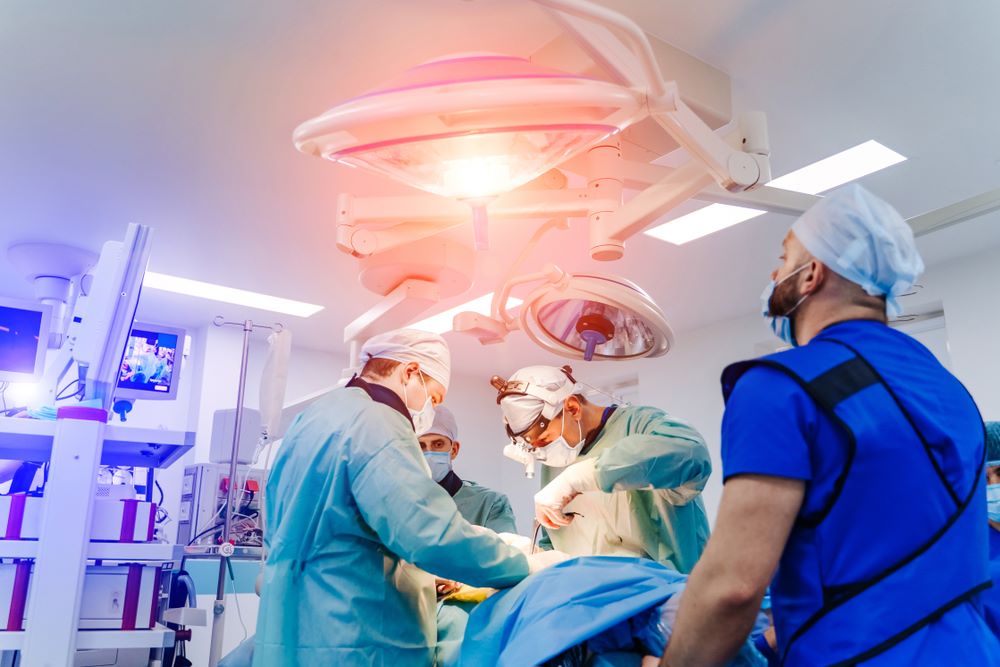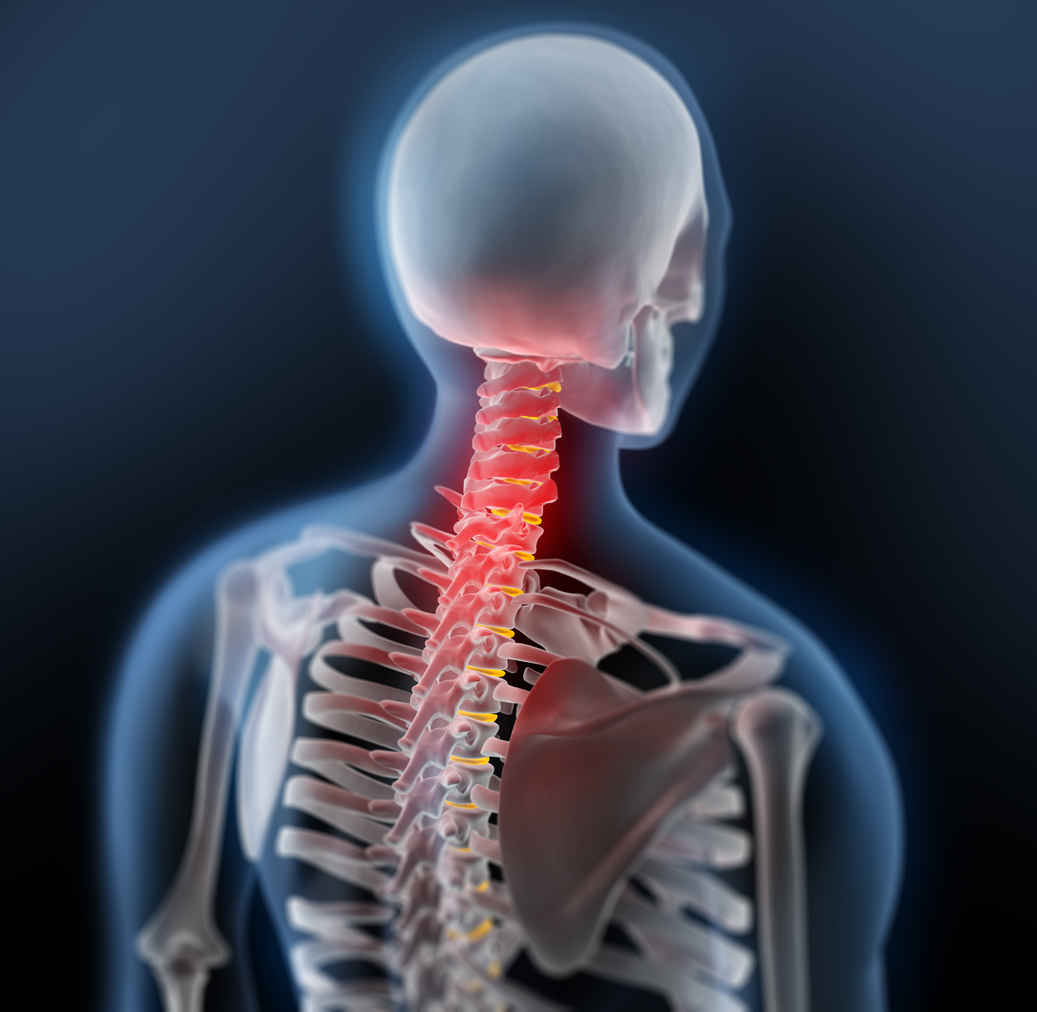

Living with persistent back or neck pain can change everything: how you sleep, work, play with your kids, or simply get out of a chair. When rest, medication, physical therapy, and injections stop providing relief, your doctor may bring up surgery. For many people, that word brings worry about long hospital stays, painful recoveries, and months away from normal life.
The good news is that spine surgery has changed significantly. If you are researching minimally invasive spine surgery in Boerne, TX, you have probably come across two terms: minimally invasive and traditional (open) spine surgery. Both can be effective, and each has its place. Understanding how they differ helps you have a more informed conversation with your surgeon and choose the path that fits your condition and goals.
This guide explains what each approach involves, how they compare, and how to know which may be right for you.
What Is Traditional Spine Surgery?
Traditional spine surgery, often called open spine surgery, has been the standard for decades. In an open procedure, the surgeon makes a larger incision over the affected area of the spine. The muscles along the spine are moved aside or detached from the bone so the surgeon has a direct, unobstructed view of the vertebrae, discs, and nerves.
This wide view lets the surgeon perform a range of corrections, including:
- Removing a herniated disc or bone spurs pressing on nerves
- Decompressing the spinal canal (laminectomy)
- Fusing two or more vertebrae together (spinal fusion)
- Correcting deformities such as severe scoliosis
- Placing rods, screws, or other hardware for stability
Open surgery is a proven technique with a long track record. However, because the muscles and surrounding tissue are disturbed more extensively, recovery can involve more post-operative pain, a longer hospital stay, and a longer rehabilitation period.
What Is Minimally Invasive Spine Surgery?
Minimally invasive spine surgery (MISS) treats many of the same conditions as open surgery, but through much smaller incisions and with less disruption to healthy tissue. Instead of pulling muscles away from the spine, the surgeon uses specialized instruments that gently separate muscle fibers to reach the problem area.
Common tools and techniques include:
- Tubular retractors: Small tube-shaped devices that create a narrow working channel to the spine
- Endoscopes and microscopes: Tiny cameras and magnification that let the surgeon see the surgical site clearly through a small opening
- Real-time imaging (fluoroscopy and navigation): Live X-ray guidance that helps place instruments and implants with precision
- Specialized micro-instruments: Designed to work through small openings while protecting nerves and muscle
The goal is the same as traditional surgery: relieve pressure on nerves, stabilize the spine, or correct the source of pain. The difference is how the surgeon gets there.
Key Differences: Minimally Invasive vs. Traditional Spine Surgery
1. Incision Size
Open spine surgery typically requires an incision several inches long. Minimally invasive procedures often use one or more small incisions, frequently around an inch or less. Smaller incisions generally mean less visible scarring.
2. Muscle and Tissue Disruption
This is the most meaningful difference. In open surgery, muscles are retracted and sometimes cut away from the spine, which can lead to postoperative soreness and muscle weakness. Minimally invasive techniques dilate or gently spread muscle tissue, helping preserve the natural anatomy and supporting structures of the back.
3. Blood Loss
Because less tissue is disturbed, minimally invasive procedures often involve less blood loss during surgery. This can reduce the need for transfusions and may contribute to a smoother recovery.
4. Hospital Stay
Many patients who undergo minimally invasive spine surgery go home sooner, sometimes the same day or after an overnight stay. Traditional open surgery more often involves a hospital stay of several days, depending on the procedure and the patient’s health.
5. Pain and Recovery Time
Patients often report less post-operative pain after minimally invasive procedures, which can mean reduced reliance on pain medication. Recovery is often faster, with many people returning to daily activities and work sooner than after open surgery. Individual results vary depending on the condition treated, overall health, and how closely you follow your rehabilitation plan.
6. Risk of Infection
Smaller incisions and less exposed tissue may lower the risk of surgical site infection. Every surgery carries some risk, but minimizing tissue exposure can be a benefit.
7. Complexity of the Condition
This is where traditional surgery still matters. Some conditions, such as complex spinal deformities, severe instability, tumors, or cases requiring extensive reconstruction, may need the broader access of an open approach. Minimally invasive surgery is a powerful option, but it is not appropriate for every patient or every diagnosis.
Conditions Commonly Treated With Minimally Invasive Spine Surgery
Depending on your diagnosis and imaging, a minimally invasive approach may help with:
- Herniated or bulging discs causing sciatica or radiating leg or arm pain
- Spinal stenosis, where narrowing of the spinal canal compresses nerves
- Degenerative disc disease
- Spondylolisthesis, where one vertebra slips over another
- Pinched nerves (radiculopathy) in the neck or lower back
- Certain spinal fractures
- Instability requiring fusion, in selected cases
A thorough evaluation, including a physical exam and imaging such as MRI or CT, is essential to determine whether you are a candidate.
Benefits of Choosing a Minimally Invasive Approach
When appropriate, patients who choose minimally invasive spine surgery may enjoy several advantages:
- Smaller scars and less tissue trauma
- Reduced blood loss
- Lower post-operative pain
- Shorter hospital stay, or outpatient surgery
- Faster return to normal activities
- Lower risk of complications such as infection
- Preservation of healthy muscle and surrounding structures
These benefits are why so many patients ask about minimally invasive options first. Still, the best procedure is the one that safely and effectively treats your specific problem.
Are There Drawbacks to Minimally Invasive Surgery?
An honest conversation about surgery includes limitations. Minimally invasive procedures require advanced training and specialized equipment, and the surgeon works through a smaller field of view, which is why experience matters. In some situations, a surgeon may begin with a minimally invasive plan and need to convert to an open approach if the anatomy requires it. This is a safety decision, not a failure.
Also, not every insurance plan or facility handles every technique the same way. Discussing coverage and expectations during your consultation helps avoid surprises.
How to Decide Which Surgery Is Right for You
Choosing between minimally invasive and traditional spine surgery is not about picking the “newer” option. It is about matching the right technique to your diagnosis, anatomy, and lifestyle. Your surgeon will consider:
- Your diagnosis and the severity of the condition
- Results of your imaging and neurological exam
- How you have responded to non-surgical treatment, such as physical therapy, medication, and injections
- Your age, overall health, and activity level
- Your personal goals for recovery and return to activity
Surgery is rarely the first step. Most spine specialists recommend conservative care first and consider surgery only when symptoms persist, worsen, or involve nerve compression that threatens function.
What to Expect Before and After Surgery
Before surgery: You will have a full evaluation, imaging review, and a detailed discussion of risks, benefits, and alternatives. You should leave with clear answers to your questions and a plan you feel confident about.
After surgery: Recovery instructions vary, but often include a gradual return to walking, guided physical therapy, wound care, and activity limits for a period of time. Following your surgeon’s plan closely is one of the biggest factors in a successful outcome.
Meet Dr. Osama Ahmed at Brain and Spine Institute
If you are exploring spine surgery in Boerne, TX, choosing an experienced specialist matters. Dr. Osama Ahmed at the Brain and Spine Institute in San Antonio, Texas provides advanced evaluation and treatment for a wide range of spine conditions, including minimally invasive options when they are appropriate. Patients from Boerne and the surrounding Texas Hill Country area can access personalized care focused on accurate diagnosis, clear communication, and treatment plans built around their needs.
Whether you need a second opinion or are ready to explore your options, a consultation can give you clarity, and often peace of mind.
Take the Next Step Toward Relief
You do not have to live with chronic spine pain. If you are considering minimally invasive spine surgery in Boerne, TX, or simply want to understand whether surgery is right for you, Dr. Osama Ahmed and the team at the Brain and Spine Institute are here to help.
Book your appointment today to discuss your symptoms, review your options, and build a personalized plan for getting back to the life you love.
???? Call (210) 625-4733 to schedule your consultation.
Frequently Asked Questions (FAQs)
1. What is minimally invasive spine surgery?
Minimally invasive spine surgery uses small incisions, specialized instruments, and advanced imaging to treat spine conditions while limiting damage to surrounding muscles and tissue. It aims to relieve pain and restore function with a potentially faster recovery than traditional open surgery.
2. Is minimally invasive spine surgery better than traditional spine surgery?
Not always. It offers advantages like smaller incisions, less blood loss, and often faster recovery, but the best approach depends on your condition. Some complex problems still require open surgery. Your surgeon will recommend the safest and most effective option for you.
3. Am I a candidate for minimally invasive spine surgery?
Candidacy depends on your diagnosis, imaging results, overall health, and previous treatments. Many people with herniated discs, spinal stenosis, or certain forms of instability are candidates, but only a thorough evaluation can confirm this.
4. How long is recovery after minimally invasive spine surgery?
Recovery varies by procedure and by patient. Many people return to light activity within days or weeks and to more demanding activity over the following weeks to months. Your surgeon and physical therapist will guide your timeline.
5. Is minimally invasive spine surgery painful?
Some discomfort is normal after any surgery, but patients often experience less post-operative pain than with open surgery. Pain is managed with a personalized plan.
6. Will I need to stay in the hospital?
Some minimally invasive procedures are done on an outpatient basis or with a short stay. Open surgeries more often require several days in the hospital. Your length of stay depends on the procedure and your health.
7. Does insurance cover minimally invasive spine surgery?
Coverage varies by insurance plan and procedure. Our team can help you understand your benefits and next steps when you schedule a consultation.
8. When should I see a spine surgeon?
Consider a consultation if you have back, neck, arm, or leg pain that persists despite conservative care, or if you experience numbness, weakness, or loss of function. Seek emergency care right away for sudden loss of bladder or bowel control or rapid-onset weakness.