
Back pain can interfere with every aspect of your life—from work productivity to simple daily movements. If you are searching for reliable Back pain treatment in San Antonio, TX, understanding how to manage and prevent discomfort is the first step toward long-term relief. Whether your pain is mild or chronic, combining healthy habits with expert care can significantly improve your condition.
At Brain and Spine Institute, San Antonio, Texas, we help patients regain mobility and live pain-free with advanced, personalised spine care solutions. Below are practical, easy-to-follow tips that can help you take control of your back health.
1. Stay Hydrated to Support Spinal Health
Hydration is often overlooked when it comes to back pain relief. Your spinal discs rely on water to maintain flexibility and absorb shock. When your body is dehydrated, discs can lose their cushioning ability, leading to stiffness and discomfort.
Drinking at least 7–8 glasses of water daily helps reduce inflammation and supports natural healing. For many individuals, proper hydration alone can ease mild back pain symptoms and improve overall mobility.
2. Avoid Strain and Practice Safe Movements
One of the most common causes of back pain is improper lifting or sudden movements. Bending incorrectly or lifting heavy objects can put excessive pressure on your spine.
To prevent injury:
- Always bend your knees while lifting
- Keep objects close to your body
- Avoid twisting your spine while carrying weight
If your job involves physical activity, consulting a back pain doctor in San Antonio can help you learn safe movement techniques and prevent long-term damage.
3. Choose Supportive Footwear
Your footwear plays a major role in spinal alignment. High heels or unsupportive shoes can shift your body weight unevenly, causing strain on your lower back.
Switching to comfortable, well-cushioned shoes helps:
- Improve posture
- Reduce pressure on the spine
- Prevent muscle fatigue
This simple change can make a noticeable difference, especially for individuals dealing with chronic lower back pain.
4. Stay Active with Low-Impact Exercise
While rest may seem like the best solution, too much inactivity can actually worsen back pain; gentle movement keeps your muscles flexible and prevents stiffness.
Effective low-impact exercises include:
- Walking
- Swimming
- Light stretching
- Yoga
Even 15–20 minutes of daily activity can improve circulation and support recovery. Regular exercise is a key part of any back pain treatment plan recommended by specialists.
5. Improve Your Sleeping Position
Poor sleeping posture can aggravate existing back problems. The way you sleep directly affects spinal alignment and muscle relaxation.
For better results:
- Sleep on your side with a pillow between your knees
- Use a medium-firm mattress
- Avoid sleeping on your stomach
Proper support during sleep allows your spine to rest in a neutral position, reducing morning stiffness and discomfort.
6. Upgrade Your Work Setup
If you spend long hours sitting, your workstation could be the root cause of your pain. Poor posture and unsupportive chairs lead to chronic strain on the spine.
To improve your setup:
- Use an ergonomic chair with lumbar support
- Keep your screen at eye level
- Sit with your feet flat on the floor
Making these adjustments can significantly reduce the risk of developing chronic pain and improve productivity.
7. Maintain Good Posture Throughout the Day
Posture is one of the most important factors in preventing back pain. Slouching or hunching forward puts unnecessary stress on your spine and surrounding muscles.
Focus on:
- Keeping your shoulders relaxed
- Aligning your ears with your shoulders
- Engaging your core muscles
Over time, maintaining proper posture can reduce strain and support long-term spinal health.
8. Manage Weight to Reduce Pressure on Your Spine
Excess body weight, especially around the abdomen, can shift your centre of gravity and place additional stress on your lower back.
Maintaining a healthy weight helps:
- Reduce spinal pressure
- Improve mobility
- Lower the risk of chronic pain
A balanced diet combined with regular exercise is essential for overall health and effective back pain relief.
9. Use Heat and Cold Therapy
Simple home remedies can provide immediate relief from discomfort.
- Cold packs help reduce inflammation and swelling
- Heat therapy relaxes muscles and improves blood flow
Alternating between heat and cold can be highly effective for managing acute pain episodes.
10. Know When to See a Spine Specialist
While home remedies can help, persistent or severe pain requires professional evaluation. Ignoring symptoms can lead to more serious conditions over time.
You should consult a spine specialist in San Antonio, TX if you experience:
- Pain lasting more than a few weeks
- Numbness or tingling
- Difficulty standing or walking
- Pain radiating to the legs or arms
Early diagnosis ensures better outcomes and prevents complications.
Advanced Back Pain Treatment in San Antonio, TX
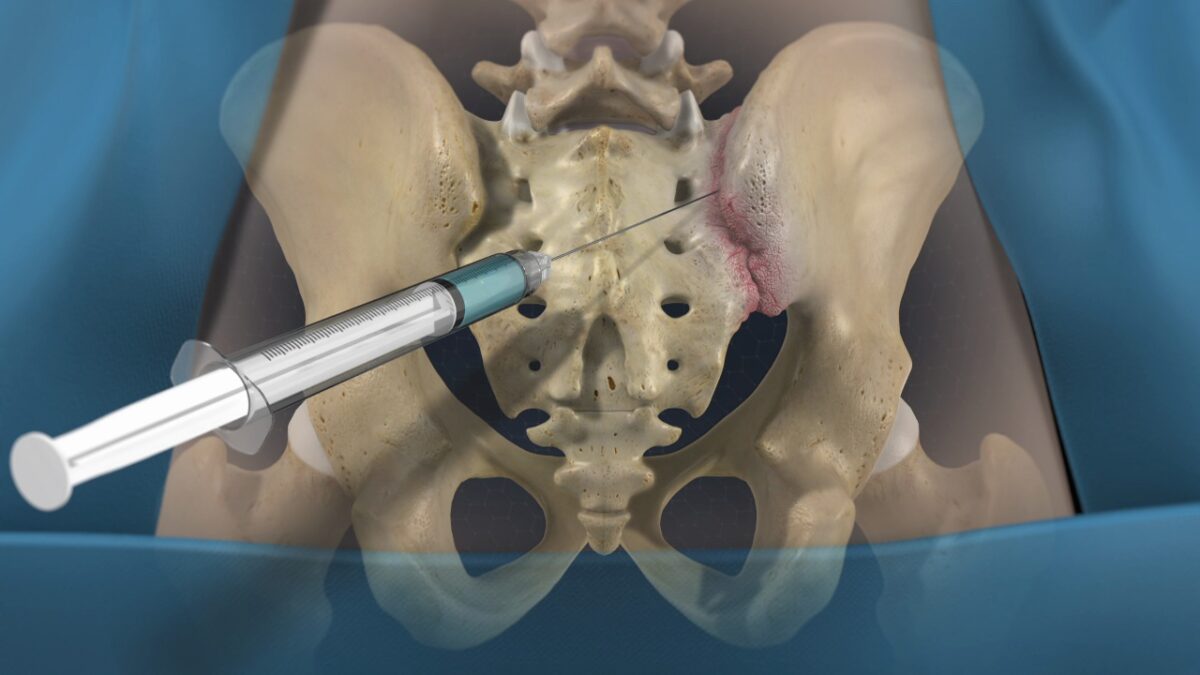
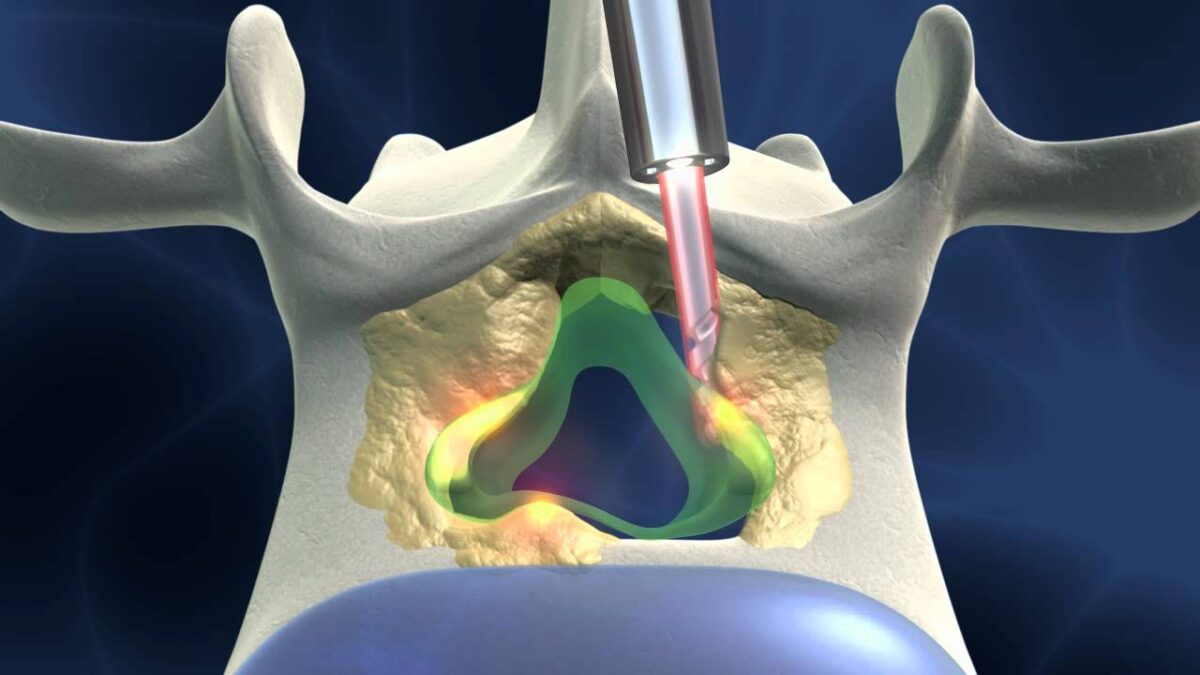
At theBrain and Spine Institute in San Antonio, Texas, patients receive comprehensive care tailored to their specific condition. From non-surgical therapies to advanced spine procedures, the focus is always on restoring function and improving quality of life.
Our approach includes:
- Accurate diagnosis using advanced imaging
- Personalised treatment plans
- Minimally invasive procedures when required
- Ongoing rehabilitation and support
If you’re searching for a trusted back pain clinic in San Antonio, our team is here to help you every step of the way.
Why Choose Brain and Spine Institute, San Antonio, Texas?
Patients trust us because we offer:
- Experienced spine specialists
- Patient-focused care
- Advanced treatment options
- Proven results
We understand that every case is different, and our goal is to provide effective solutions that deliver lasting relief.
???? Take the First Step Toward a Pain-Free Life
Don’t let back pain control your routine. With the right care and guidance, recovery is possible.
???? Call Now: (210) 625-4733
???? Book your consultation with a leading back pain doctor in San Antonio today.
FAQs – Back Pain Treatment San Antonio, TX
1. What is the best treatment for back pain?
The best treatment depends on the cause. It may include physical therapy, medication, lifestyle changes, or advanced procedures recommended by a specialist.
2. When should I see a doctor for back pain?
If your pain lasts more than a few weeks or worsens over time, it’s important to consult a specialist for proper evaluation.
3. Can back pain go away on its own?
Mild cases may improve with rest and self-care, but chronic pain often requires professional treatment.
4. What are common causes of back pain?
Common causes include poor posture, muscle strain, herniated discs, and spinal conditions.
5. How can I prevent back pain?
Maintaining good posture, staying active, using ergonomic furniture, and lifting properly can help prevent back pain.