Categories
Neuro Surgeon Spine Specialist

Scoliosis Spinal Surgery: Diagnosis and Treatment Options

Scoliosis is a condition that can lead to severe spinal curvature, chronic pain, and mobility challenges. For patients in San Antonio, Texas, seeking expert care, scoliosis spinal surgery in San Antonio, TX, provides an effective solution when non-surgical treatments are no longer sufficient. At the Brain and Spine Institute, led by Dr. Osama Ahmed, patients receive personalized treatment plans and access to both modern surgical and non-surgical scoliosis care.

Scoliosis can affect children, teens, and adults, and early diagnosis by a trusted scoliosis specialist in San Antonio, TX, is vital for preventing progression and long-term complications. This guide explains scoliosis, when surgery is needed, treatment options, recovery expectations, and why choosing the right specialist matters.

What Is Scoliosis?

Scoliosis is a condition where the spine curves abnormally to the side, often forming an “S” or “C” shape. While mild scoliosis may not cause symptoms, moderate to severe cases can result in:

  • Chronic back or neck pain
  • Uneven shoulders or hips
  • Reduced lung capacity
  • Nerve compression
  • Difficulty standing or walking for extended periods

Scoliosis is commonly categorized into:

  • Idiopathic scoliosis (most common, unknown cause)
  • Congenital scoliosis (present at birth)
  • Neuromuscular scoliosis (linked to conditions like cerebral palsy)
  • Degenerative scoliosis (develops in adults due to aging) 

When Is Scoliosis Spinal Surgery Necessary?

Not every scoliosis patient requires surgery. However, scoliosis spinal surgery in San Antonio, TX, may be recommended if:

  • The spinal curve exceeds 40–50 degrees
  • Pain does not improve with conservative treatment
  • Breathing or nerve function is affected
  • The curve continues to worsen
  • Quality of life is significantly reduced

Dr. Osama Ahmed carefully evaluates each patient to determine whether surgery or non-surgical care is the best option.

Diagnosis by a Scoliosis Specialist in San Antonio, TX

Accurate diagnosis is essential before deciding on treatment. At the Brain and Spine Institute, San Antonio, Texas, patients undergo a comprehensive evaluation that may include:

  • Physical examination
  • X-rays to measure curve severity
  • MRI or CT scans to assess nerves and discs
  • Postural and gait analysis

As a leading scoliosis specialist in San Antonio, TX, Dr. Ahmed ensures that every diagnosis is precise and treatment plans are fully personalized.

Non-Surgical Treatment Options for Scoliosis

Before surgery is considered, many patients benefit from conservative treatments such as:

  1. Physical Therapy
  • Improves posture and flexibility
  • Strengthens spinal muscles
  • Reduces pain and stiffness 
  1. Bracing
  • Often used for children and teens
  • Helps prevent curve progression 
  1. Pain Management
  • Anti-inflammatory medications
  • Targeted spinal injections

Non-surgical approaches can be highly effective for mild to moderate scoliosis, predominantly when guided by an experienced spine specialist.

Advanced Scoliosis Spinal Surgery Options

When conservative care is no longer effective, scoliosis spinal surgery in San Antonio, TX, offers lasting relief and structural correction. 

  1. Spinal Fusion Surgery

The most common surgical procedure for scoliosis, spinal fusion, permanently connects affected vertebrae to correct alignment and prevent further curvature.

Benefits include:

  • Long-term stability
  • Reduced pain
  • Improved posture 
  1. Minimally Invasive Scoliosis Surgery

Advanced techniques use smaller incisions, resulting in:

  • Less blood loss
  • Shorter hospital stays
  • Faster recovery times 
  1. Adult Degenerative Scoliosis Surgery

For adults with worsening curvature due to aging, surgery may also address disc degeneration and nerve compression.

Dr. Osama Ahmed utilizes cutting-edge surgical methods to ensure patient safety and optimal outcomes. 

What to Expect Before and After Surgery

Before Surgery

  • Detailed imaging and pre-operative testing
  • Customized surgical planning
  • Clear explanation of risks and benefits 

After Surgery

  • Hospital stay of a few days
  • Physical therapy and guided rehabilitation
  • Gradual return to daily activities

Most patients experience significant improvement in pain, posture, and mobility within months of surgery.

Why Choose Brain and Spine Institute, San Antonio, Texas?

Choosing the right spine center is critical for successful outcomes. Patients trust the Brain and Spine Institute in San Antonio, Texas, because of:

  • Expertise of Dr. Osama Ahmed
  • Advanced diagnostic technology
  • Personalized care plans
  • State-of-the-art surgical techniques
  • Compassionate, patient-first approach

Call Now: (210) 625-4733

If you’re searching for a trusted scoliosis specialist in San Antonio, TX, this institute offers comprehensive care from diagnosis to recovery.

Recovery and Long-Term Results

Recovery timelines vary based on the type of surgery and patient health, but many patients report:

  • Improved spinal alignment
  • Reduced chronic pain
  • Better breathing and posture
  • Enhanced quality of life

Following post-operative instructions and participating in physical therapy ensures the best long-term results. 

Frequently Asked Questions (FAQ)

Q1: Is scoliosis spinal surgery safe?

Yes, when performed by an experienced specialist like Dr. Osama Ahmed, scoliosis surgery is safe and highly effective, thanks to modern techniques. 

Q2: How long does scoliosis surgery recovery take?

Initial recovery takes a few weeks, while full recovery may take several months, depending on the procedure.

Q3: Can adults undergo scoliosis spinal surgery?

Absolutely. Many adults benefit from scoliosis spinal surgery in San Antonio, TX, to relieve pain and improve mobility. 

Q4: Will scoliosis surgery completely straighten my spine?

The goal is significant correction and stability, not perfection. Most patients see dramatic improvement in posture and pain relief.

Q5: How do I book an appointment with a scoliosis specialist in San Antonio, TX?

You can schedule a consultation by calling (210) 625-4733 or by visiting the Brain and Spine Institute in Live Oak, San Antonio, Texas.
Categories
Neuro Surgeon Spine Specialist

Understanding Brain, Spine, and Nerve Care: A Complete Guide for Patients in Austin

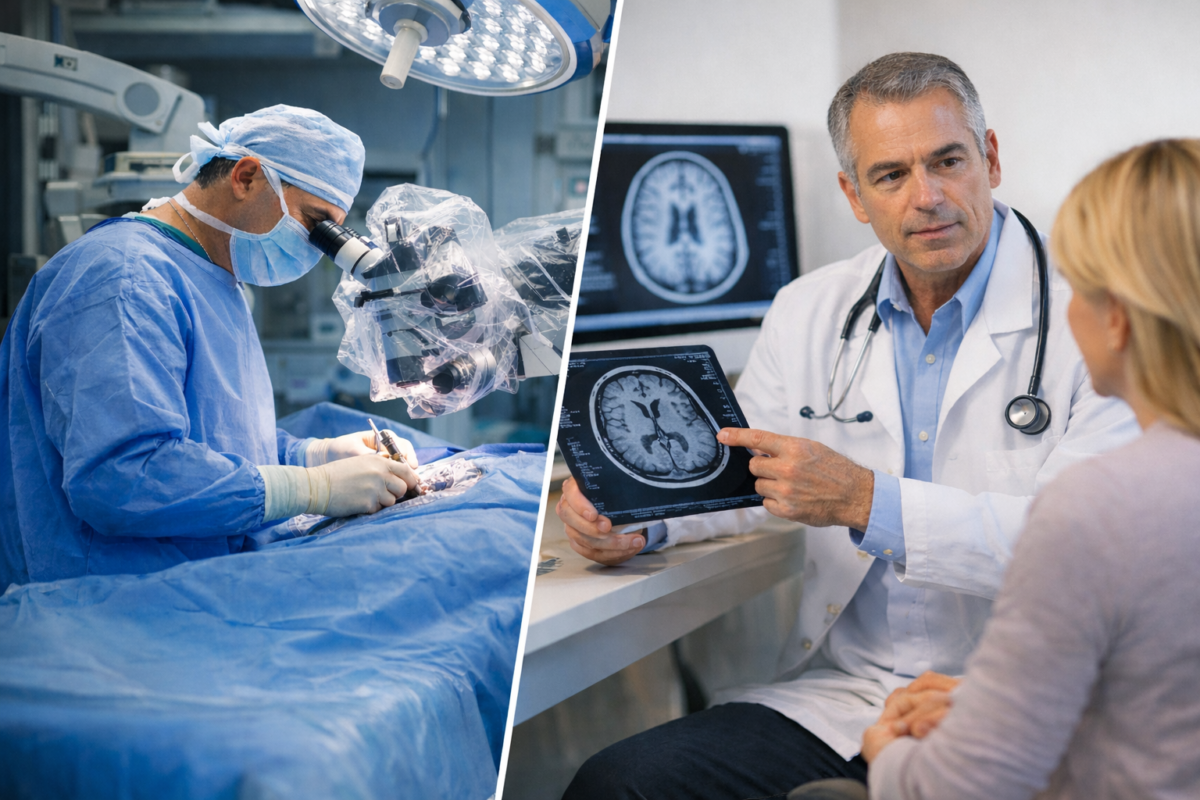
When dealing with complex brain, nerve, or spine conditions, finding the right Neurosurgeon in Austin or a qualified Neurologist that Austin patients can trust is essential. Neurological and spinal disorders can affect mobility, sensation, and overall quality of life, making early diagnosis and proper treatment critically important.

This educational guide explains the differences between neurology and neurosurgery, common spine conditions, and when spine surgery treatment may be required—helping patients make informed healthcare decisions.

Introduction to Neurology and Neurosurgery

The nervous system is one of the most complex systems in the human body. It controls movement, sensation, balance, memory, and organ function. Disorders affecting the brain, spinal cord, or nerves often require specialized medical expertise.

Two primary specialties address these conditions:

  • Neurologists diagnose and manage neurological disorders using non-surgical treatments.
  • Neurosurgeons treat conditions that may require surgical intervention, particularly involving the brain and spine.

Understanding these roles helps patients choose the appropriate specialist for their condition.

What Does a Neurologist Do?

A Neurologist Austin patient’s consult focuses on diagnosing and treating disorders of the nervous system without surgery. Neurologists manage both chronic and acute neurological conditions through medications, lifestyle changes, and advanced diagnostic testing.

Common Conditions Treated by Neurologists

  • Migraines and chronic headaches
  • Epilepsy and seizure disorders
  • Stroke and post-stroke care
  • Parkinson’s disease
  • Multiple sclerosis
  • Peripheral neuropathy
  • Memory disorders such as Alzheimer’s disease

Neurologists often serve as the first point of contact for patients experiencing neurological symptoms such as numbness, weakness, tremors, dizziness, or unexplained pain.

What Is the Role of a Neurosurgeon?

A neurosurgeon in Austin, specializing in the surgical treatment of disorders affecting the brain, spinal cord, and nerves. Neurosurgeons are highly trained to perform delicate procedures that require precision and advanced technology.

Conditions Commonly Treated by Neurosurgeons

  • Herniated or slipped discs
  • Spinal stenosis
  • Brain tumors
  • Traumatic brain injuries
  • Spinal cord compression
  • Degenerative spine disorders

Neurosurgeons often work closely with neurologists to determine whether surgery is necessary or if conservative treatment is sufficient.

Understanding Spine Disorders

Spine-related conditions are among the most common neurological problems affecting adults. The spine supports the body, protects the spinal cord, and enables movement. Even minor issues can significantly impact daily life.

Common Spine Problems

  • Herniated Disc: Occurs when spinal discs press on nearby nerves
  • Spinal Stenosis: Narrowing of the spinal canal causing nerve compression
  • Degenerative Disc Disease: Age-related wear and tear of spinal discs
  • Sciatica: Nerve pain radiating from the lower back to the legs
  • Scoliosis: Abnormal curvature of the spine

Early specialist evaluation can prevent progression and long-term complications.

When Is Spine Surgery Treatment Needed?

Not all spine conditions require surgery. In many cases, physical therapy, medication, or injections are effective. However, spine surgery treatment for Austin patients may become necessary when:

  • Pain persists despite conservative treatment
  • Nerve compression causes weakness or numbness
  • Mobility is severely limited
  • There is a loss of bladder or bowel control
  • Structural instability of the spine is present

Surgical options aim to relieve pressure on nerves, stabilize the spine, and restore function.

Types of Spine Surgery Treatments

Modern spine surgery has advanced significantly, offering safer and more precise procedures.

Common Spine Surgery Procedures

  • Discectomy: Removal of herniated disc material
  • Laminectomy: Relieves pressure by removing part of the vertebra
  • Spinal Fusion: Stabilizes the spine by fusing vertebrae
  • Minimally Invasive Spine Surgery: Smaller incisions, faster recovery

A personalized treatment plan is created based on the patient’s condition, age, and overall health.

Importance of Accurate Diagnosis

Accurate diagnosis is the foundation of effective neurological and spine care. Advanced diagnostic tools include:

  • MRI and CT scans
  • Electromyography (EMG)
  • Nerve conduction studies
  • Neurological examinations

These tests help specialists determine whether symptoms originate from the brain, spine, or peripheral nerves.

Patient-Centred Brain and Spine Care

At the Brain and Spine Institute, San Antonio, Texas, patient education and informed decision-making are key components of care. Understanding the condition and available treatment options empowers patients to participate in their recovery journey actively.

Why Specialized Care Matters

  • Reduces risk of complications
  • Ensures accurate diagnosis
  • Improves long-term outcomes
  • Supports faster recovery 

About Dr Osama Ahmed

Dr Osama Ahmed is a highly experienced specialist focused on brain and spine health. His approach emphasizes precision, patient safety, and evidence-based treatment strategies.

Contact Details

  • Phone: (210) 625-4733

FAQs – Frequently Asked Questions

Q1. What is the difference between a neurologist and a neurosurgeon?

A neurologist treats neurological conditions using non-surgical methods, while a neurosurgeon performs surgery when structural or severe neurological issues require intervention. 

Q2. When should I see a neurosurgeon?

You should consult a neurosurgeon if symptoms persist despite treatment, worsen over time, or involve weakness, loss of sensation, or spinal instability.

Q3. Is spine surgery always necessary for back pain?

No. Most back pain can be treated without surgery. Spine surgery treatment is considered only when conservative treatments fail.

Q4. Are minimally invasive spine surgeries safe?

Yes, minimally invasive procedures are widely used and often result in smaller incisions, less pain, and faster recovery times.

Q5. How long does recovery take after spine surgery?

Recovery time depends on the procedure and the patient’s health. Some patients recover within weeks, while others may need several months of rehabilitation.

Conclusion

Choosing the right Neurologist or Neurosurgeon in Austin patients trust is crucial for managing brain and spine conditions effectively. With accurate diagnosis, personalized treatment plans, and expert care, many neurological and spinal disorders can be successfully managed.

If you or a loved one is experiencing neurological or spine-related symptoms, a timely consultation with a qualified specialist can make a significant difference in long-term health and quality of life.

Read our latest blogs: 

https://bsiofsa.com/how-can-you-get-effective-sciatica-pain-relief-in-san-antonio-tx/ 

https://bsiofsa.com/advanced-spinal-cord-stimulator-treatment-in-san-antonio-tx-for-long-term-pain-relief/

Categories
Neuro Surgeon Spine Specialist

How Can You Get Effective Sciatica Pain Relief in San Antonio, TX?

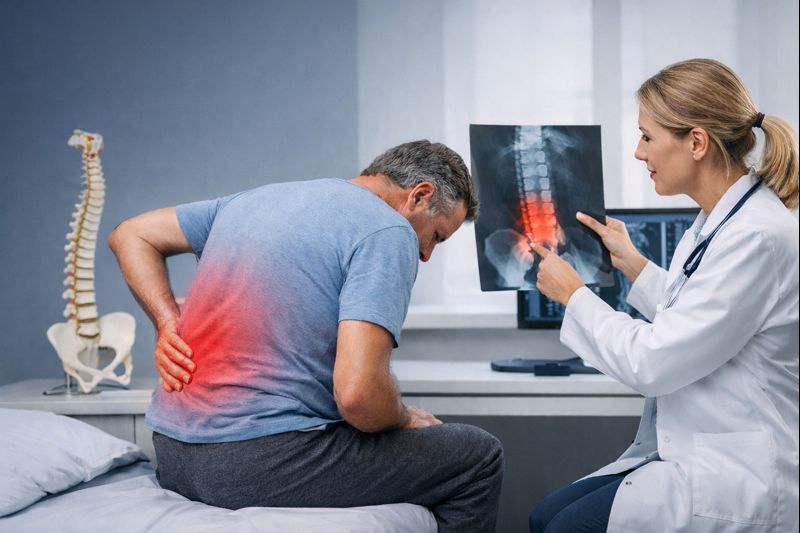
If you are searching for the Best Sciatica Treatment in San Antonio, TX, you are likely dealing with persistent lower back pain, leg pain, numbness, or tingling that affects your daily life. Sciatica is more than just occasional discomfort—it is a condition that can significantly limit mobility, productivity, and overall quality of life. At the Brain and Spine Institute in San Antonio, Texas, Dr Osama Ahmed offers advanced, evidence-based solutions to diagnose the root cause of sciatica and provide long-term relief rather than temporary fixes.

This blog is helping you understand sciatica, its causes, symptoms, and treatment options, while also showing why choosing a dedicated Sciatica Specialist in San Antonio is essential for adequate recovery.

Understanding Sciatica and Sciatic Nerve Pain

Sciatica occurs when the sciatic nerve—the longest nerve in the human body—becomes compressed or irritated. The sciatic nerve runs from the lower back through the hips and buttocks and down each leg. When this nerve is affected, pain may radiate from the lower back to the thigh, calf, or even the foot.

Common conditions that cause sciatica include:

  • Herniated or bulging discs
  • Spinal stenosis
  • Degenerative disc disease
  • Spondylolisthesis
  • Piriformis syndrome
  • Spinal injuries or trauma

Without proper Sciatic Nerve Pain Treatment in San Antonio, symptoms can worsen over time, leading to chronic pain and nerve damage.

Common Symptoms of Sciatica

Sciatica symptoms can vary from mild to severe and may affect one or both sides of the body. Typical signs include:

  • Sharp or burning pain in the lower back or leg
  • Pain that worsens with sitting or standing for long periods
  • Numbness or tingling in the leg or foot
  • Muscle weakness in the affected leg
  • Difficulty walking or maintaining balance

If these symptoms persist, seeking professional Sciatica Pain Treatment San Antonio, TX, is crucial to prevent long-term complications.

Why Early Sciatica Treatment Matters

Delaying treatment can keep the sciatic nerve compressed for extended periods, increasing inflammation and nerve sensitivity. Early diagnosis allows your specialist to address the underlying issue before it progresses.

Benefits of early treatment include:

  • Faster pain relief
  • Reduced need for invasive procedures
  • Improved mobility and function
  • Lower risk of chronic nerve damage

At Brain and Spine Institute, San Antonio, Texas, Dr Osama Ahmed focuses on personalised treatment plans that prioritise conservative care whenever possible.

Comprehensive Sciatica Pain Relief in San Antonio, TX

Effective sciatica pain relief in San Antonio, TX requires more than pain medication alone. Dr Osama Ahmed uses a multidisciplinary approach tailored to each patient’s condition, lifestyle, and symptom severity.

Advanced Diagnostic Evaluation

Accurate diagnosis is the foundation of successful treatment. Evaluations may include:

  • Detailed physical and neurological examinations
  • MRI or CT scans
  • X-rays to assess spinal alignment

This thorough process ensures the correct source of pain is identified before treatment begins.

Non-Surgical Sciatica Treatment Options

Many patients experience significant improvement through non-surgical treatments. These options are often recommended as first-line care.

Physical Therapy

Targeted exercises strengthen core muscles, improve flexibility, and reduce pressure on the sciatic nerve.

Medications

Anti-inflammatory drugs and muscle relaxants may be prescribed to manage pain and swelling.

Epidural Steroid Injections

These injections deliver medication directly to the affected area, reducing inflammation and providing longer-lasting relief.

Lifestyle and Postural Guidance

Simple changes in posture, ergonomics, and daily habits can dramatically reduce symptoms.

Surgical Solutions for Severe Sciatica

When conservative treatments fail, surgical intervention may be recommended. Dr Osama Ahmed specialises in advanced spinal procedures designed to relieve nerve compression while preserving spinal stability.

Standard surgical options include:

  • Microdiscectomy
  • Laminectomy
  • Minimally invasive spine surgery

These procedures aim to provide lasting Lower Back & Sciatica Pain Treatment San Antonio patients can rely on for long-term relief.

Why Choose Dr Osama Ahmed – Sciatica Specialist San Antonio

Choosing the right specialist can significantly improve recovery outcomes. Dr Osama Ahmed is recognised for his expertise in diagnosing and treating complex spinal and nerve conditions.

What Sets Dr Ahmed Apart

  • Patient-centred, personalised care
  • Expertise in both non-surgical and surgical treatments
  • Advanced diagnostic and treatment technology
  • Clear communication and patient education

At the Brain and Spine Institute in San Antonio, Texas, patients receive compassionate care backed by medical excellence.

Serving San Antonio and Surrounding Areas

Conveniently located at 12709 Toepperwein Rd, Suite 101, Live Oak, TX 78233, the Brain and Spine Institute serves patients across San Antonio and nearby communities. Easy access and a dedicated care team ensure a seamless treatment experience from consultation to recovery.

To schedule an appointment, call (210) 625-4733.

Frequently Asked Questions (FAQs)

What is the best sciatica treatment in San Antonio, TX?

The best treatment depends on the underlying cause. Options may include physical therapy, injections, or advanced surgical care under the guidance of a sciatica specialist.

How long does sciatica pain last?

Mild cases may resolve within weeks, while chronic sciatica may require ongoing treatment. Early intervention improves recovery time.

When should I see a sciatica specialist in San Antonio?

If pain lasts more than a few weeks, worsens, or is accompanied by weakness or numbness, consult a specialist immediately.

Is surgery always necessary for sciatica?

No. Many patients achieve relief through non-surgical treatments. Surgery is considered only when conservative options fail.

How can I book an appointment with Dr Osama Ahmed?

You can call (210) 625-4733 to schedule a consultation at the Brain and Spine Institute, San Antonio, Texas.

Living with sciatica does not have to be a long-term struggle. With expert care from Dr Osama Ahmed at the Brain and Spine Institute in San Antonio, Texas, patients can access the most effective Sciatic Nerve Pain Treatment San Antonio has to offer. Whether you need conservative care or advanced intervention, the right treatment plan can restore comfort, mobility, and confidence in your daily life.

Take the first step towards lasting relief—contact Brain and Spine Institute San Antonio today.

Categories
Neuro Surgeon Spine Specialist

Advanced Spinal Cord Stimulator Treatment in San Antonio, TX for Long-Term Pain Relief

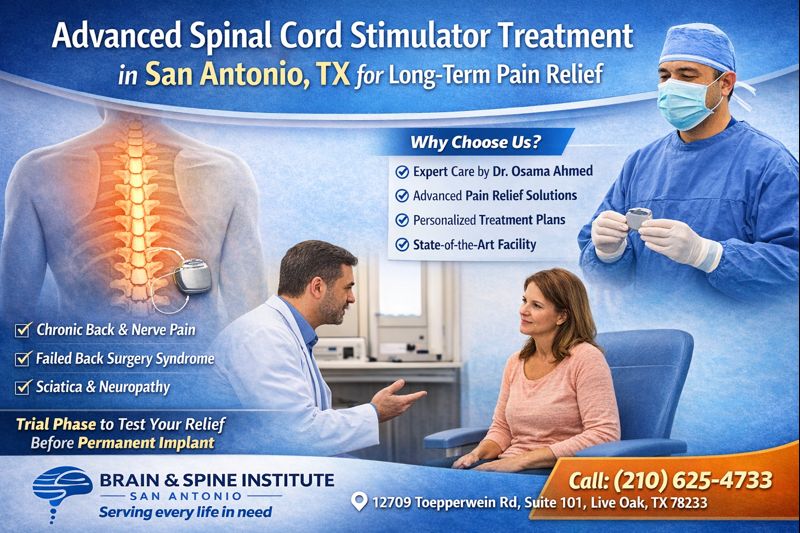
Chronic pain can severely impact your quality of life, primarily when conventional treatments no longer provide relief. If you are searching for a spinal cord stimulator in San Antonio, TX, or typing spinal cord stimulator near me San Antonio, TX into Google, you are likely looking for a proven, long-term solution that goes beyond medication and repeated injections. At Brain and Spine Institute, San Antonio, Texas, Dr. Osama Ahmed offers advanced spinal cord stimulation therapy designed to help patients regain control over their lives and reduce persistent pain effectively.

Understanding Chronic Pain and Why It Persists

Chronic pain is more than just discomfort—it is a complex neurological condition that continues even after an injury has healed. Many patients experience long-lasting pain due to conditions such as:

  • Failed back surgery syndrome
  • Degenerative disc disease
  • Chronic lower back pain
  • Sciatica and nerve damage
  • Complex regional pain syndrome (CRPS)

Pain signals travel from the affected nerves to the spinal cord and then to the brain. Over time, these signals can become overactive, making pain constant and difficult to manage with medication alone.

This is where spinal cord stimulation plays a crucial role in modern pain management.

What Is a Spinal Cord Stimulator?

A spinal cord stimulator is a small, implantable medical device that delivers mild electrical impulses to the spinal cord. These impulses interfere with pain signals before they reach the brain, effectively reducing the sensation of pain.

Unlike pain medications that only mask symptoms, spinal cord stimulation works at the source—interrupting abnormal nerve signals and providing consistent relief throughout the day.

How Does Spinal Cord Stimulation Work?

The spinal cord stimulator system consists of three main components:

  1. Thin wires (leads) are placed near the spinal cord
  2. A small pulse generator implanted under the skin
  3. A remote control allowing patients to adjust stimulation levels

Once activated, the device sends controlled electrical signals that modify how pain is perceived. Many patients report a significant reduction in pain intensity and improved mobility.

Who Is a Good Candidate for a Spinal Cord Stimulator?

Spinal cord stimulation is often recommended for patients who have not found relief from conservative treatments such as:

  • Physical therapy
  • Pain medications
  • Epidural steroid injections
  • Previous spine surgeries

You may be a suitable candidate if you:

  • Suffer from chronic back or leg pain
  • Want to reduce reliance on opioids
  • Have nerve-related pain that limits daily activities
  • Are not a candidate for additional surgery

At the Brain and Spine Institute, San Antonio, Texas, Dr. Osama Ahmed conducts a thorough evaluation to determine whether spinal cord stimulation is the right solution for your condition.

Spinal Cord Stimulator Trial: What to Expect

One of the significant advantages of spinal cord stimulation is the trial phase. Before permanent implantation, patients undergo a temporary trial to assess effectiveness.

Trial Phase Benefits:

  • Temporary leads are placed for several days
  • You experience real-world pain relief
  • No long-term commitment until results are confirmed

If the trial reduces pain by 50% or more, patients typically proceed with permanent implantation.

Permanent Spinal Cord Stimulator Implantation

Once the trial is successful, a minimally invasive outpatient procedure is scheduled. The permanent spinal cord stimulator is implanted under the skin, usually in the lower back or buttock area.

Benefits of Permanent Implantation:

  • Long-term pain control
  • Reduced need for medication
  • Improved mobility and sleep
  • Enhanced quality of life

Most patients return to light activities within a short recovery period.

Why Choose Brain and Spine Institute, San Antonio, Texas?

When searching for a spinal cord stimulator near me in San Antonio, TX, choosing the right specialist is essential. At Brain and Spine Institute, San Antonio, Texas, patients receive personalised, expert care led by Dr. Osama Ahmed, a trusted name in spine and neurological treatments.

What Sets Us Apart?

  • Advanced, evidence-based pain management solutions
  • Patient-centred treatment plans
  • State-of-the-art technology
  • Clear communication and education

Dr. Ahmed focuses not only on treating pain but also on helping patients understand their condition and regain long-term function.

Conditions Commonly Treated with Spinal Cord Stimulation

Spinal cord stimulators are highly effective for a range of chronic pain conditions, including:

  • Chronic lower back pain
  • Post-surgical spine pain
  • Nerve pain radiating to the legs
  • Peripheral neuropathy
  • Complex regional pain syndrome

Each treatment plan is customised to address the patient’s specific pain pattern and lifestyle needs.

Educational Benefits: Life After Spinal Cord Stimulation

Many patients worry about daily life after receiving a spinal cord stimulator. Modern devices are discreet, rechargeable, and adaptable.

Life Improvements Often Include:

  • Ability to walk or stand longer
  • Reduced pain flare-ups
  • Better sleep quality
  • Increased participation in daily activities

Patients can adjust stimulation levels using a remote control, ensuring comfort throughout the day.

Is Spinal Cord Stimulation Safe?

Spinal cord stimulation is a well-established and FDA-approved treatment. When performed by an experienced specialist like Dr. Osama Ahmed, risks are minimal and carefully managed.

Possible risks may include infection or lead movement, but these are rare and thoroughly discussed during consultation.

Location & Contact Information

Brain and Spine Institute San Antonio, Texas

???? Address: 12709 Toepperwein Rd, Suite 101, Live Oak, TX 78233

???? Phone: (210) 625-4733

If you are struggling with chronic pain and searching for lasting relief, schedule a consultation today.

Frequently Asked Questions (FAQs)

What is the success rate of a spinal cord stimulator?

Many patients experience 50–70% pain reduction, especially after a successful trial phase.

How long does a spinal cord stimulator last?

Most devices last 7–10 years, depending on usage and battery type.

Is the spinal cord stimulator trial painful?

The trial is minimally invasive and typically well tolerated with local anaesthesia.

Will I still need pain medication?

Many patients significantly reduce or eliminate pain medications after implantation.

How do I know if I qualify for spinal cord stimulation?

A consultation with Dr. Osama Ahmed will determine eligibility based on your medical history and pain condition.

Where can I find a spinal cord stimulator near me in San Antonio, TX?

Brain and Spine Institute, San Antonio, Texas, offers comprehensive spinal cord stimulation services in Live Oak, TX.